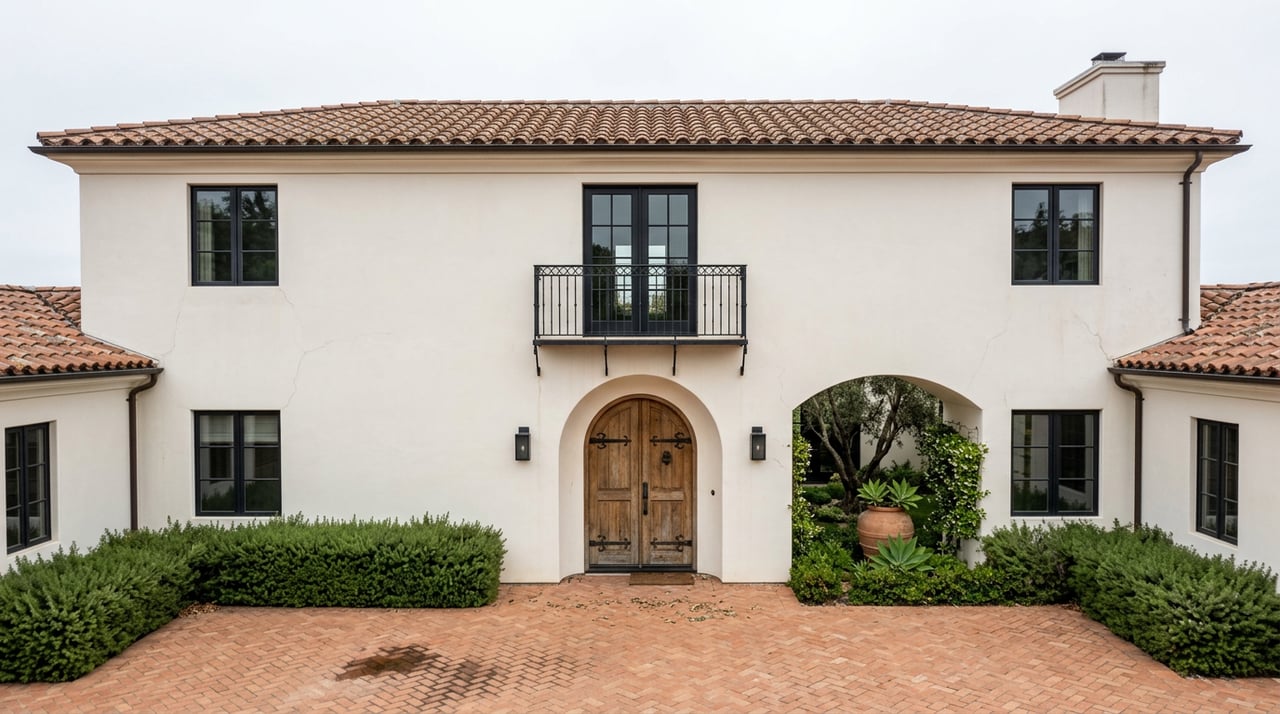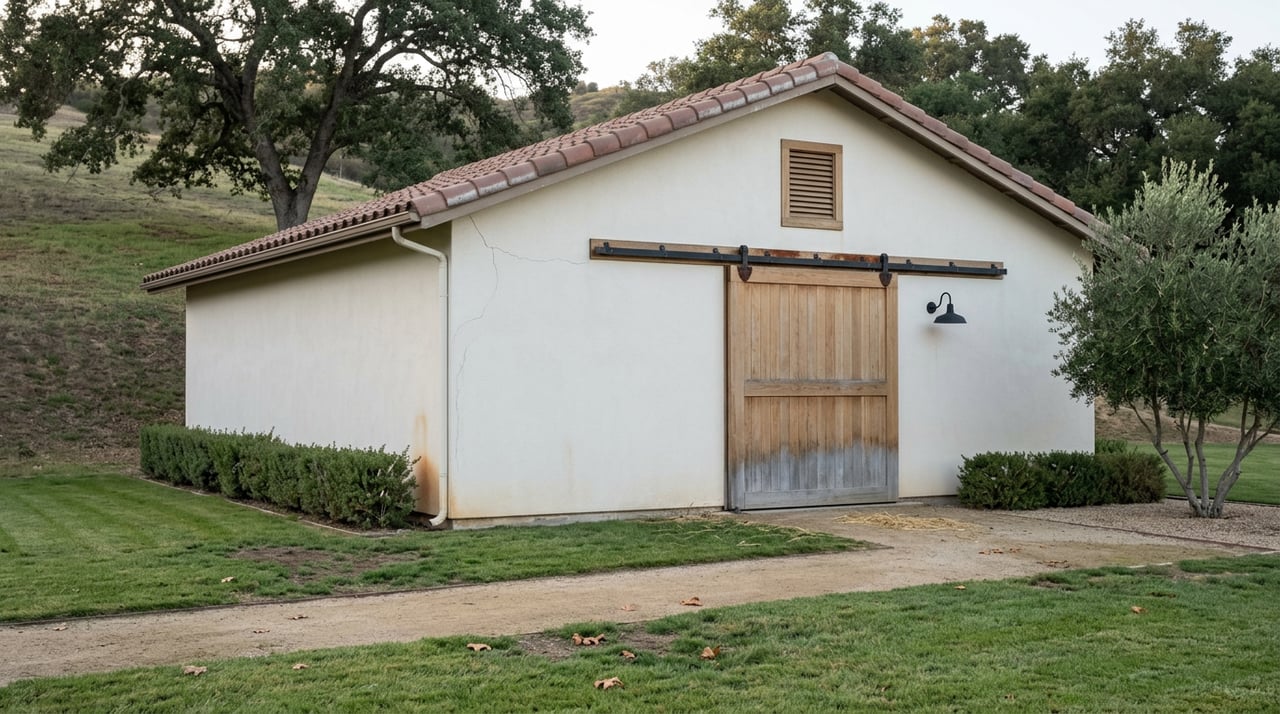
If you own a horse property in Rolling Hills Estates and you're deciding whether to lease it out, here is the question actually worth asking before you write the listing: does the right to keep a horse on this specific lot belong to the house, or does it belong to a covenant that only some owners happen to have?
Most owners never ask, because the marketing answer is so loud. Rolling Hills Estates built its identity around the idea that horses belong here. The city maintains more than 20 miles of bridle trails for exactly that reason, and Dapplegray Park, at the northwest corner of Palos Verdes Drive North and Palos Verdes Drive East, gives riders a riding ring, a lunging ring, and a dressage area that tie directly into that trail network. None of that answers whether your tenant can legally keep a horse on your parcel. That answer lives somewhere entirely different, in paperwork that has nothing to do with trail mileage.
Twenty Miles of Trail Doesn't Ask Whose Lot You're On
City infrastructure is public. A restrictive covenant is private, and it attaches to the deed, not to whoever happens to be living in the house that week. That distinction rarely matters to an owner who has kept horses on a property for years without a second thought. It matters enormously to a tenant who signs a lease assuming the word "equestrian" in the listing covers them.
Three separate systems govern that word, and none of them automatically agree with each other:
- Zoning sets what a parcel is permitted to hold in principle.
- The recorded CC&R sets what this specific HOA actually allows on this specific lot.
- The permit history sets whether what's already standing, a barn, an arena, a run-in shed, was ever approved to exist in the first place.
A listing that says "horse-keeping permitted" is only true if all three line up. In practice, they're rarely checked together before a rental listing goes live.
Not Every Lot in a Horse Town Allows a Horse
Here's the finding that catches most owners off guard: some HOA covenants on the peninsula prohibit livestock outright, even inside a city built specifically to preserve an equestrian lifestyle. Zoning, HOA covenants, and permits together determine what an owner can build and how many animals a parcel can keep, and recorded CC&Rs can be stricter than city code, occasionally ruling out horse-keeping on a lot that sits two doors down from one where it's fully allowed.
That inconsistency isn't a planning failure. It's the residue of how the city actually formed. Rolling Hills Estates incorporated in 1957 specifically to protect the area's rural atmosphere and equestrian character, a founding motive documented in the Palos Verdes Library District's historical archive. That protection was negotiated neighborhood by neighborhood over decades, which is exactly why covenant language still isn't uniform across the city's roughly 30 neighborhood associations today. The first riding academy on the peninsula opened in 1925 on the site of what is now Palos Verdes Stables, and by 1929 the original Palos Verdes Project had already built fourteen miles of bridle trail, according to the same archive. Long-time residents still tell the story of tying a horse to the hitching post at Malaga Cove Plaza after a ride down from the hills, a habit that says something about how deep this culture runs and also about how old, and how locally negotiated, the underlying rules actually are.
The trail network is close to a century old. The covenant governing your specific lot might be twenty years old, or two.
What a Landlord Actually Has to Verify Before Advertising Horse-Keeping
Before a listing promises a tenant they can keep a horse on-site, three things need confirming, in this order:
- Pull the recorded CC&R for the specific lot, not the neighborhood in general, and confirm that livestock rights survive a change of occupant rather than terminating with the original owner.
- Request the permit file for any barn, arena, or run-in structure from the city's building records, so an unpermitted addition doesn't become the landlord's liability mid-lease.
- Confirm what trail access actually requires for someone who isn't the original owner. Access shifts by jurisdiction. The neighboring gated city of Rolling Hills requires non-resident riders to carry an RHCA-issued trail badge and check in at a gate before using its bridle network, so a tenant who assumes citywide riding privileges may find those privileges stop at a boundary they never knew existed.
Skipping any one of these steps doesn't just create friction later. It creates exposure that sits with the owner for the length of the tenancy, not a single afternoon at closing.
Why This Risk Sits Differently in a Lease Than in a Sale
A buyer runs independent due diligence through escrow and title, and once a sale closes, most of that risk transfers with the deed. A landlord doesn't get that clean handoff. If a covenant restriction, or an unpermitted structure, surfaces after a tenant has already moved a horse onto the property, the owner is the one holding a lease they can't fully honor and a tenant with a legitimate grievance. That's a materially different risk profile than the one most owners picture when they think about renting out a house.
This is also where the standard equestrian-lifestyle pitch, trails, boarding centers, riding clubs, stops being useful. Those amenities describe why someone wants to live here. They say nothing about whether a specific parcel's paperwork actually lines up with the lifestyle the listing promises.
A Quick FAQ for Owners Weighing This Decision
Does every property in Rolling Hills Estates allow horse-keeping? No. Zoning sets the outer limit, but individual HOA covenants can be more restrictive than city code, and some prohibit livestock outright even within a city built around an equestrian identity. Check the specific lot's recorded CC&R before assuming otherwise.
What if there's already a barn or arena on the property? Confirm it was permitted. A structure that was never approved becomes the owner's liability once a tenant relies on it, not a historical curiosity that quietly disappears with time.
Can a tenant ride outside the immediate neighborhood? Sometimes, but not automatically. Trail access in adjoining communities, including the neighboring gated city of Rolling Hills, can require its own badge or check-in process separate from anything written into the lease.
If you're weighing whether to lease or sell a horse property in Rolling Hills Estates, the questions above are the exact due diligence Jambi Property Management runs before a listing ever goes live, covenant by covenant, permit by permit, so the tenant who signs the lease and the paperwork on the parcel actually agree with each other. Request a Free Rental Analysis and we'll walk through it with you before anyone sees the listing.