Key Takeaways
- Understanding the difference between normal wear and tear and excessive damage helps you make more consistent security deposit and maintenance decisions.
- Consider factors such as an item's age, expected lifespan, and the length of the tenancy before deciding whether a repair is part of normal property ownership.
- Thorough move-in and move-out inspections with photos and written documentation make it easier to evaluate property condition over time.
- Clear lease terms, regular property inspections, and organized records can help reduce disputes and support informed property management decisions.
Every rental property changes over time. Paint fades, flooring shows signs of use, and appliances eventually begin to look older. That is simply part of owning an investment property. The real question is knowing when those changes are considered normal and when they become damage a tenant may be responsible for.
Understanding the difference is one of the most important skills a landlord can develop. It affects security deposit decisions, maintenance planning, and how smoothly the end of a lease goes. It also helps keep expectations clear for everyone involved.
It is common for landlords and tenants to view the same issue differently. A landlord may see costly repairs, while a tenant may see ordinary use. Knowing how normal wear and tear is generally defined allows you to make fair, well-supported decisions based on the condition of the property rather than emotion.
What Is Normal Wear And Tear?
Normal wear and tear refers to the gradual deterioration that naturally occurs when someone lives in a property. Even responsible tenants leave signs that a home has been occupied, and those signs are generally expected.
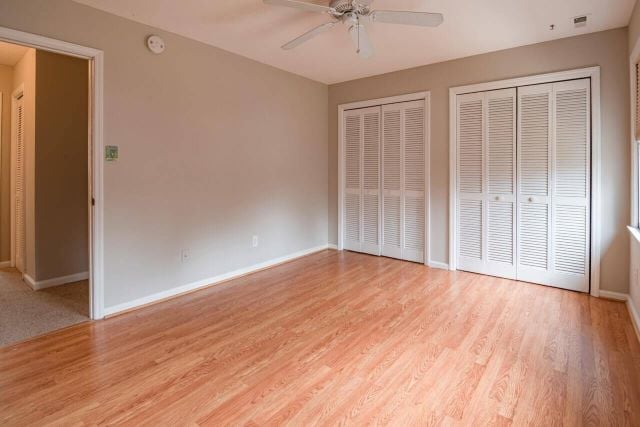
Common examples include:
- Minor scuff marks on walls.
- Small nail holes from hanging pictures.
- Faded paint from sunlight.
- Carpet showing wear in frequently used areas.
- Light scratches on flooring.
- Loose cabinet handles or door hardware.
- Aging appliances that function normally but show cosmetic wear.
- Blinds or window coverings showing regular use.
These conditions develop over time through everyday living. In most cases, repairing or replacing these items is considered part of the landlord's ongoing maintenance responsibilities. The length of the tenancy also matters. A home occupied for several years will naturally show more wear than one rented for only a few months.
What Counts As Excessive Damage?
Excessive damage goes beyond normal aging. It results from neglect, misuse, intentional actions, or unauthorized alterations that leave the property in worse condition than reasonable everyday use would create.
Examples may include:
- Large holes in drywall.
- Broken doors, windows, or cabinets.
- Burn marks on flooring or countertops.
- Pet damage beyond ordinary wear.
- Missing fixtures or appliances.
- Water damage caused by unreported plumbing issues.
- Broken appliances resulting from misuse.
- Unauthorized painting or remodeling.
Unlike normal wear and tear, these repairs are not simply the result of time passing. They often require additional labor and expense that could potentially become the tenant's responsibility, depending on the lease agreement and applicable laws.
Factors To Consider Before Making A Decision
Every rental property is different, and no two situations are exactly alike. Before deciding whether something is normal wear or excessive damage, it helps to look at the full picture.
The Age Of The Item
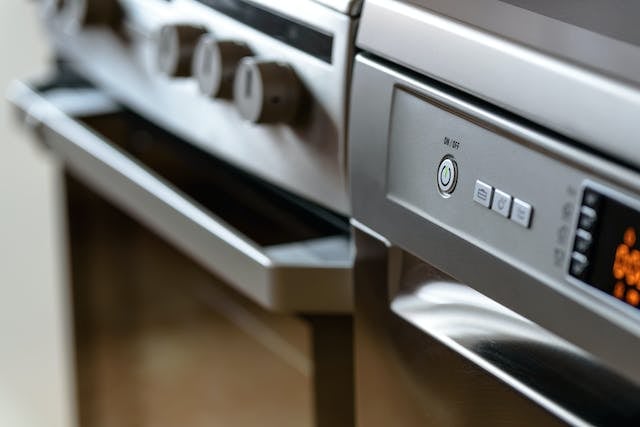
Nothing lasts forever. Carpet, flooring, paint, appliances, and fixtures all have expected lifespans. A fifteen-year-old carpet showing wear should not be judged the same way as one installed last year.
Length Of The Tenancy
A tenant who has lived in a property for several years will naturally leave more signs of occupancy than someone who stayed for a single lease term.
Material Quality
Higher-quality materials often last longer, while lower-grade finishes may show wear more quickly. Understanding what was originally installed helps create realistic expectations.
Overall Property Condition
Instead of focusing on one isolated issue, consider how the home has been maintained overall. Looking at the property as a whole usually provides better context than evaluating a single mark or repair.
How To Reduce Excessive Damage
While normal wear cannot be avoided, landlords can take practical steps to reduce the likelihood of more significant damage.
Start With A Clear Lease Agreement
A detailed lease sets expectations from the beginning. When tenants understand maintenance responsibilities, reporting requirements, and property rules, there is much less room for confusion later.
Screen Applicants Carefully
A thorough screening process helps you evaluate rental history, references, and prior experiences with previous landlords. Looking at the full picture allows you to make informed leasing decisions.
Complete Move-In And Move-Out Inspections
Detailed inspections create an accurate record of the property's condition before and after occupancy. Photos, written notes, and signed inspection reports provide valuable documentation if questions arise later.
Perform Routine Property Inspections
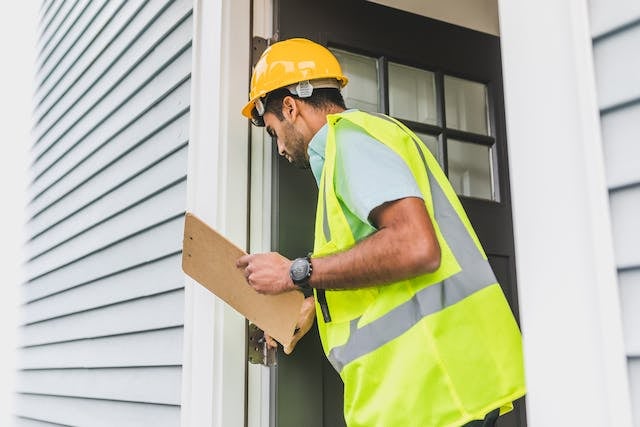
Periodic inspections allow you to identify maintenance needs early while ensuring the property continues to be cared for appropriately. Small issues are often much easier to address before they become larger repairs.
Keep Good Records
Maintain organized records of inspections, maintenance requests, repair invoices, and communication with tenants. Good documentation supports consistent decisions and creates a clear history of the property's condition over time.
Communication Makes A Difference
Many disagreements over property condition can be reduced through simple communication. When tenants know how to report maintenance concerns promptly and understand what is expected during the tenancy, everyone benefits.
Likewise, landlords who document inspections, explain security deposit deductions clearly, and remain consistent from one tenancy to the next are often in a much stronger position if questions arise. Treating every property the same way also creates a fair process that protects your investment while respecting your residents.
Conclusion
Knowing what qualifies as normal wear and tear helps landlords make fair decisions, budget for routine maintenance, and protect the long-term value of their investment properties. Every rental home will naturally age, but understanding when ordinary use becomes excessive damage allows you to respond with confidence and consistency.
If you would like experienced guidance on inspections, maintenance coordination, and protecting your rental investment, Jambi Property Management is here to help. Contact our team today to learn how professional property management can help you care for your property while keeping your investment performing at its best.
Frequently Asked Questions
Does California Law Define Normal Wear and Tear for Rental Properties?
California law does not provide a detailed list of what qualifies as normal wear and tear, but it generally recognizes that rental properties naturally deteriorate through ordinary use over time. Landlords typically need to evaluate each situation based on the property's condition, the age of the affected item, and whether the issue resulted from everyday living or avoidable damage.
Because every rental is different, consistent documentation and reasonable judgment are important when determining responsibility for repairs or security deposit deductions. Landlords should also remain familiar with current California security deposit requirements before making any deductions.
How Can Landlords Document a Property's Condition Before a Tenant Moves In?
One of the most effective approaches is completing a detailed move-in inspection with written notes and time-stamped photos or videos of every room, appliance, fixture, and major surface. Having both the landlord and resident review and acknowledge the property's condition creates a shared point of reference for the future.
Repeating the same process at move-out allows for a much more accurate comparison. Keeping inspection reports, maintenance records, and repair invoices together also provides a complete history that can support consistent property management decisions.
Can Landlords Charge Tenants for Replacing Older Items?
It depends on the condition and remaining useful life of the item being replaced. If flooring, paint, appliances, or other materials have already reached the end of their expected lifespan, replacement costs may be considered part of normal ownership expenses rather than tenant responsibility.
However, if an item still had substantial useful life remaining and was damaged beyond ordinary use, a landlord may be able to recover an appropriate portion of the repair or replacement cost, subject to applicable laws. Evaluating each situation individually helps support fair and consistent decisions.
Should Landlords Repair Normal Wear and Tear Between Tenants?
In many cases, yes. Routine maintenance and updating items that naturally wear over time are generally considered part of owning and operating a rental property. Refreshing paint when appropriate, replacing worn flooring, repairing loose hardware, and servicing aging fixtures can help maintain the property's appeal and preserve its long-term value.
Planning for these expected expenses as part of an annual maintenance budget can also make future turnover periods more predictable while helping present the property in good condition for prospective residents.
How Can Professional Property Management Help Reduce Disputes Over Property Condition?
Professional property management companies often use standardized inspection procedures, organized documentation, and consistent communication throughout the lease term. Detailed move-in and move-out reports, maintenance tracking, and clear records of repairs can provide valuable context when evaluating property condition at the end of a tenancy.
Companies such as Jambi Property Management can also help coordinate maintenance, oversee inspections, and apply consistent processes that support informed decisions while helping rental property owners protect their long-term investment.