By Jambi Property Management
If you're a parent, grandparent, or landlord with families as tenants, child safety at home is more than a checklist—it's a priority. At Jambi Property Management, we regularly work with families here in Manhattan Beach who want peace of mind that their living space is secure. Whether you're renting out a home or preparing your own for little ones, we’re here to help you make smart, simple choices that reduce risk and improve safety.
Key Takeaways
- Start with high-risk areas like kitchens and stairways
- Focus on furniture, fixtures, and flooring choices
- Ongoing maintenance is critical for long-term safety
- Safety improvements can boost home appeal to family renters
Focus on the Most Hazard-Prone Areas
Certain areas in a home present more risk to children, especially toddlers and young kids. We always start our safety evaluations by assessing these specific zones.
Areas That Deserve Extra Attention
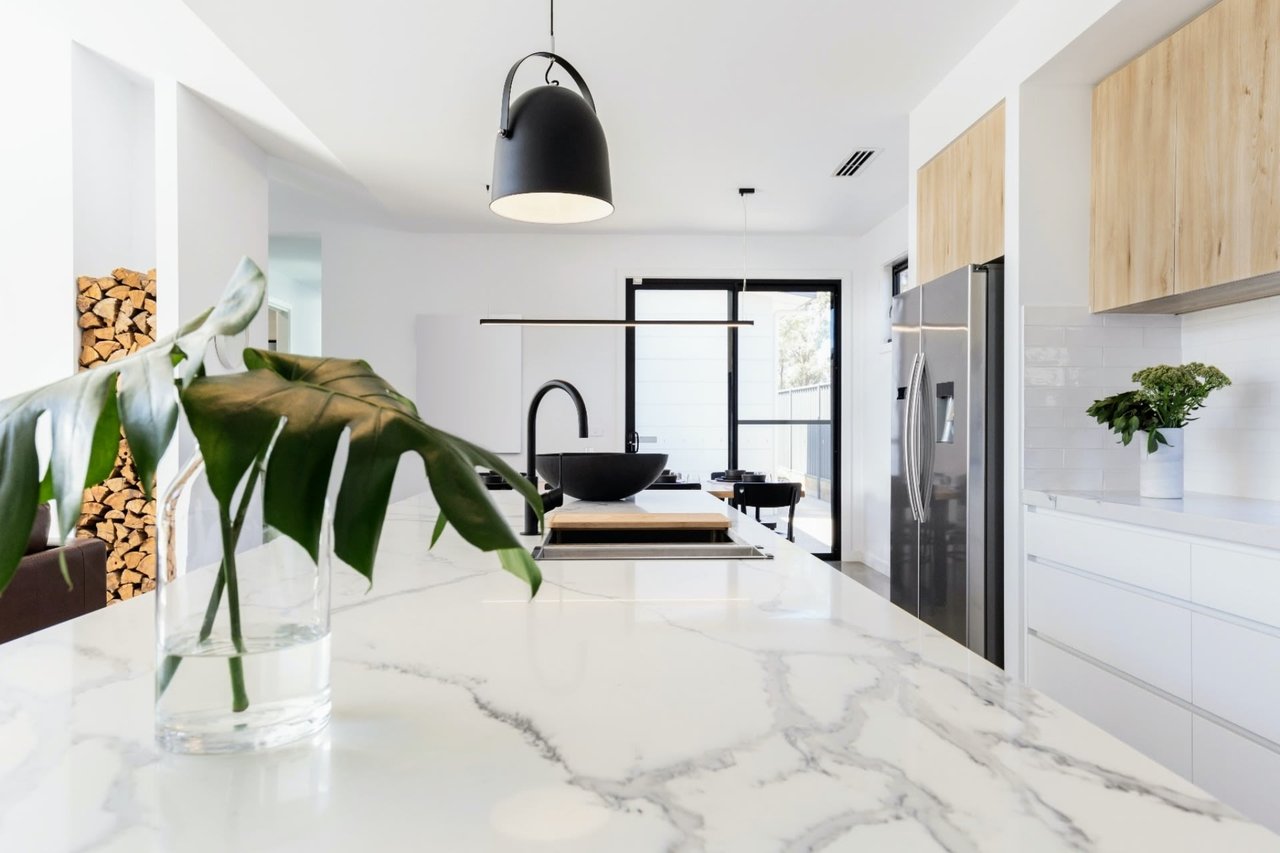
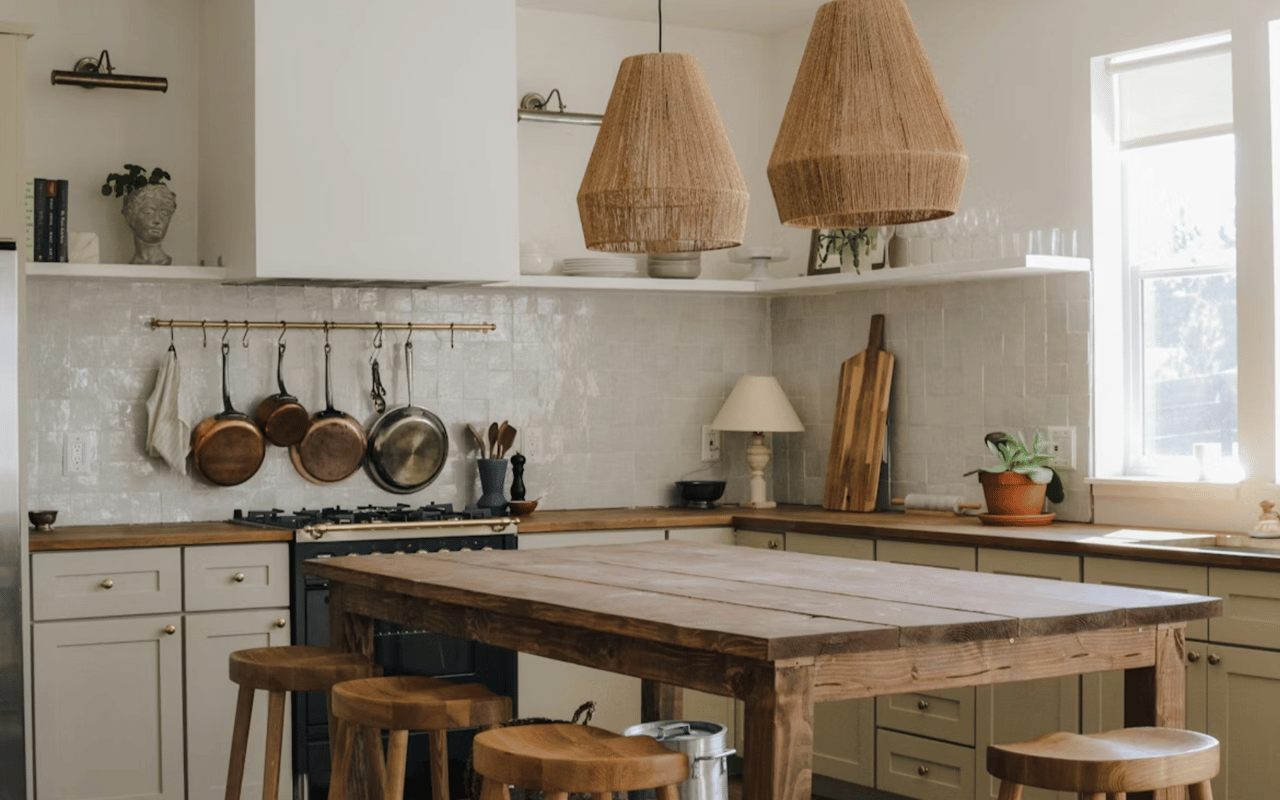
- Kitchens: Secure cleaning supplies, use stove knob covers, and install cabinet locks
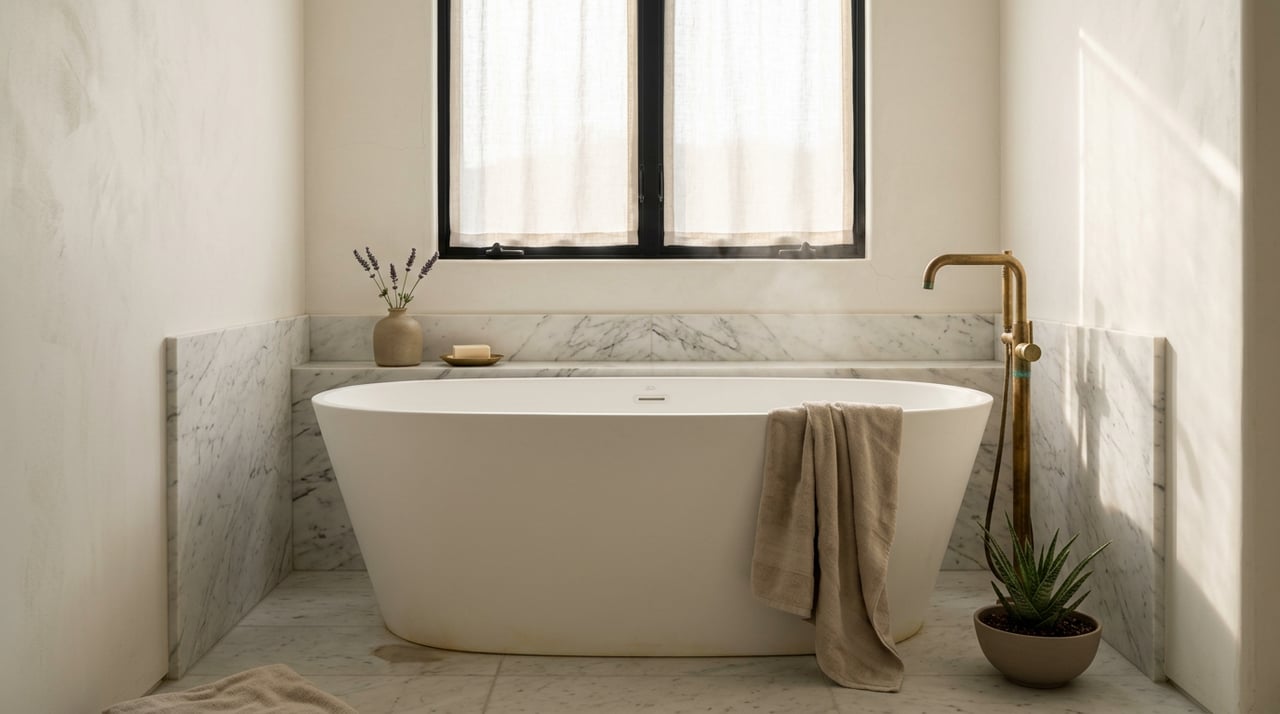
- Bathrooms: Anti-slip mats, toilet locks, and covered outlets help prevent accidents
- Stairways: Install safety gates at both the top and bottom
- Windows: Window guards and stops limit how far windows can open
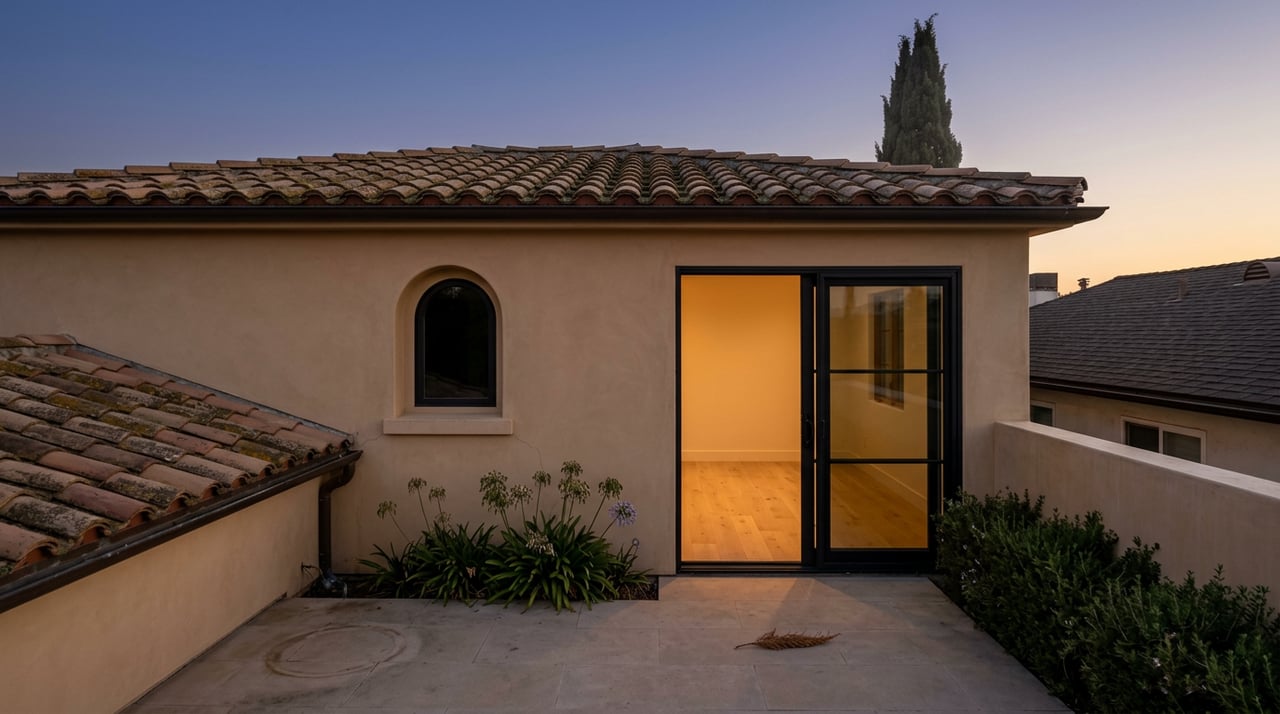
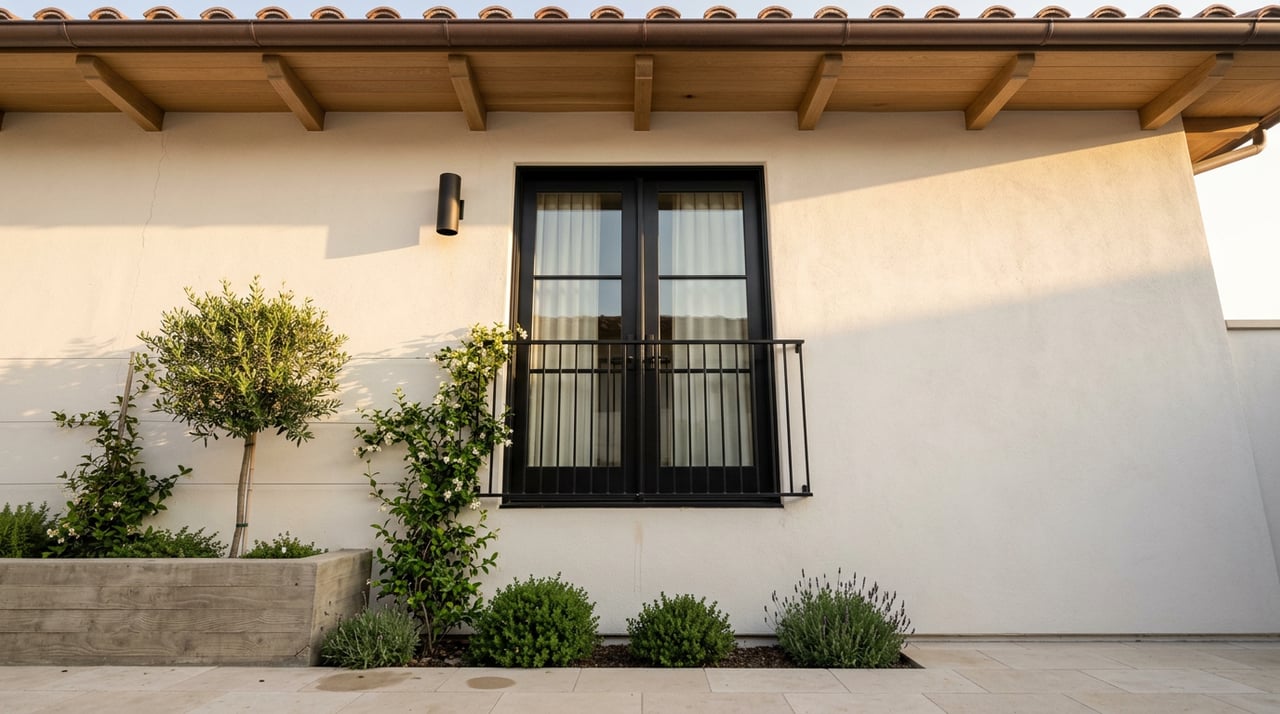
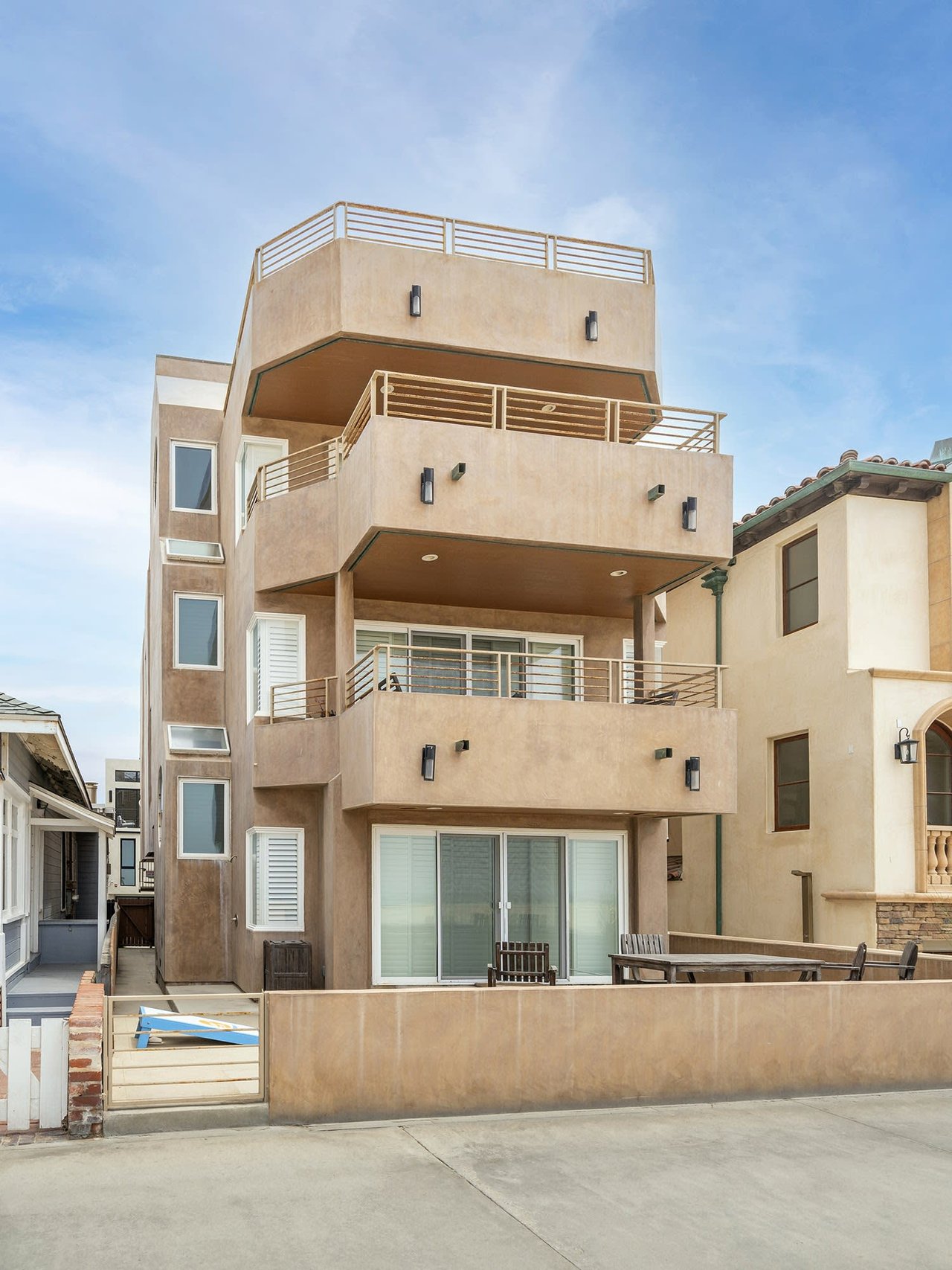
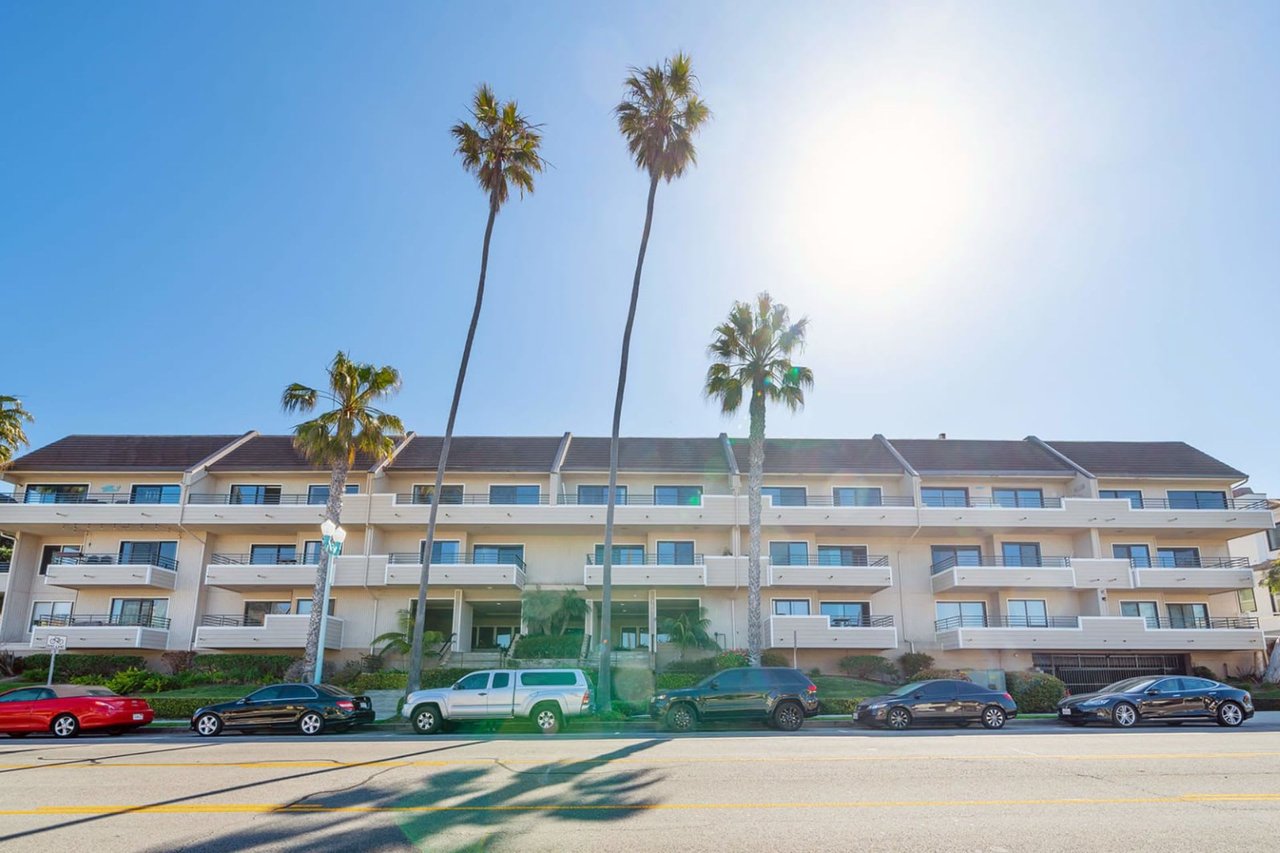
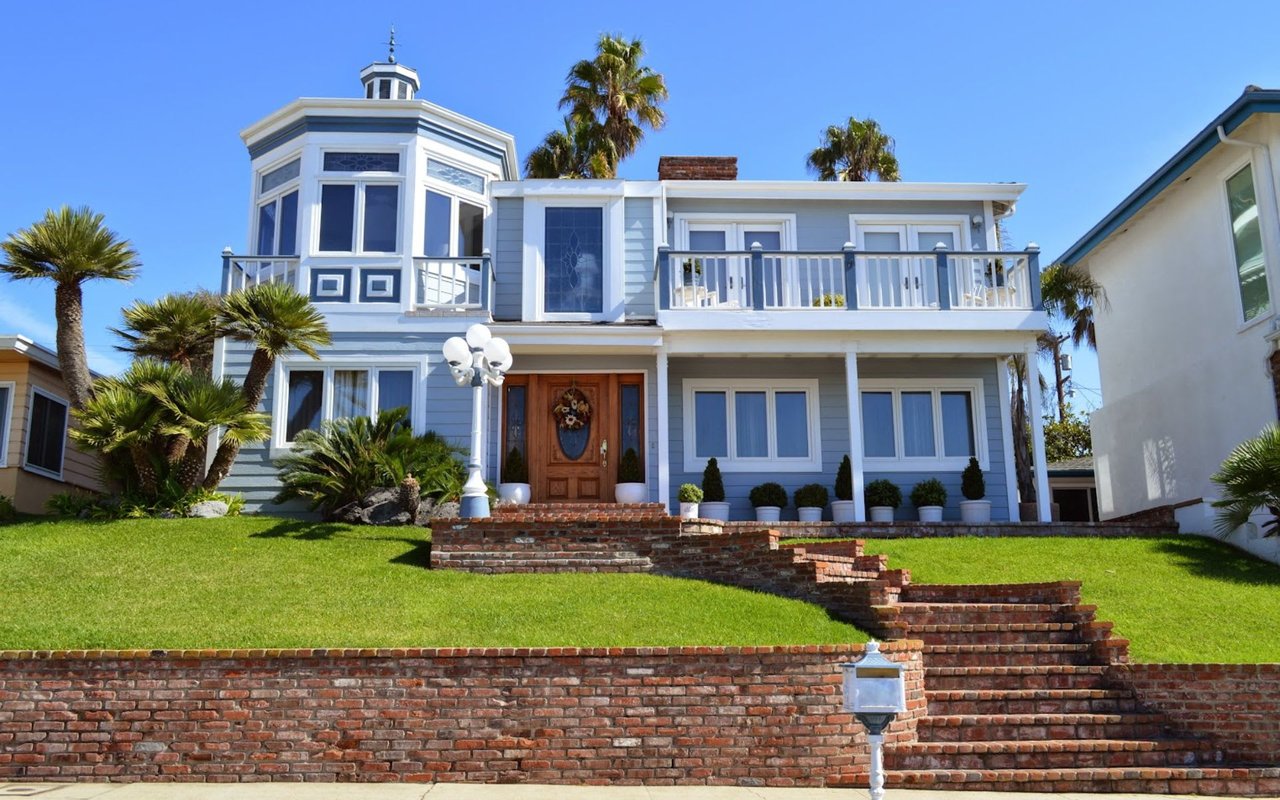
- Balconies and Decks: Ensure railings are secure and gaps aren’t wide enough for a child to slip through
Furniture and Fixtures Matter
Sometimes, the most overlooked hazards are right in the furniture. From sharp edges to tip-prone bookcases, what you furnish your home with can make a big difference.
Smart Adjustments to Lower Risk
- Anchor Furniture: Secure heavy pieces like dressers and shelves to the wall
- Rounded Edges: Choose furniture with soft edges to minimize bumps and bruises
- Cordless Blinds: Eliminate dangling cords that pose a strangulation risk
- Outlet Covers: Use sliding or tamper-resistant plugs throughout the home
Maintain a Safe Environment Long-Term
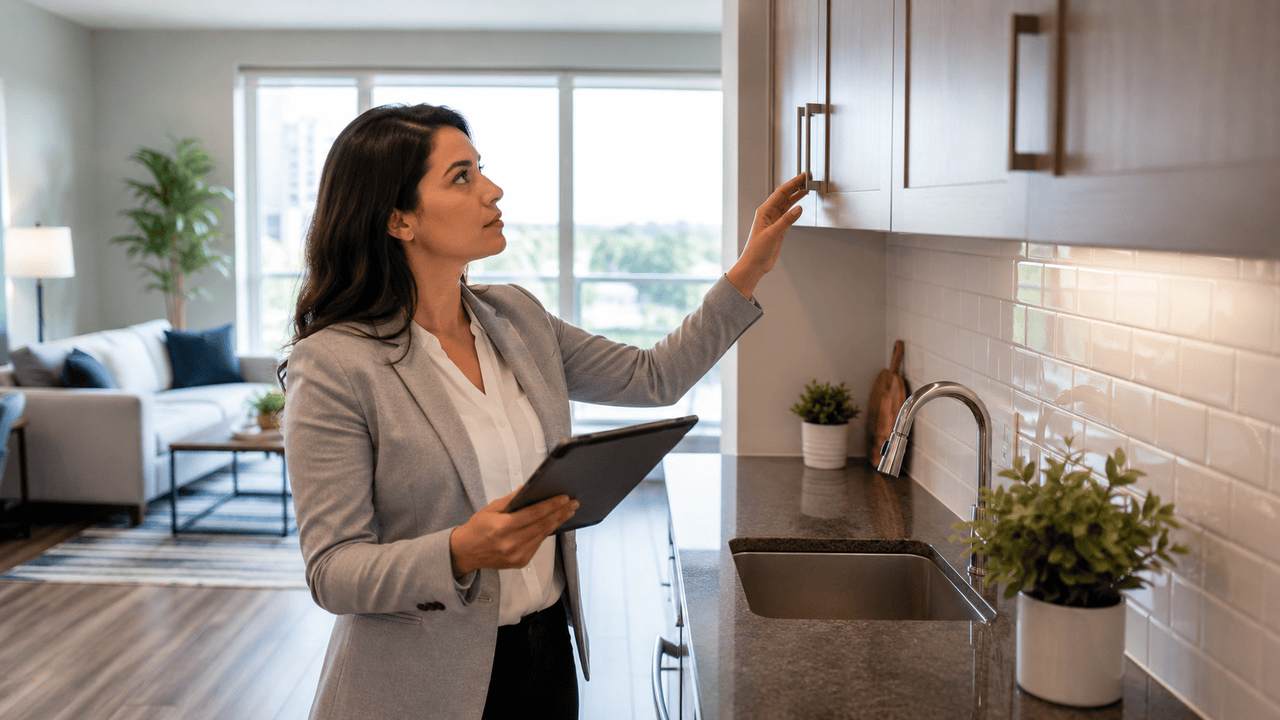
Childproofing isn’t a one-and-done job. We always remind property owners and residents that regular inspections are essential to keep up with a growing child’s changing needs.
Routine Checks That Keep Kids Safer
- Test Smoke and Carbon Monoxide Detectors Monthly
- Check for Loose Railings, Fixtures, or Floorboards
- Replace Worn Rugs or Mats That Could Cause Slips
- Keep Emergency Numbers Clearly Posted and Easily Accessible
How Safety Affects Rental Appeal
For investment property owners, creating a family-friendly rental isn’t just about doing the right thing—it can also improve your marketability. Families in Manhattan Beach are drawn to homes that are not only stylish but thoughtfully equipped for safety.
Features That Attract Renters With Children
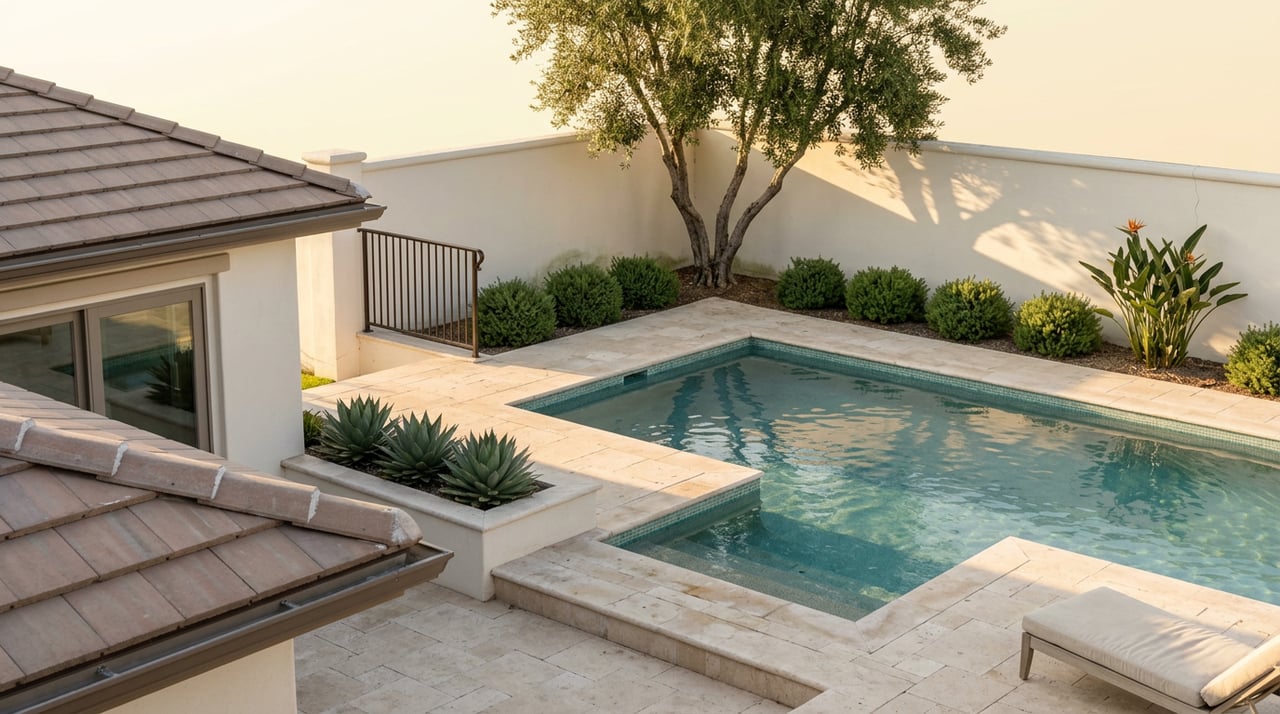
- Fully Fenced Yards
- Hard Surface Flooring That’s Easy to Clean
- Updated Safety Features and Locks
- Smart Thermostats with Temperature Limits
FAQs
What’s the best age to start childproofing a home?
As soon as a baby becomes mobile. It’s ideal to prepare your space before crawling begins.
Do landlords have to childproof rental homes?
Not legally in most cases, but adding key safety features can increase rental appeal and tenant satisfaction.
How often should safety features be checked?
We recommend a full inspection every 3–6 months or after any tenant turnover.
Contact Us Today
Whether you’re living in your home or managing a rental, creating a safe space for children is one of the smartest investments you can make. Families want to know they’re protected—and you can give them that confidence.
Reach out to us at Jambi Property Management, and we’ll help you assess your property and suggest child safety upgrades that make sense for your goals. Let’s work together to make your home as safe, functional, and family-friendly as it can be.
Reach out to us at Jambi Property Management, and we’ll help you assess your property and suggest child safety upgrades that make sense for your goals. Let’s work together to make your home as safe, functional, and family-friendly as it can be.