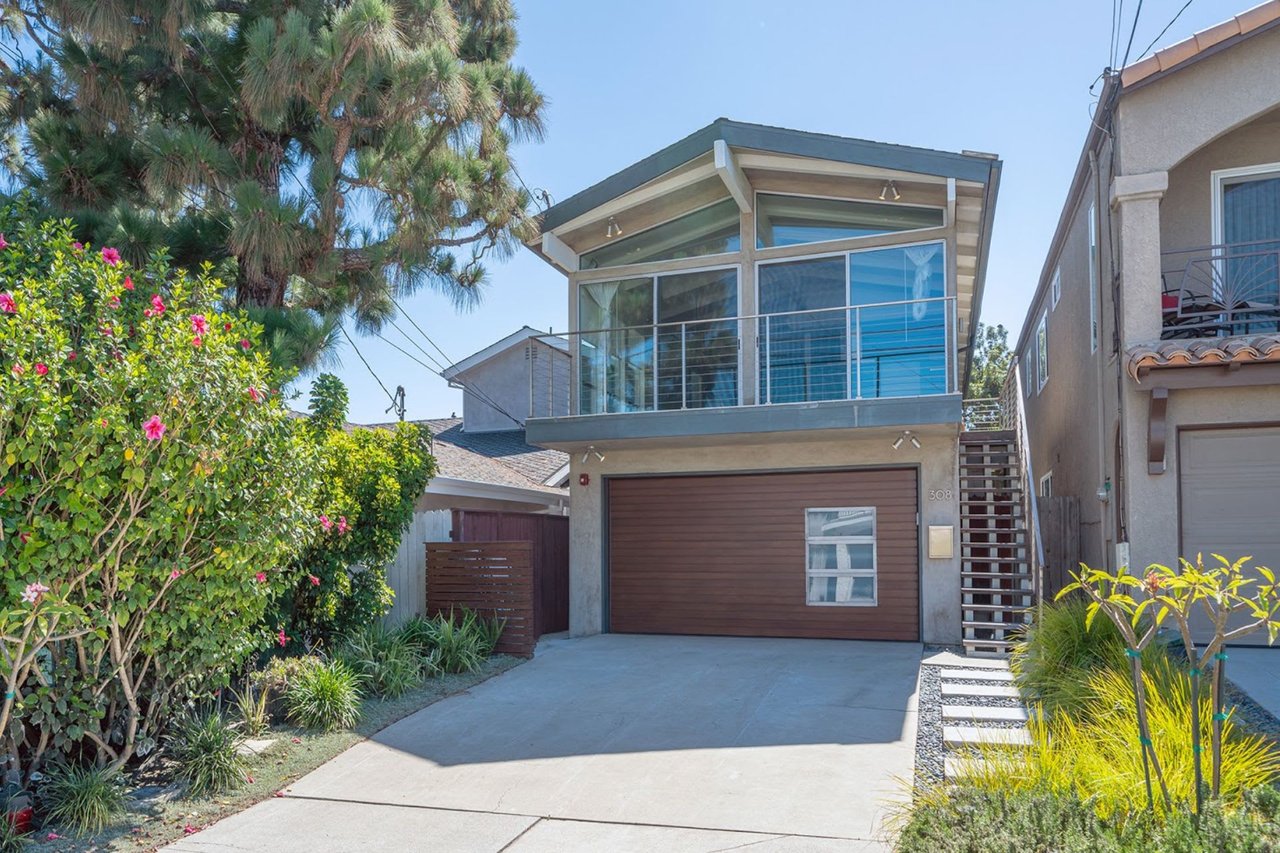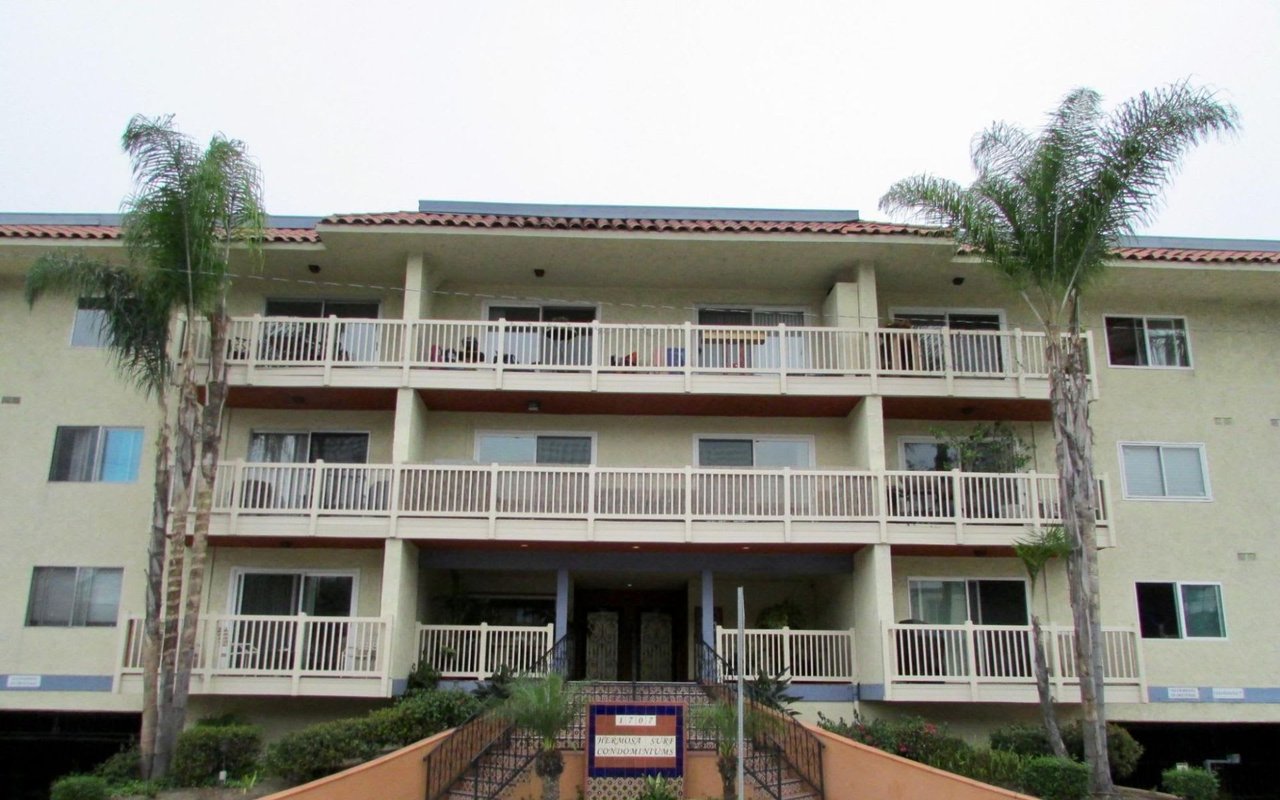
Owning rental property in Los Angeles comes with real opportunity, but it also comes with plenty of risk. Strong rental income and long term appreciation can make real estate a powerful investment, yet even experienced landlords can lose money through avoidable decisions.
At Jambi Property Management, one of the most common patterns we see is that profitability usually is not lost through one major event. More often, it slips away through small mistakes that stack up over time. A poor purchase decision, weak tenant screening, delayed repairs, or a slow turnover process can all chip away at returns.
For property owners and real estate investors, the key is not just owning a rental. It is operating like a business.
The Real Cost of Small Landlord Mistakes
A lot of rental owners focus heavily on the purchase price, monthly rent, and market appreciation. Those numbers matter, but day to day execution matters just as much.
Cash flow can quickly shrink when a property has frequent repairs, inconsistent rent collection, extended vacancy, or unnecessary turnover costs. Even one weak process can create a chain reaction that impacts revenue, tenant satisfaction, and the long term condition of the asset.
That is why smart landlords pay attention to the full picture, from acquisition to leasing to ongoing operations. For owners thinking through the basics of becoming a landlord, renting out homes successfully starts with having the right systems in place from day one.
Mistake #1: Buying the Wrong Rental Property

Not every property is a good investment just because it is available in a desirable market.
Look Beyond the Purchase Price
A rental needs to make sense as an income producing asset. That means evaluating expected rent, maintenance needs, neighborhood demand, property age, and future capital expenses. A property with charm but outdated systems may look like a good deal upfront, yet become far more expensive over time.
Owners should also look at broader market conditions, rental trends, and housing demand before making a purchase. Reviewing housing market research and rental trends can help investors understand whether a market supports their income goals.
Think Like an Investor, Not Just a Buyer
The wrong property often creates problems that never fully go away. Higher maintenance, longer vacancies, and lower quality tenant demand can follow a poor purchase for years. A better approach is to choose properties based on long term performance, not emotion.
For investors exploring coastal opportunities, buying an investment property in Manhattan Beach requires exactly this kind of practical analysis.
Mistake #2: Skipping Tenant Screening
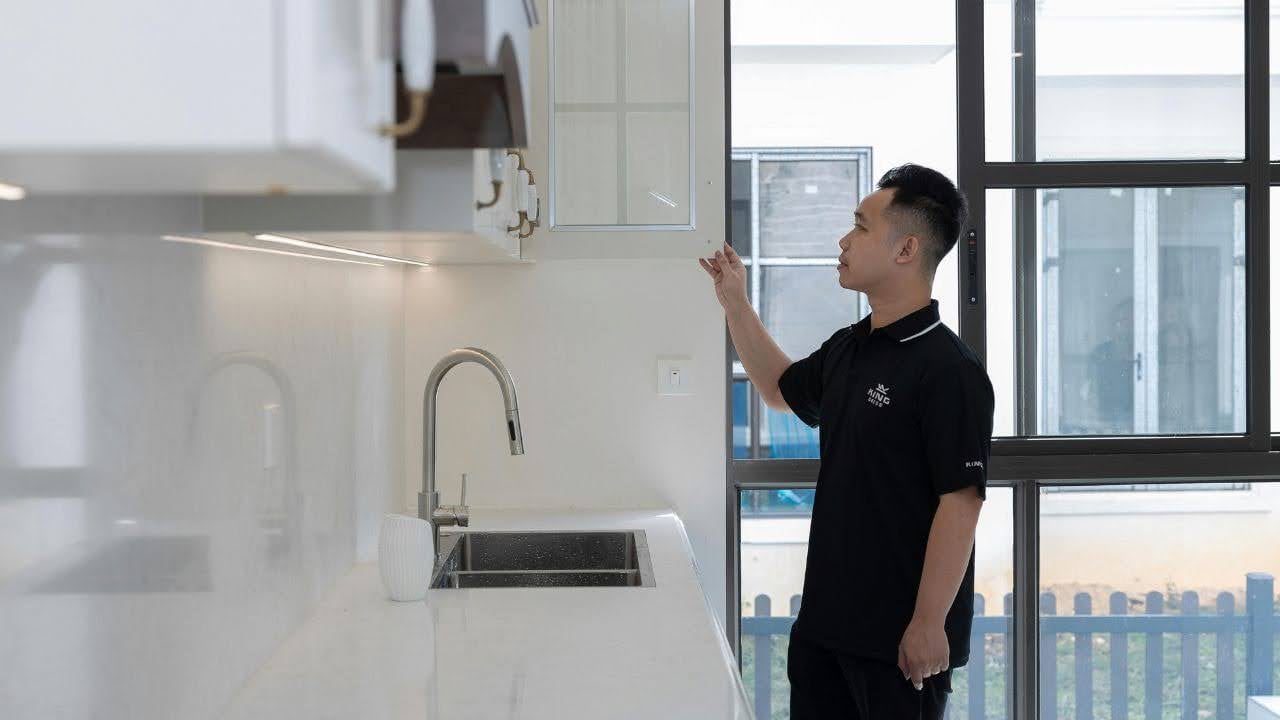
Tenant screening is one of the most important parts of protecting rental income.
A Bad Placement Gets Expensive Fast
The wrong tenant can lead to late payments, lease violations, property damage, legal disputes, and costly turnover. Even one poor placement can wipe out months of profit.
A strong screening process should include income verification, credit review, rental history, background checks where legally permitted, and careful review of the full application. Consistency matters. Screening should be thorough, fair, and compliant.
Compliance Matters Too
Landlords also need to understand fair housing obligations and apply screening standards consistently. Fair housing guidance for rental housing providers can be a useful starting point for understanding compliance expectations.
Good screening is not about being overly strict. It is about reducing risk and improving the odds of a stable tenancy.
Mistake #3: Neglecting Routine Inspections
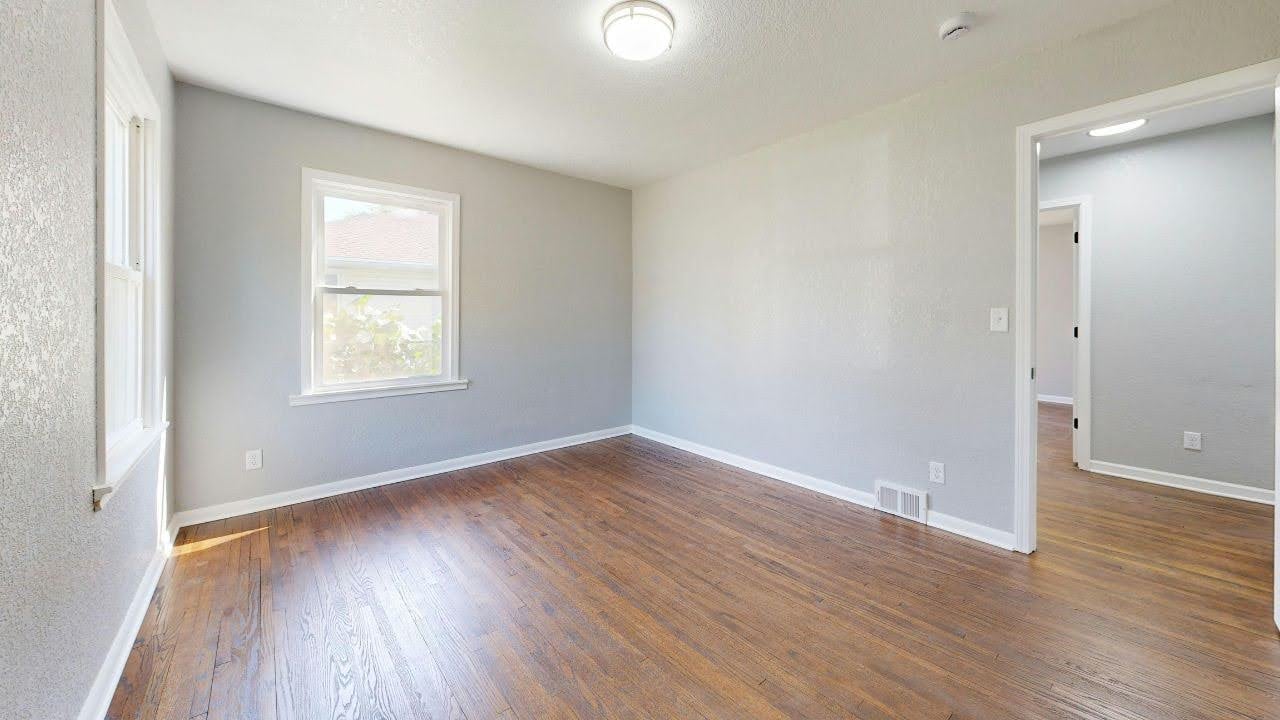
Inspections are often overlooked by self-managing landlords, especially when a tenancy seems to be going smoothly.
Inspections Create Accountability
Move-in, mid-lease, and move-out inspections provide documentation and help set clear expectations. They establish the condition of the property, make it easier to spot lease issues early, and reduce disputes when a resident moves out.
Without inspections, landlords are left guessing. That uncertainty can make damage claims harder to support and allow small issues to grow unnoticed.
Protect the Asset Over Time
Inspections are not just about catching tenant damage. They also help identify maintenance problems early, such as leaks, HVAC issues, roof wear, or plumbing concerns. That kind of visibility protects both the property and the budget.
Mistake #4: Delaying Maintenance
This is one of the fastest ways to turn a manageable expense into a major bill.
Small Problems Rarely Stay Small
A minor roof issue can become interior water damage. A slow leak under a sink can lead to mold, cabinetry damage, and flooring replacement. An HVAC issue that could have been repaired affordably may turn into a full system replacement if ignored.
Deferred maintenance also affects tenant satisfaction. Residents are more likely to renew when they feel the property is well cared for and management is responsive.
Preventive Action Preserves Profit
Landlords who respond quickly typically spend less over time. Preventive maintenance also helps preserve the property’s value and reduces emergency repair calls, which are often more expensive and disruptive.
From a financial planning standpoint, owners should also understand ongoing expenses and tax treatment tied to property operations. IRS guidance for rental income and expenses can help landlords better understand the basics.
Mistake #5: Mishandling Turnovers
Vacancy is expensive. Every extra day a unit sits empty is income that cannot be recovered.
Speed Matters, but So Does Process
A smooth turnover requires coordination. Cleaning, repairs, touch-ups, photos, pricing, and marketing all need to happen quickly and in the right order. If even one part is delayed, the unit can remain off the market longer than necessary.
The strongest operators treat turnovers like a system, not a scramble.
Marketing Still Plays a Big Role
Even a well-maintained property can underperform if the listing is weak or priced incorrectly. Strong photos, accurate rent positioning, and prompt follow-up with prospective tenants all help reduce days on market.
For owners marketing homes in high-demand coastal areas, understanding what attracts renters to the area matters too. Content around things to do in Manhattan Beach, CA highlights how lifestyle and location often influence renter demand.
Why Professional Management Helps Reduce These Risks
Most landlord mistakes are preventable, but prevention takes time, systems, and experience.
Professional management helps owners make better acquisition decisions, place better tenants, keep up with inspections and compliance, respond to maintenance issues faster, and shorten vacancy periods during turnovers. It also creates consistency, which is one of the biggest drivers of long term rental performance.
In a market like Los Angeles, where regulations, tenant expectations, and property costs are all high, that consistency can make a major difference.
Key Takeaways
- Buying the wrong property can create long term cash flow and maintenance problems
- Weak tenant screening often leads to nonpayment, damage, and expensive turnover
- Routine inspections help protect the property and reduce disputes
- Delayed maintenance usually costs more than early action
- Slow or disorganized turnovers lead directly to lost rental income
- Rental success depends on treating the property like a business, not a side project
Final Thoughts
Rental property ownership can be highly rewarding, but strong returns do not happen by accident. The most successful landlords stay proactive, protect the asset, and build reliable systems around leasing, maintenance, inspections, and turnover.
Jambi Property Management helps Los Angeles rental owners avoid these common mistakes with full-service support designed to protect income, reduce stress, and keep investments performing at a high level.