Key Takeaways:
- Maintenance is asset management, not an expense. Treating maintenance as a proactive, structured system protects property value, ensures legal compliance, reduces risk, and supports long-term profitability—while reactive maintenance leads to higher costs and tenant turnover.
- A balanced strategy requires three maintenance layers. Effective rental upkeep depends on preventive maintenance (avoiding failures), corrective maintenance (fast, consistent repairs), and capital maintenance (planned system replacements). Neglecting any one layer creates costly imbalances.
- Preventive and timely repairs protect tenants and cash flow. Routine inspections, seasonal planning, and prompt responses to repair requests prevent small issues from escalating, maintain habitability, and strengthen tenant trust and retention.
- Planning, documentation, and reserves ensure long-term stability. Tracking inspections and repairs, understanding system lifespans, and budgeting for capital replacements transform unexpected emergencies into manageable investments while supporting legal protection and tax planning.
Rental property maintenance is not about cosmetic updates or locational repairs. Instead, it entails an ongoing strategic responsibility that has direct influence on legal compliance, tenants' satisfaction, asset value, and long-term profitability.
At the intersection of stewardship and risk-management is property maintenance that requires discipline, planning, and technical knowledge.
Tenant turnover, regulatory exposure, and escalating costs are the consequences for a landlord who considers maintenance as a reactive expense. However, those who consider it a structured, proactive system preserve the financial stability of their investment and the physical integrity of their property.
In this article, we will examine rental property maintenance as a continuous process. This will include how communication, documentation, preventive care, and strategic decision-making help to create competitive, compliant, and functional properties over time.
Understanding Maintenance as Asset Management
Without deliberate intervention to retain value, a rental property will undergo physical depreciation. Although the land may appreciate, structures on it will not improve on their own.
Mechanical systems become inefficient, appliances wear out, plumbing corrodes, and the roof ages. This shows that maintenance is not optional, but a mechanism for slowing down depreciation and controlling operational risk.
The Three Levels of Maintenance
There are three levels at which effective maintenance operates:
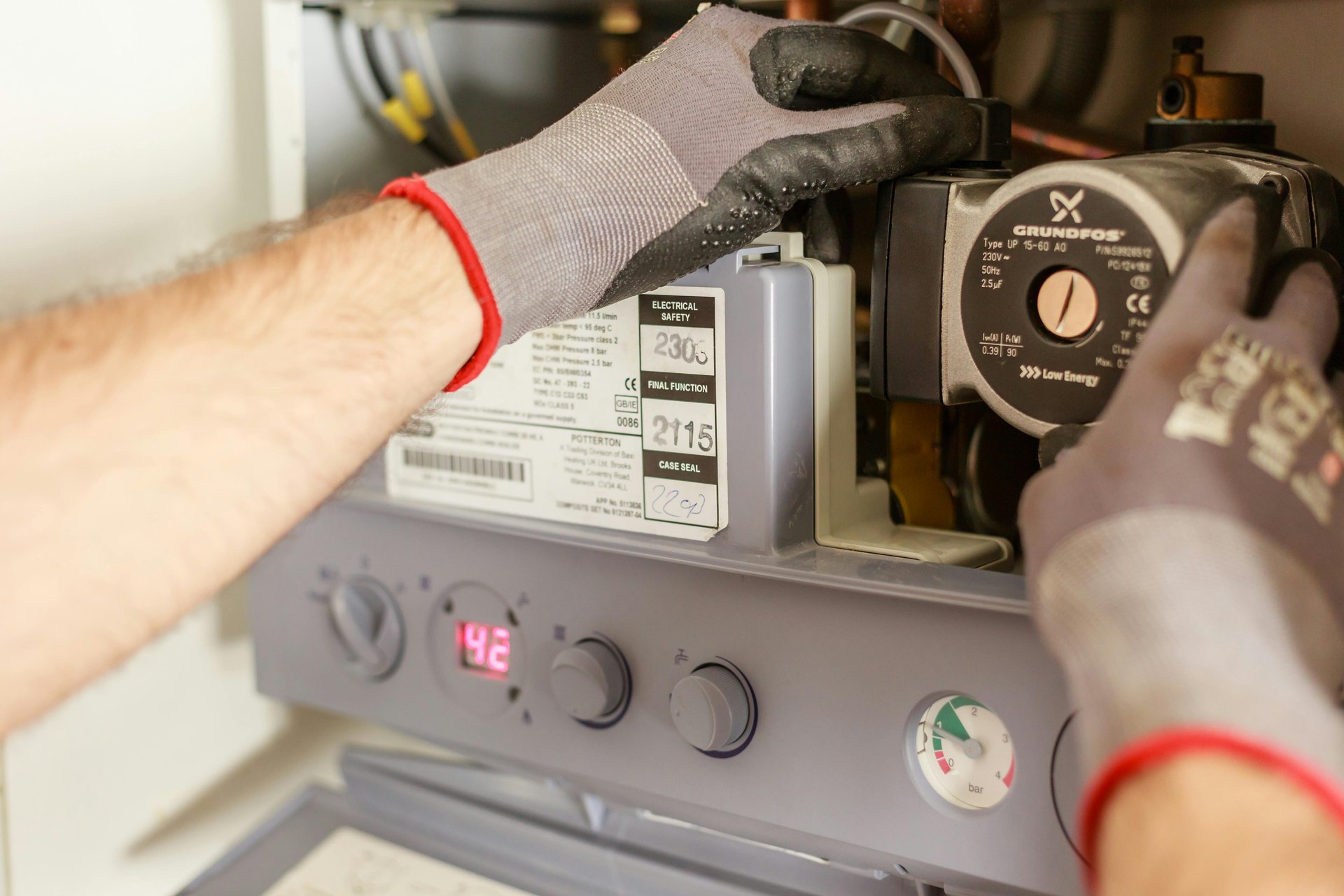
- Preventive maintenance: These address predictable issues before failure occurs.
- Corrective maintenance: This handles existing issues promptly.
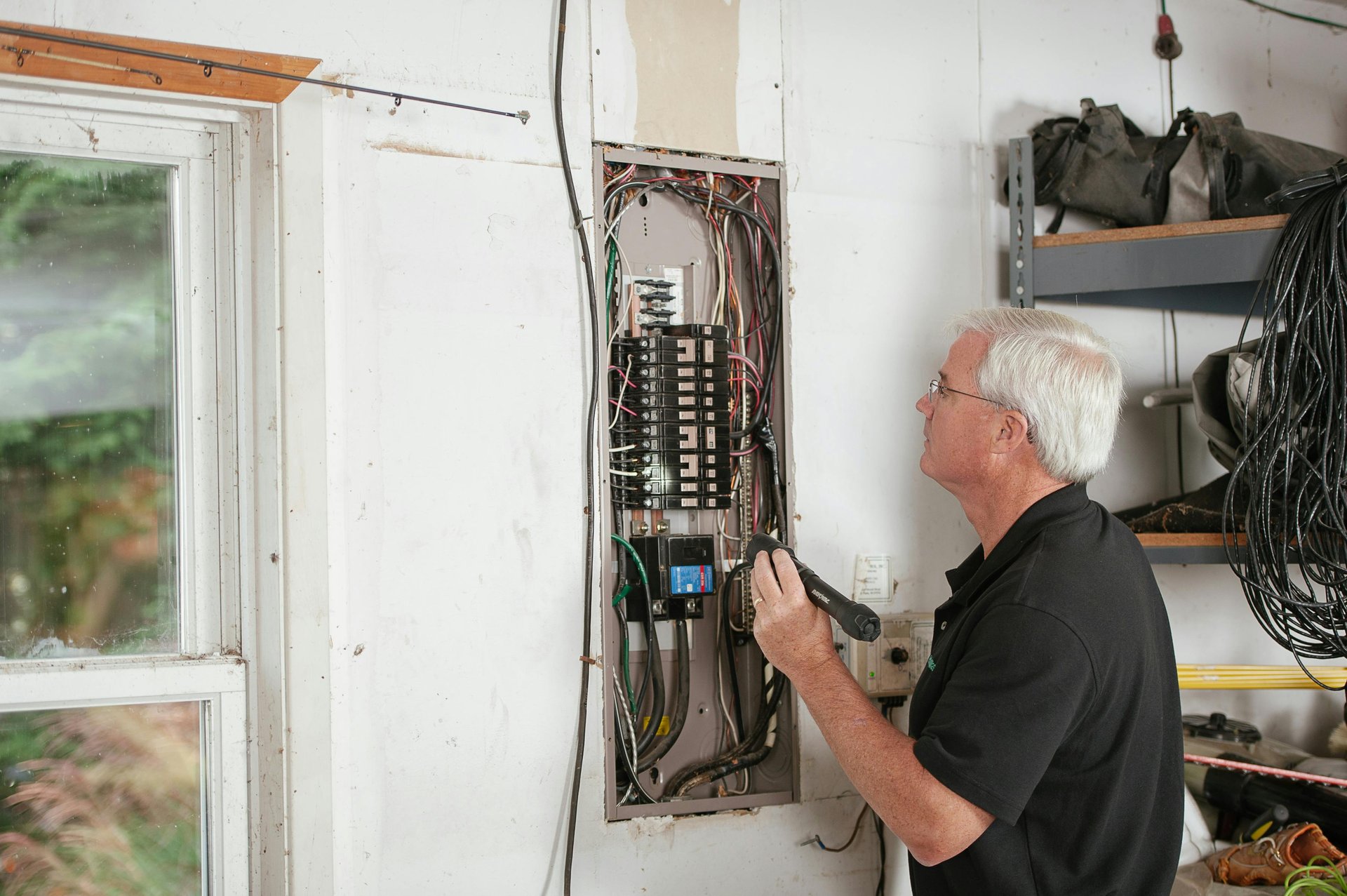
- Capital maintenance: This is the planned replacement of major systems.
Imbalances result when one of these layers is neglected. Postponing capital improvements will eventually lead to emergency replacements at higher prices, while over-reliance on reactive repairs will disrupt tenants and increase costs.
Preventative Maintenance
Preventative maintenance is the bedrock of responsible property ownership. The purpose of this type of maintenance is not perfection but pro-action.
Landlords can reduce the likelihood of emergencies that will erode trust and disrupt tenancy by identifying and addressing issues early before they occur. Some major components of preventative maintenance include:
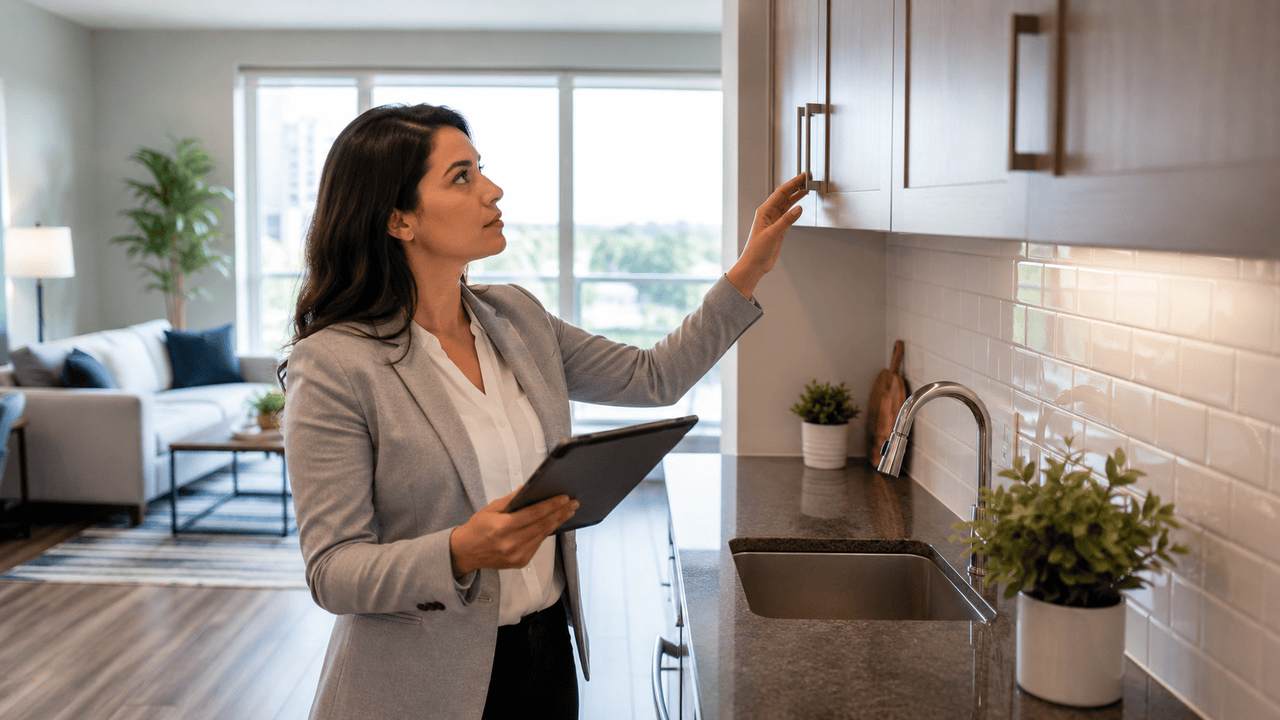
Routine inspections: Property owners observe conditions that tenants may not promptly report by performing scheduled inspections. The focus of these inspections is typically on:
- Exterior elements such as roofing, gutters, and sidings.
- Signs of water damage, moisture intrusion, mold, or pest activities.
- HVAC performance and filter condition.
- Exposed wiring, electrical outlets, and switches.
- Plumbing leaks and water pressure irregularities.
Before conducting routine inspections, ensure that you give proper notices and document them. If disputes arise, photographic records will provide legal protection and maintenance guidance.
Seasonal maintenance planning: Changes in seasons affect properties. Exterior components undergo stress during temperature fluctuations, snowfall, or heavy rain. Cooling systems face stress in summer and heating in winter.
By performing seasonal maintenance, you anticipate these issues instead of reacting to failures. Some examples of seasonal maintenance include:
- Inspecting seals and weatherproofing before extremes of temperature.
- Clearing gutters ahead of rainy seasons.
- Servicing HVAC systems before peak usage.
- Testing carbon monoxide and smoke detectors annually.
Using this cyclical approach will help to evenly distribute maintenance costs throughout the year and reduce emergency expenses.
Corrective Maintenance
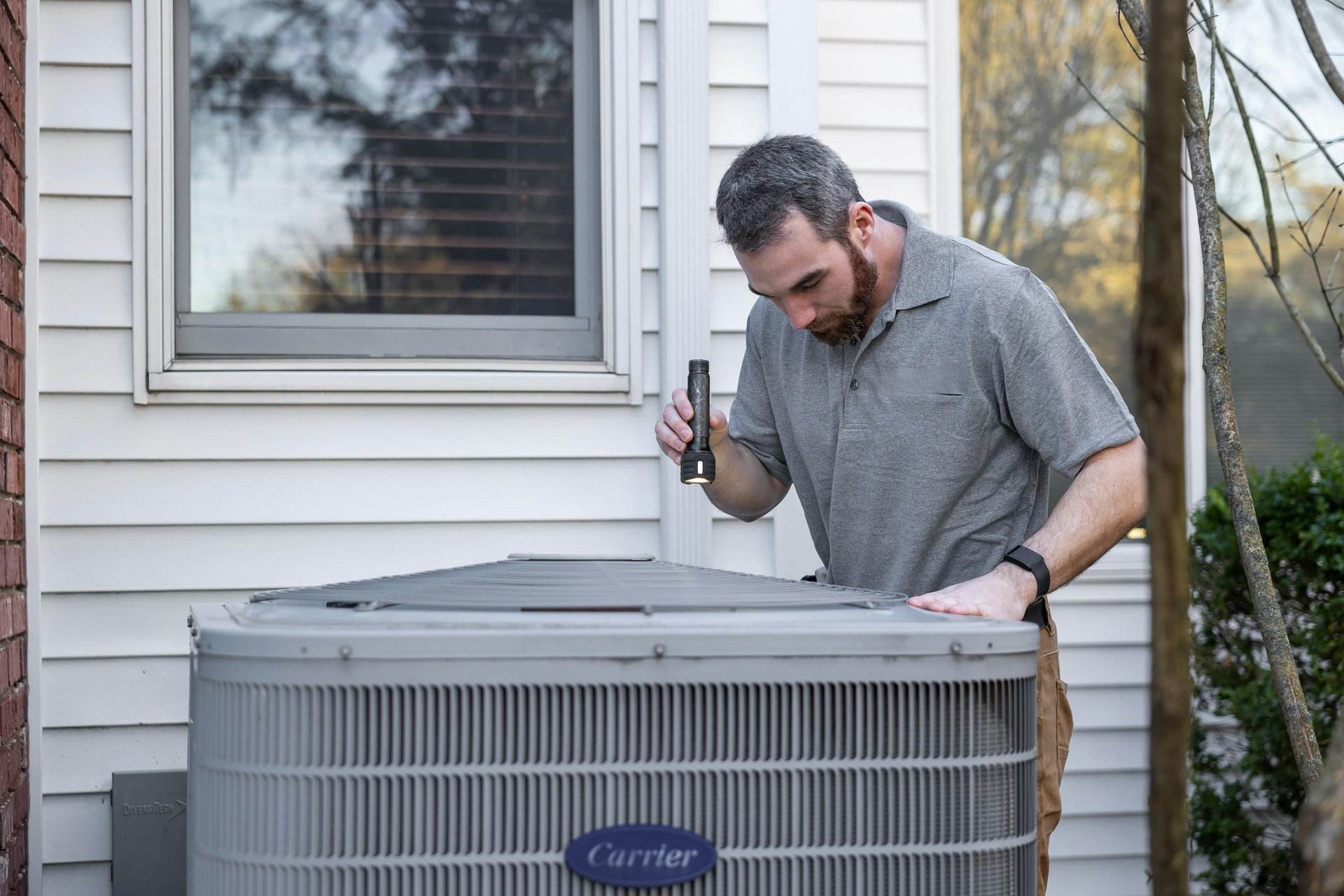
Even when you have the best preventative maintenance approach, you cannot eliminate all repairs. How you respond to issues is as important as the resolution itself. Minor problems often escalate into significant damage due to delayed or inconsistent repairs.
Timely response to repair requests: When tenants trust that action will be taken, they are more likely to report issues promptly. Prompt communication of problems is discouraged by slow responses.
This will lead to deterioration of the property’s condition. You can reinforce professionalism and accountability by prompt acknowledgment, even before full resolution. Having clear repair workflows ensures consistency. These workflows confirm:
- How to submit repair requests.
- How to assess urgency.
- Who is authorized to conduct the repair.
- How completion is documented.
Ensuring consistency will protect the landlord’s legal position and the tenant relationship.
Differentiating Habitability Issues from Routine Repairs
Some repairs affect habitability and must be given priority. Such repairs usually involve:
- Sewage or sanitation issues.
- Electrical, heating, or water failures.
- Security-related problems, such as broken windows or locks.
Prompt handling of habitability concerns is not a matter of tenant satisfaction but also legal compliance. Landlords are exposed to potential penalties and liabilities if they postpone actions in these areas.
Capital Maintenance
There is a specific lifespan for every major system in a rental property. With time, appliances, electrical panels, furnaces, water heaters, and roofs will require replacement. Capital maintenance is the concept of accepting this reality and preparing operationally and financially.
Landlords who understand the expected lifespan of rental property components can proactively plan for their replacements. Below are examples of life cycles for some components:
- HVAC systems typically last 15 to 20 years.
- A water heater often lasts 8 to 12 years.
- Roofing materials, such as shingles, have varying lifespans and are not permanent.
Emergency expenses, tenant disruption, and property damage usually result from waiting for failures instead of planning for replacements.
You can ensure that replacements do not destabilize cash flow by allocating a portion of rental income into long-term reserves. Capital planning transforms massive, unexpected expenses into manageable, anticipated investments.
Strategic upgrades are also supported by this approach. Landlords can reduce operating costs and increase tenant appeal by replacing outdated systems with energy-efficient alternatives.
The Role of Documentation in Maintenance Management
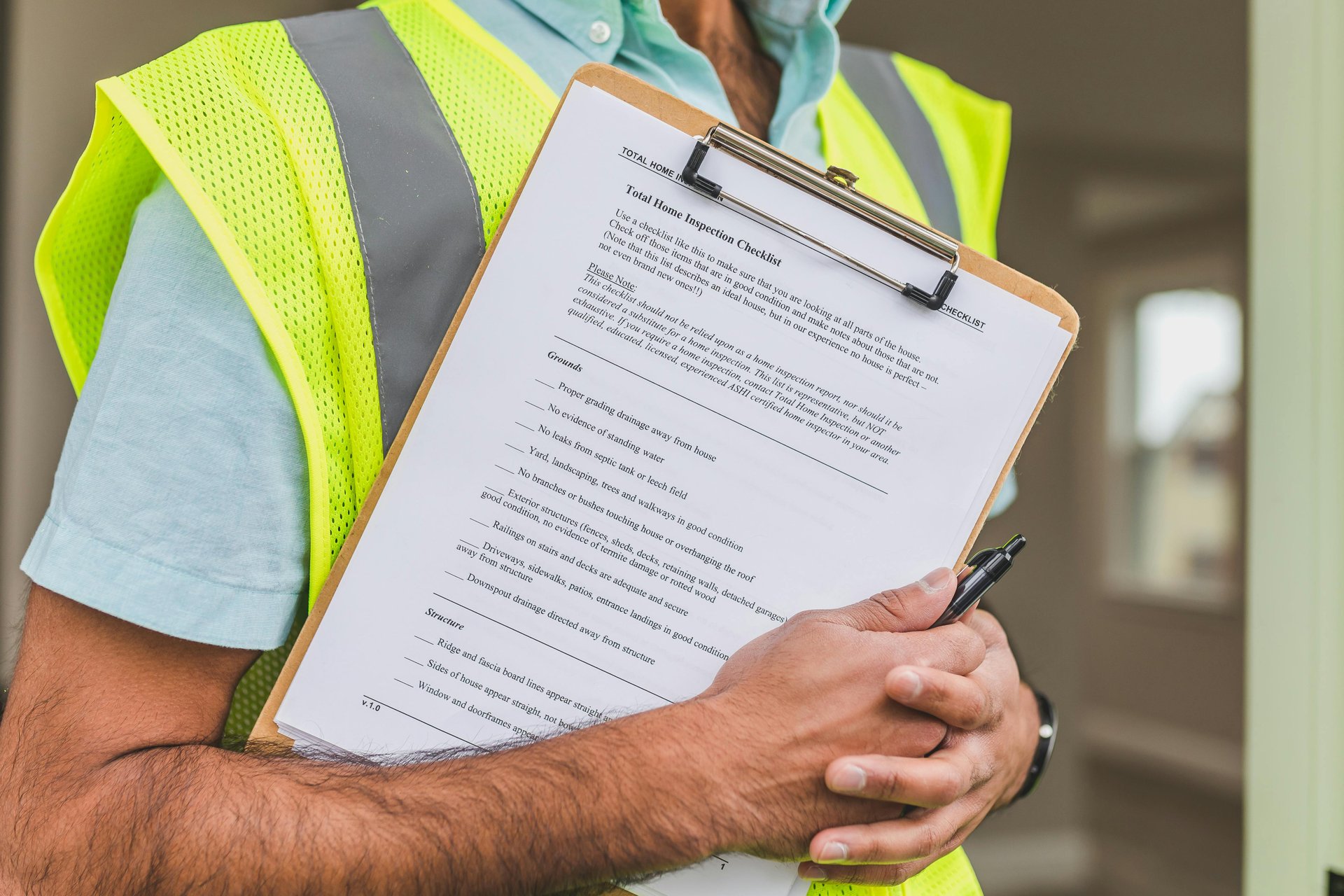
Finishing a repair is not the end of maintenance. Proper documentation is crucial for long-term planning, legal compliance, and accountability. Your maintenance records should be accurate and include the following:
- Date of inspections and repairs.
- Photographic evidence before and after work.
- Contractor invoices and warranties.
- Description of issues and resolutions.
All these will facilitate future repairs, support tax deductions, and provide evidence in case of inspections or disputes. Landlords can clarify responsibility for damage versus normal repairs by documenting the property’s condition at the beginning and end of a tenancy.
Final Thoughts
Maintaining a rental property requires a disciplined, ongoing strategy that is rooted in accountability and foresight.
Preventative care reduces risk, corrective maintenance preserves habitability, and capital planning ensures viability for the long term.
All these elements work together to form a maintenance strategy that protects tenant relationships and physical assets.
We recommend partnering with a local property management company that can streamline the maintenance of your rental property according to its needs and environment.