Key Takeaways
California evictions follow a clear legal path that starts with choosing the right notice based on the reason for ending the tenancy.
The type of eviction notice and the way it is served both play a big role in how smoothly the process moves forward.If a tenant does not comply after the notice period, landlords must file an unlawful detainer case and let the court decide possession.
After a court ruling in the landlord’s favor, only the sheriff can carry out the eviction, and specific rules apply to any property left behind.
Ever wondered if you could ask a tenant to move out right away for missing a rent payment, only to find out it does not work that way? In California, to evict a tenant, you must follow a specific legal process with clear rules.
Jambi Property Management created this guide to walk you through each step of the California eviction process, so you understand what actions to take and which ones to avoid.
What is the Eviction Process in California?
Notice for Lease Termination with Legal Cause
As a landlord in California, you can evict a renter for several reasons. Common grounds include:
If a tenant fails to pay rent on time
If a tenant violates a lease agreement, such as having unauthorized pets, unauthorized occupants, or other curable lease breaches
If a tenant commits a serious breach, such as major property damage, nuisance behavior, or illegal activity on the property
The Types of Eviction Notices in California
Depending on the cause, California landlords use the following notices:
3 Day Notice to Pay Rent or Quit if the tenant is behind on rent
3 Day Notice to Perform or Quit if the tenant violated a correctable lease term
3 Day Notice to Quit if the violation is serious or cannot be corrected
30 Day or 60 Day Notice to Quit for month-to-month tenants when the landlord is ending the tenancy without cause. Thirty days apply if the tenant has lived in the unit less than one year. Sixty days apply if the tenant has lived there for one year or longer.
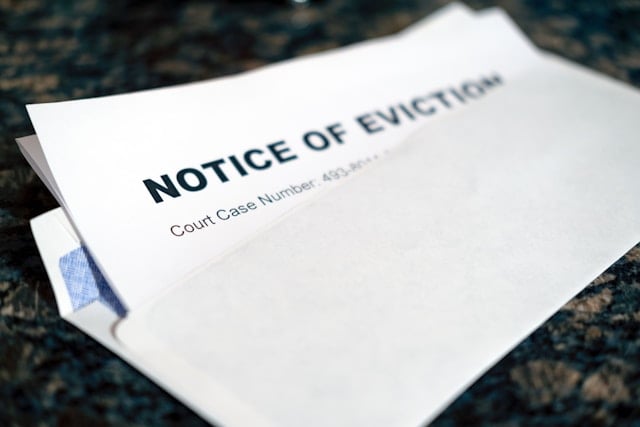
Serving a Tenant with an Eviction Notice in California
Once you choose the correct notice, it must be served properly. California allows three main methods of service:
Personal service by handing the notice directly to the tenant.
Substituted service by leaving the notice with a responsible adult at the home or workplace and mailing a copy.
Posting and mailing by taping the notice to the main entrance and mailing a copy if other methods are not possible.
If the notice is handled incorrectly or the wrong notice is issued, the court may dismiss your eviction case.
What Happens After the Notice Period Ends
If the tenant does not comply with the notice by paying rent, fixing the violation, or moving out, you may file an eviction lawsuit called an unlawful detainer. You must file this lawsuit in the superior court for the county where the rental property is located.
After filing, the court issues a summons and sets a hearing date. The tenant must be served with these papers by someone legally allowed to serve court documents. If the tenant does not respond within the required time, you may request a default judgment.
If they do respond, the case goes to a hearing or trial where the judge decides whether to grant possession to you. If the court rules in your favor, you receive a court order called a Writ of Possession. This allows the sheriff to remove the tenant.
Tenant Eviction Defenses in California
Tenants may challenge an eviction by raising one or more defenses. Common defenses include:

Claiming the notice was served incorrectly.
Claiming there was no valid reason for eviction.
Claiming the rental unit was not habitable or that retaliation occurred.
Claiming they already corrected the violation within the allowed time.
Disputing the amount owed.
If the tenant raises a valid defense, the court may delay or deny the eviction.
Attending Court Hearing
Both landlord and tenant are required to attend the unlawful detainer hearing. During the hearing, the judge reviews evidence from both sides. If you, as the landlord, win the case, the tenant may still have a short period to pay the past due rent and court costs if the case was based on nonpayment of rent.
If the tenant wins, they remain in the property. If the tenant does not show up at all, the judge will likely rule in your favor and issue a judgment for possession.
Writ of Restitution
After you win the case, the court issues a Writ of Restitution, commonly called a Writ of Possession in California. This document gives the sheriff legal authority to remove the tenant from the rental unit.

The writ is delivered to the sheriff, who then posts a notice at the property giving the tenant a final warning to move out. This notice usually provides about five days before the sheriff returns to carry out the physical eviction.
The Eviction
Once the waiting period expires, the sheriff returns to the property to complete the eviction. The sheriff supervises the process and ensures the tenant vacates. Unlike some states, California requires landlords to handle a tenant’s remaining property according to specific rules if items are left behind.
You cannot simply throw belongings on the curb. Instead, you must store the items for 15-18 days and provide written notice to the tenant about how to claim them. If they do not claim the property within the legal timeframe, you may dispose of it or sell it under the proper procedure.
Bottom Line
If you follow proper notice procedures, serve notices correctly, and comply with California landlord-tenant law, the eviction of a tenant is a structured legal process. Skipping steps or choosing the wrong notice type can delay or derail the entire case.
Jambi Property Management can guide landlords through every stage of the eviction process. We help ensure notices are correct, paperwork is filed properly, and all legal requirements are met. Contact us today to get support and avoid costly errors.
Disclaimer: Please note that the information provided in this blog is intended for general guidance and should not be considered as a replacement for professional legal advice. It is important to be aware that laws pertaining to property management may change, rendering this information outdated by the time you read it.