If you're trying to decide whether to rent out your home or sell it, you're not alone. Many homeowners across Los Angeles face this exact choice, especially in high-value markets like the South Bay and Westside. At Jambi Property Management, this is one of the most common conversations we have with clients who want to make the smartest long-term financial decision.
The truth is, most people focus only on surface-level numbers. But there are three deeper financial factors that often shift the decision entirely.
Understanding Real Cash Flow
It’s Not Just Income Minus Expenses
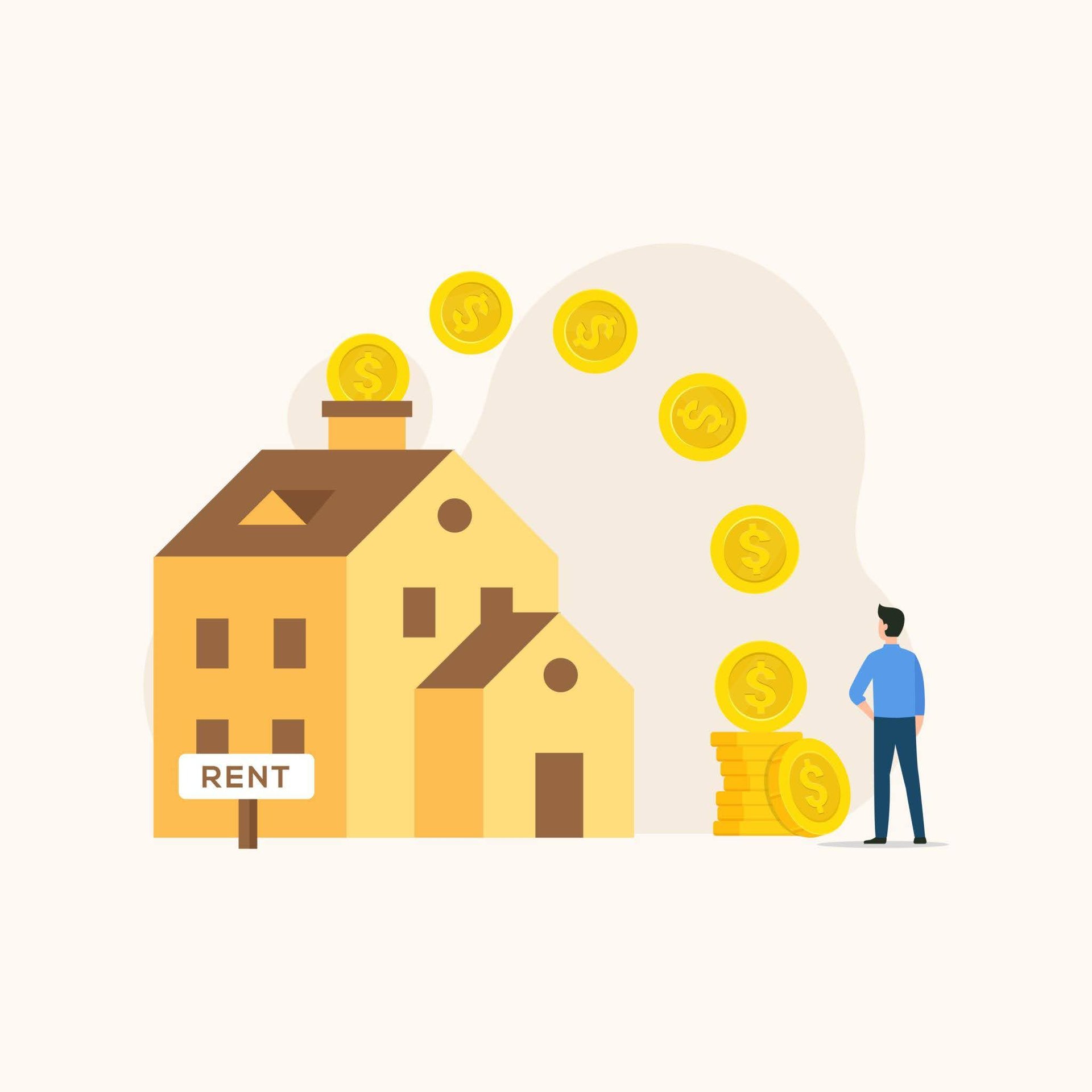
Most homeowners calculate cash flow by subtracting monthly expenses from rental income. On paper, that might look like a loss.
For example:
- Monthly expenses: $11,000
- Rental income: $10,000
- Perceived loss: $1,000
At first glance, renting seems like a bad deal. But this is where most people stop thinking.
Principal Paydown Changes the Equation
A portion of your mortgage payment goes toward paying down the loan balance. That’s not an expense. That’s equity.
If $2,000 of that monthly payment is going toward principal, you're actually building wealth while holding the property.
So instead of losing $1,000, you're effectively gaining $1,000 in equity each month.
This is what’s referred to as “real cash flow.” It’s a more accurate picture of your financial position as a landlord.
For a deeper look at how rental income and expenses work, you can explore rental property income fundamentals.
The Power of Depreciation

A Tax Advantage Many Overlook
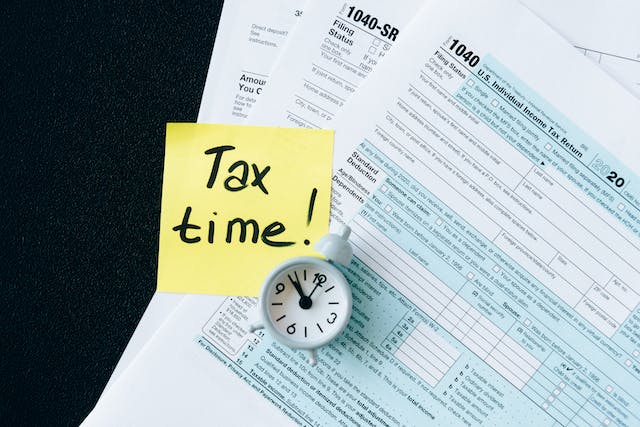
Depreciation is one of the biggest financial benefits of owning rental property, and most homeowners don’t fully understand how powerful it is.
The IRS allows property owners to write off a portion of the home’s value each year, even if the property is actually increasing in value.
This creates a “paper loss” that can offset rental income on your taxes.
How It Impacts Your Bottom Line
Even if your property appears to break even or operate at a small loss on paper, depreciation can significantly reduce your taxable income.
That means:
- Lower tax liability
- Increased effective returns
- More money kept in your pocket
You can review how this works directly through residential rental property depreciation guidelines.
When combined with real cash flow, depreciation often turns a seemingly average investment into a strong long-term wealth builder.
Why Liquid Reserves Matter

The Safety Net That Changes Everything
Owning a rental property comes with unpredictability. Repairs, vacancies, or unexpected costs can happen at any time.
This is where liquid reserves come into play.
A well-prepared property owner should have at least three to six months of expenses set aside.
Turning Stress Into Stability
Without reserves:
- A vacancy feels like a financial emergency
- Repairs create pressure
- Decision-making becomes reactive
With reserves:
- Vacancies are manageable
- Repairs are routine
- You stay in control
This buffer allows you to operate like a long-term investor instead of reacting like a short-term owner.
When Selling Might Make More Sense
Situations Where Selling Wins
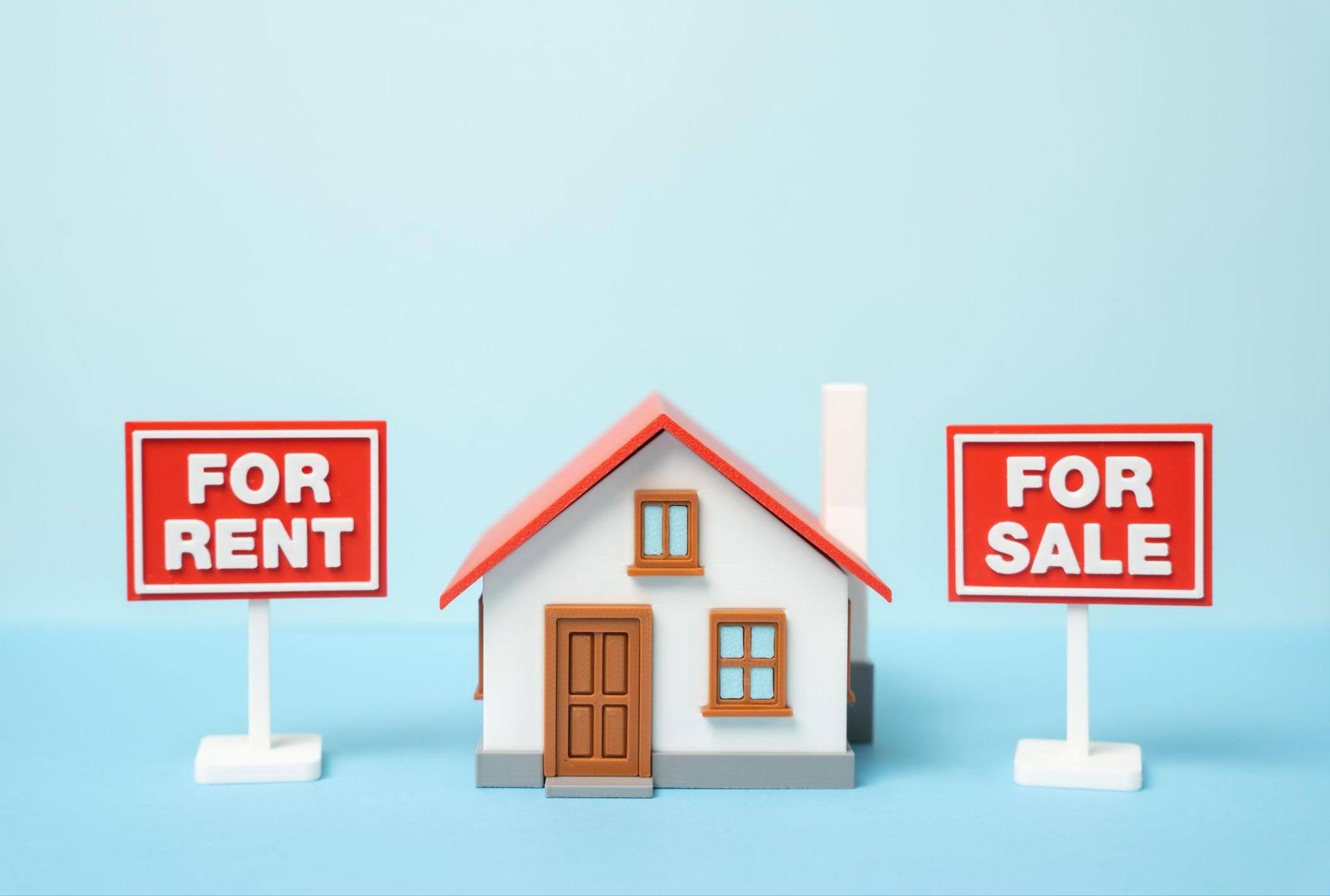
Renting isn’t always the right move. There are clear situations where selling may be the better option:
- You need capital for your next purchase
- You don’t want the responsibilities of being a landlord
- The property doesn’t perform well as a rental
- Local rental demand is weak
Understanding your local market is key. Data from U.S. housing market trends shows that rental demand can vary significantly depending on location and property type.
Why Los Angeles Is Unique
Strong Rental Demand
In markets like Los Angeles, rental demand remains consistently strong, especially for:
- Single-family homes
- Coastal properties
- Well-located condos
This demand creates long-term upside for homeowners who choose to hold and rent.
Long-Term Wealth Potential
Holding property in a high-demand market allows you to benefit from:
- Appreciation
- Equity growth
- Rental income
- Tax advantages
If you're considering where to invest or expand, take a look at top investment areas in Manhattan Beach for location-specific insights.
Renting as a Long-Term Strategy
Building Wealth Over Time
Renting out your home isn’t just about monthly income. It’s about long-term positioning.
Over time, you benefit from:
- Rising rents
- Increasing property values
- Mortgage paydown
- Compounding returns
If you’re new to this, understanding the basics of renting out your home successfully can help you avoid common mistakes early.
Key Takeaways
- Cash flow should include equity from principal paydown, not just income vs expenses
- Depreciation can significantly reduce your tax burden and improve returns
- Having 3 to 6 months of reserves is critical for stability
- Selling makes sense in specific financial or lifestyle situations
- In Los Angeles, strong rental demand often favors holding long term
Final Thoughts
The decision to rent or sell isn’t just about numbers. It’s about strategy, risk tolerance, and long-term goals.
At Jambi Property Management, we help homeowners break down these decisions using real data, not assumptions. If you're unsure which path makes the most sense for your situation, getting a professional rental analysis can give you clarity and confidence in your next move.