Squatting is one of those issues many landlords do not think about until it becomes a real problem. For Los Angeles rental property owners, the concern is understandable. A vacant home, unclear access point, or delayed response can quickly turn into a stressful situation.
At Jambi Property Management, we believe landlords are better protected when they understand the difference between trespassing, squatting, and adverse possession. These terms are often used interchangeably, but they do not mean the same thing.
What Is Squatting?
Squatting happens when someone occupies a property without the owner’s permission. This could be a vacant single-family home, a rental unit between tenants, or a property that is not being actively monitored.
At first, this may seem like a simple trespassing issue. In some cases, it is. Trespassing is generally treated as a criminal matter when someone enters or remains on property without permission.
However, squatting can become more complicated if the person stays long enough or starts presenting themselves as having a right to be there. That is when the situation may move from a simple criminal issue into a civil legal matter.
That distinction matters because landlords cannot always remove the person immediately. Depending on the circumstances, they may need to follow formal notice and eviction procedures.
Squatting vs. Adverse Possession

Squatting and adverse possession are related, but they are not the same thing.
Squatting refers to unauthorized occupancy. Adverse possession is a legal concept where someone may try to claim ownership of property after meeting very strict legal requirements over a long period of time.
In simple terms, adverse possession is not just “someone moved in, so now they own the property.” The requirements are much higher than that.
A general overview of adverse possession rules explains that these claims usually require possession to be open, continuous, and hostile to the true owner’s rights. In California, the bar is especially difficult because the person must also meet specific state requirements.
How Adverse Possession Works in California
In California, a successful adverse possession claim generally requires the person to occupy the property openly and continuously for at least five years. They must also pay the property taxes during that period.
That tax requirement is one of the biggest reasons successful adverse possession claims are rare in Los Angeles. Most squatters are not paying all required property taxes for five consecutive years.
Still, landlords should not ignore the issue just because the legal ownership claim is unlikely. The bigger risk is the time, cost, and stress involved in removing an unauthorized occupant once they gain tenant-like protections.
Rental property ownership also comes with financial tracking and documentation responsibilities. Keeping clean records matters because property owners may need to prove ownership, expenses, taxes, and other property-related details. The IRS notes that owners should keep records that affect the basis of property for tax purposes, which is one reason organized documentation is so important for landlords.
Why Los Angeles Landlords Need to Take Squatting Seriously

Los Angeles has a competitive rental market, high property values, and strong tenant protections. That combination makes prevention especially important.
A vacant property can attract unwanted attention. Even a short vacancy can become risky if doors, windows, gates, or garages are not secure. If someone gets inside and remains there, the owner may have to go through a legal process to regain possession.
This is why landlords should treat vacancy management as part of asset protection. It is not only about finding the next tenant. It is about keeping the property visible, maintained, and clearly under the owner’s control.
Many problems also start with simple oversight. A property owner may delay inspections, fail to check mail buildup, or assume a neighbor will report suspicious activity. Those gaps can make it easier for unauthorized occupants to move in unnoticed.
For broader prevention, landlords should also avoid common ownership missteps that create unnecessary risk. Reviewing costly landlord mistakes in Los Angeles can help owners tighten up their systems before problems happen.
What Landlords Should Not Do
If you discover a squatter, do not try to remove them yourself.
That means no changing the locks, shutting off utilities, removing belongings, threatening the occupant, or physically forcing them out. These actions may feel justified, but they can make the situation worse.
Once an occupant has established some level of possession, even without permission, the landlord may need to use proper legal notice and the formal unlawful detainer process.
This is where many owners get into trouble. They treat the situation like trespassing when the law may require a civil eviction process. The safest approach is to speak with an attorney or experienced property management company before taking action.
HUD-related housing materials also reinforce the importance of proper process in eviction situations, including written notice and court action where required. Property owners should understand that formal eviction procedures and written notice are not steps to skip.
How to Prevent Squatting in a Rental Property
The best way to deal with squatting is to reduce the chance of it happening in the first place.
Keep Properties Occupied
Vacancy creates risk. The longer a property sits empty, the more vulnerable it becomes.
Strong marketing, proper pricing, and responsive leasing systems help reduce downtime between tenants. If a property is sitting vacant longer than expected, landlords should revisit pricing, listing quality, showings, and overall rental strategy.
A well-marketed rental is not just about getting more applicants. It helps protect the property by shortening vacancy periods. Landlords can improve leasing results by learning how to advertise a rental property successfully.
Secure Doors, Windows, and Access Points
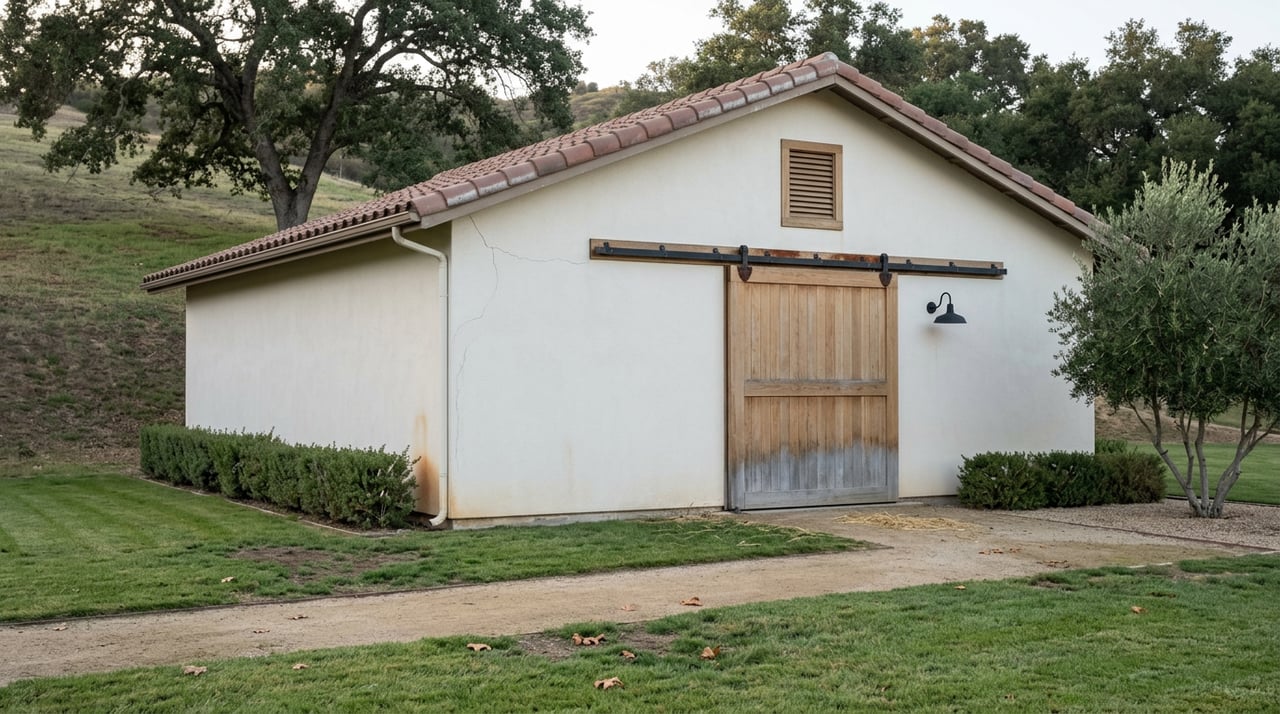
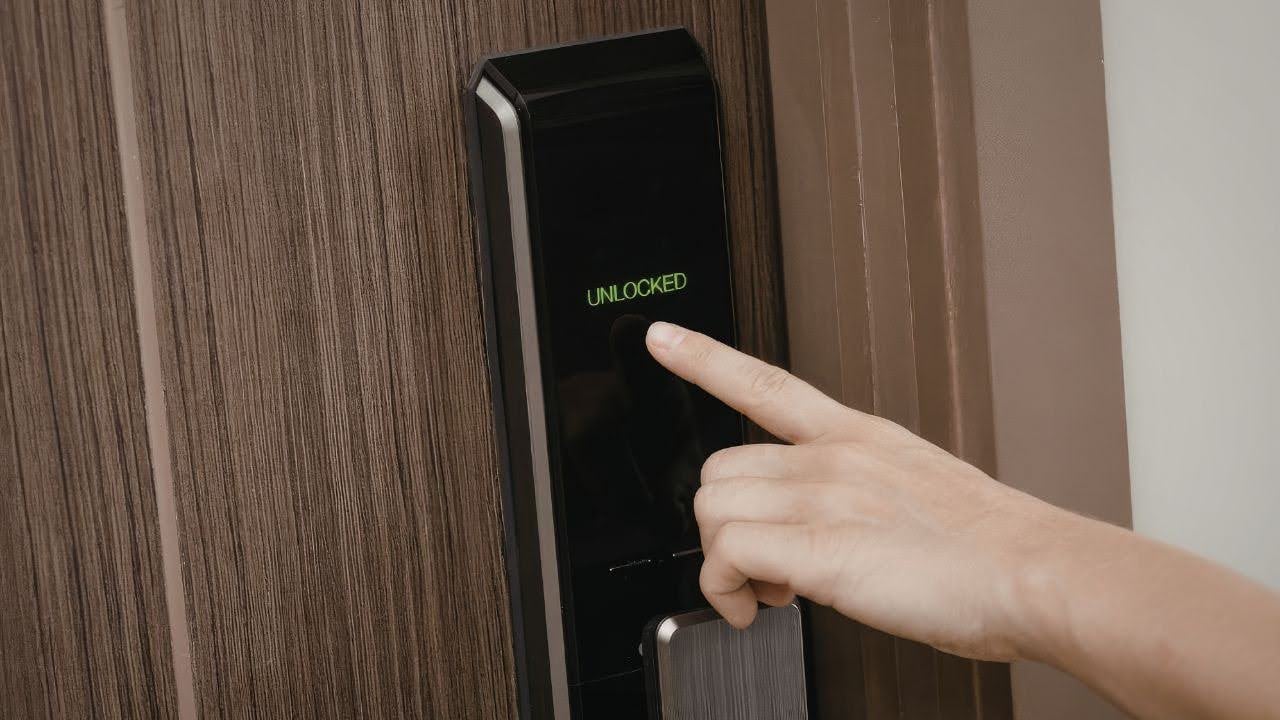
Every vacant property should be physically checked and secured. This includes front doors, back doors, sliding doors, garage access, side gates, windows, and detached structures.
Landlords should also remove hidden spare keys, secure lockboxes, and make sure former tenants, vendors, or unauthorized parties no longer have access.
Security cameras, exterior lighting, and visible maintenance can also help deter unauthorized entry.
Inspect Vacant Properties Regularly

Vacant properties should not be left unchecked for long stretches of time. Regular inspections help confirm that the home is secure, clean, and free from unauthorized occupants.
During inspections, look for signs such as broken locks, open windows, trash, personal belongings, moved furniture, mail buildup, or unusual utility usage.
The goal is to catch problems early before they become harder to resolve.
Screen Tenants Carefully
While squatting usually involves unauthorized occupancy, poor leasing practices can create related problems. For example, an unqualified tenant may move in other occupants, stop communicating, or refuse to leave after a lease issue.
Strong tenant screening helps reduce the risk of future possession disputes. A clear process should include identity verification, rental history, income review, references, and background checks where legally allowed.
For Los Angeles landlords, proper screening is especially important because removing a bad occupant can take time. A strong process for Los Angeles tenant screening can help protect both the property and the owner’s cash flow.
What to Do If You Find a Squatter
If you believe someone is occupying your property without permission, act quickly but carefully.
First, document everything. Take photos, save communication, note dates, and gather ownership records. Do not confront the occupant aggressively.
Second, contact local law enforcement to determine whether the situation is being treated as trespassing or a civil matter. The response may depend on the facts.
Third, speak with an attorney or property management professional familiar with Los Angeles rental laws. If formal notice is required, it needs to be handled correctly.
Fourth, if the occupant refuses to leave, the next step may be an unlawful detainer action. This is the legal eviction process used to regain possession of the property.
Key Takeaways
- Squatting means someone is occupying a property without permission.
- Adverse possession is different and requires strict legal conditions over a long period of time.
- In California, adverse possession generally requires at least five years of open and continuous occupancy plus payment of property taxes.
- Successful adverse possession claims are rare, but squatter situations can still become expensive and stressful.
- Landlords should never use self-help methods like changing locks or shutting off utilities.
- Prevention starts with fast leasing, regular inspections, strong security, and proper documentation.
- If a squatter is discovered, landlords should follow the legal process and get professional guidance.
Final Thoughts
Squatter issues are stressful, but they are much easier to manage when landlords act early and follow the right process. The biggest mistake is assuming the situation can be handled informally.
For Los Angeles property owners, prevention is the strongest protection. Keep the property occupied, inspect it regularly, secure access points, and document everything.
At Jambi Property Management, the goal is to help landlords protect their rental homes, reduce vacancy risk, and avoid legal headaches that can come from poorly handled occupancy issues.