Financing is often the first major hurdle for Los Angeles investors, especially in high-demand coastal markets like Manhattan Beach. Property prices are significant, lender requirements can be strict, and the numbers need to work before you ever collect the first rent check.
Jambi Property Management works with rental owners who are thinking beyond the purchase price. The financing choice you make affects your monthly cash flow, your ability to handle repairs, and how quickly you can grow your portfolio.
Key Takeaways
- Many first-time investors struggle with down payment requirements, so this breaks down options beyond a standard mortgage.
- Self-employed buyers may not fit neatly into traditional lending, which makes DSCR loans worth understanding.
- Owners with home equity may have more buying power than they realize.
- Fast financing can help with fixer-uppers, but short-term loans usually come with higher risk.
- Creative financing can open doors, but the details need to be reviewed carefully before moving forward.
Start With the Property, Not Just the Loan
Before choosing a financing option, investors should look at the rental property as a business asset. That means estimating rent, vacancy risk, repairs, insurance, taxes, and management costs before deciding how much debt the property can support.
A loan that looks affordable on paper can become stressful if the rental income is too tight. This is especially true in Los Angeles, where purchase prices are high and operating costs can vary by neighborhood, property age, and tenant expectations.
A strong rental analysis should answer a few practical questions:
- What rent is realistic for the property?
- How long could it sit vacant between tenants?
- What repairs or upgrades may be needed before leasing?
- How much cash should be kept in reserve?
- Will the property still have cash flow after debt payments?
These questions matter whether you are buying your first rental or deciding whether to rent or sell a Los Angeles home.
Option 1: Conventional Mortgage
A conventional mortgage is one of the most common ways to finance a rental property. For investment properties, lenders often require a larger down payment than they would for a primary residence. Many buyers should expect 20% to 25% down, along with strong credit, documented income, and enough cash reserves.

The challenge is that conventional lending looks closely at the borrower. If your personal income is hard to document, or if you already have several mortgages, qualifying can become more difficult. Investors should also compare loan options carefully, since shopping for a loan and understanding affordability are important parts of making a sound purchase decision.
Option 2: DSCR Loan
A DSCR loan, short for debt service coverage ratio loan, is designed around the income potential of the property. Instead of focusing mainly on the borrower’s personal income, the lender looks at whether the rental property can produce enough income to cover the debt.
This can be helpful for investors, self-employed buyers, and owners who have strong assets but income that does not fit traditional lending rules. The key question is simple: does the property generate enough rental income to support the mortgage payment?
A DSCR above 1 generally means the property produces enough income to cover its debt obligations, while a number below 1 suggests the property may not fully cover the loan payments from income alone. Investors should understand how debt service coverage ratio works before relying on this type of financing.
DSCR loans can be useful, but they are not magic. Rates, down payments, and lender rules can vary. The property still needs to make sense as a rental, especially in competitive Los Angeles neighborhoods where purchase prices can put pressure on cash flow.
Option 3: HELOC or Home Equity Loan
If you already own a home with equity, a HELOC or home equity loan may help you purchase a rental property. Some investors use equity as the down payment on a new property. Others use it to buy a lower-priced property outright or fund renovations before refinancing.
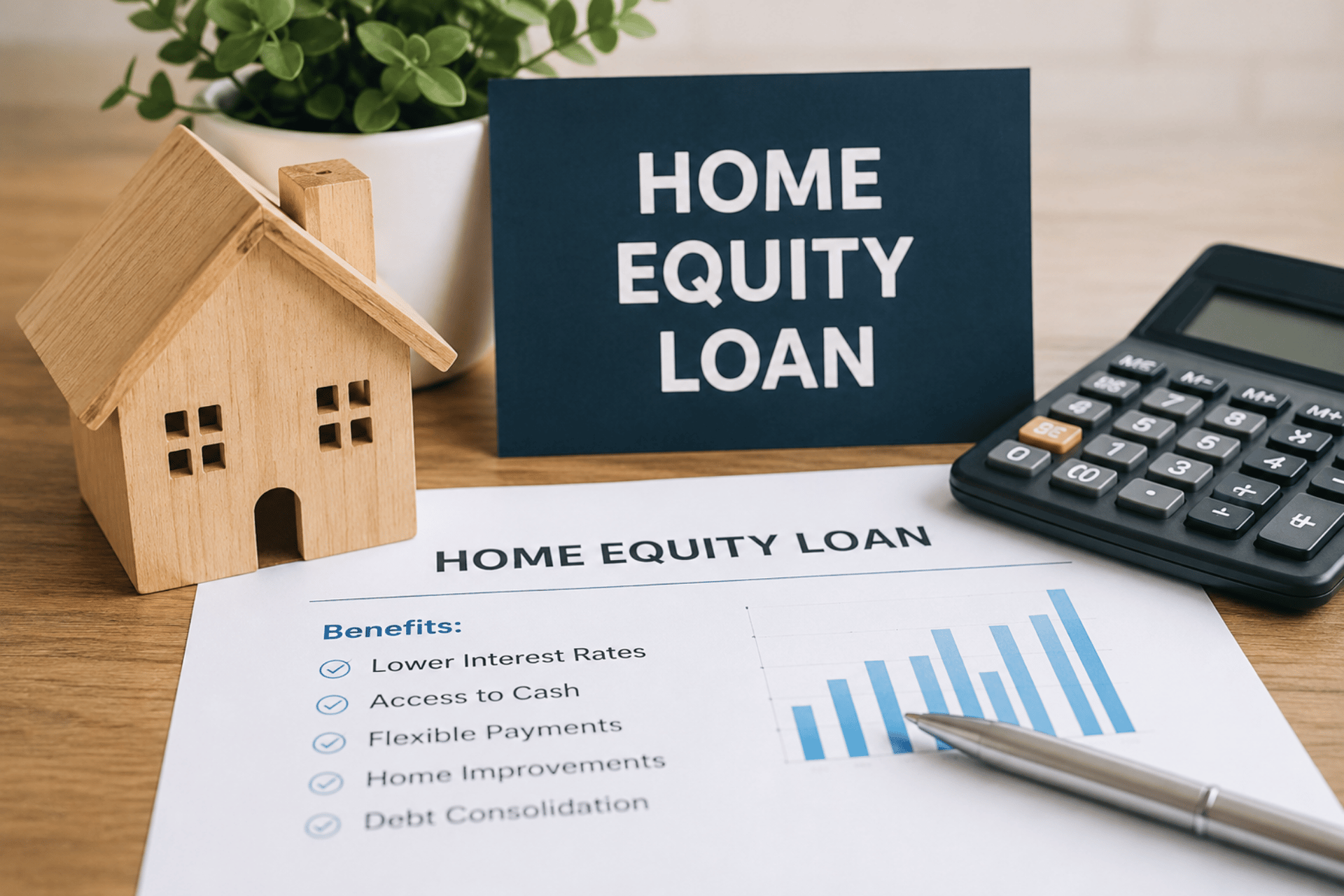
The risk is that you are borrowing against an asset you already own. If the rental property underperforms, you still owe the debt. Investors should be careful not to drain all available equity without leaving room for emergencies, repairs, vacancies, or unexpected ownership costs.
This is also where tax and expense tracking become important. Rental owners should understand how rental income and expenses are reported, especially when interest, repairs, depreciation, and operating costs are part of the bigger financial picture.
Option 4: Private Lenders or Hard Money Loans
Private lending and hard money loans are often used when speed matters. These loans may have fewer documentation requirements and faster approval timelines than traditional financing.
They can make sense for:
- Fixer-upper properties
- Short-term renovation projects
- Investors planning to refinance quickly
- Buyers competing in situations where timing is critical
The tradeoff is cost. Hard money and private loans usually come with higher interest rates, shorter terms, and more pressure to execute quickly. That means the exit strategy needs to be clear before the loan is signed.
For example, if you plan to renovate and refinance, you should know the estimated repair costs, expected post-renovation value, likely rent, and timeline. If the project runs long or costs more than expected, the financing can become expensive quickly.
Los Angeles investors also need to factor in tenant laws, property condition, and occupancy risk. Before buying a property with unusual occupancy issues, it is smart to understand topics like California squatter rights for landlords, since legal complications can affect timelines and profitability.
Option 5: Partnerships and Creative Financing
Partnerships and creative financing can help investors move forward when they do not want to fund the full purchase alone. This may include teaming up with another investor, using seller financing, or structuring a deal where one person brings capital and another handles operations.
This can work well when roles are clear. Problems usually happen when partners do not define expectations upfront.
Before entering a partnership, investors should clarify:
- Who contributes the down payment?
- Who qualifies for the loan?
- Who manages repairs, leasing, and tenant issues?
- How are profits and losses split?
- What happens if one partner wants out?
Seller financing can also be useful in some cases, but terms matter. Interest rate, repayment timeline, balloon payments, and default language should all be reviewed carefully.
Creative financing can open doors, but it should not be used to force a deal that does not make financial sense. A weak property does not become a strong investment just because the financing is flexible.
Do Not Forget the Management Side
Financing gets you into the property. Management determines whether the investment performs over time.

Many financing decisions also depend on how confident you are in the property’s future performance. A well-managed rental can support better cash flow, fewer vacancies, and a smoother ownership experience. A poorly managed rental can strain even a well-structured loan.
That is why new investors should avoid common issues like underestimating repairs, accepting weak tenants, or skipping a proper rental analysis. These are the same types of problems covered in costly landlord mistakes in Los Angeles.
Final Thoughts
Financing a rental property in Los Angeles is not about finding one perfect loan. It is about matching the financing strategy to the property, your financial position, and your long-term goals. Jambi Property Management helps rental owners think through the operational side of ownership so the investment has a stronger chance of performing after the deal closes.
Important Note: Financing terms, loan requirements, tax rules, and local regulations can vary based on the property, lender, and owner’s financial situation. Rental property owners should speak with a qualified lender, CPA, or real estate attorney before making a financing decision.