Owning a rental property in Los Angeles can create strong long-term value, but the tax side of ownership often gets overlooked until it is time to file. For many landlords, the issue is not that deductions are unavailable. The issue is that common expenses are missed, poorly documented, or misunderstood.
Jambi Property Management works with rental property owners who want cleaner operations, better records, and fewer surprises during tax season. While every owner should review their own numbers with a qualified CPA, understanding the main categories of rental property deductions can help you ask better questions and stay organized throughout the year.
Key Takeaways
- Many Los Angeles landlords miss deductions because they do not clearly separate repairs, improvements, and operating expenses.
- Some rental property costs may be deductible in the year they are paid, while others usually need to be depreciated over time.
- Mortgage interest, property management fees, insurance, repairs, advertising, and professional services are common areas to review.
- Strong recordkeeping makes tax season easier and helps owners avoid scrambling for receipts later.
- Depreciation can be valuable, but it is also one of the areas where landlords should get CPA guidance.
Immediate Rental Property Deductions vs. Long-Term Depreciation
One of the first things landlords should understand is the difference between expenses that may be deducted right away and expenses that usually need to be spread out over time.
A routine repair, such as fixing a leaking faucet or replacing a broken window, is usually treated differently from a major improvement, such as replacing the roof or installing a new HVAC system. The first may be an operating expense. The second may be considered a capital improvement.
That distinction matters because it affects when the deduction is taken. Some expenses may reduce taxable rental income in the current year. Others may be recovered gradually through depreciation.
The rules for rental real estate income, deductions, and recordkeeping make it clear why owners should keep organized records for repairs, improvements, furnishings, and property-related expenses.
1. Repairs and Maintenance
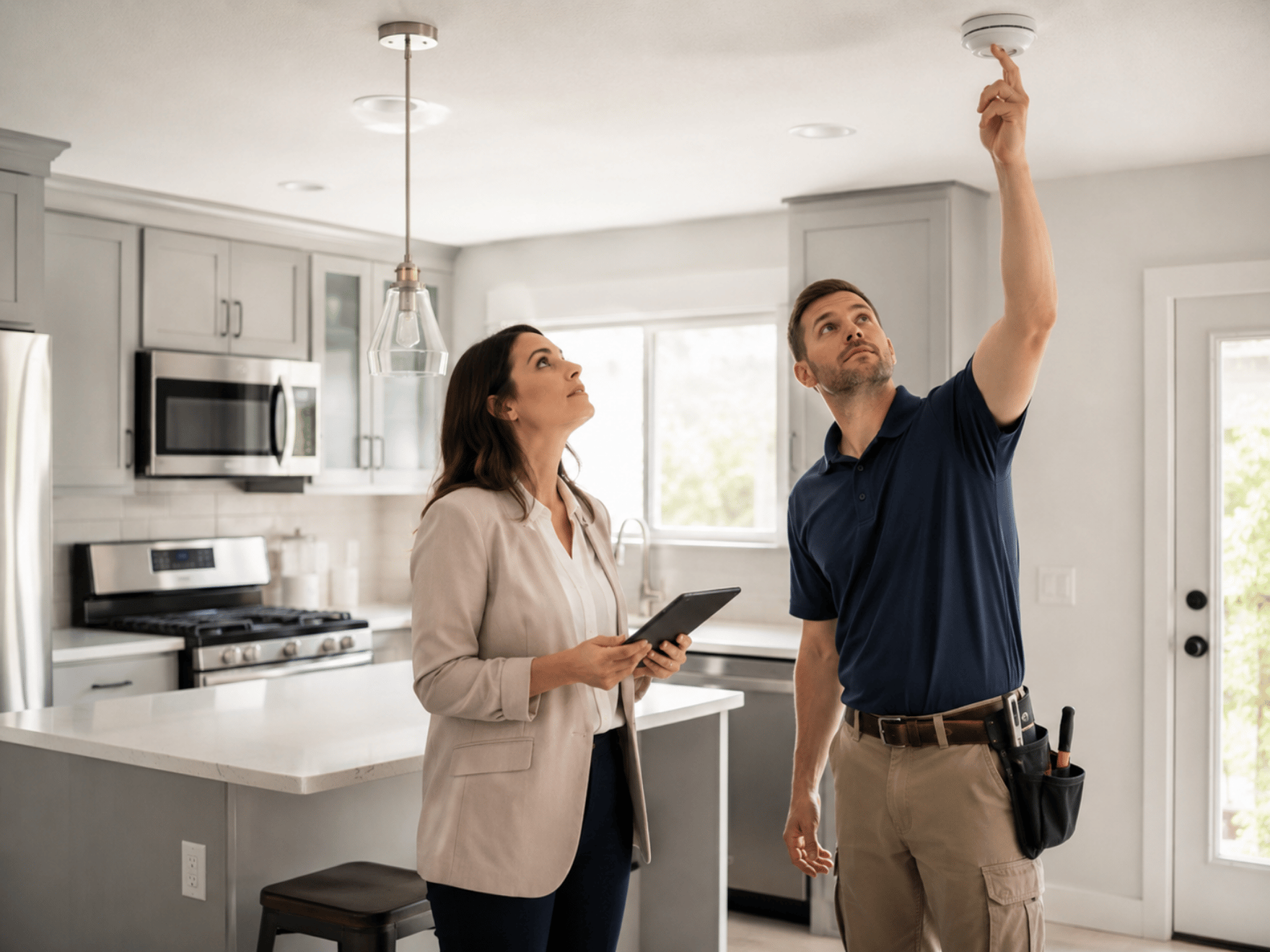
Repairs and maintenance are among the most common rental property deductions. These are costs related to keeping the property in good operating condition, not substantially improving it or changing its use.
Examples may include:
- Plumbing repairs
- Electrical fixes
- Patching drywall
- Appliance repairs
- Routine HVAC service
- Locksmith work
- Minor roof repairs
- Pest control
- Cleaning between tenants
For Los Angeles landlords, maintenance costs can add up quickly because tenants expect rental homes to be safe, functional, and well-maintained. Staying ahead of small repairs can also help prevent bigger problems later.
2. Property Management Fees
Property management fees are typically one of the clearer rental property deductions. If you pay a property management company to oversee leasing, rent collection, maintenance coordination, inspections, tenant communication, or accounting, those fees are generally tied directly to operating the rental.
For many owners, this deduction is only part of the value. Good management can also help improve financial organization by keeping income statements, maintenance records, owner distributions, and year-end reports in one place.
This is especially important for owners who are deciding whether to continue renting or sell. If you are weighing your options, reviewing the financial side of whether to rent or sell a Los Angeles home can help put the tax conversation into a bigger investment context.
3. Mortgage Interest
For many rental property owners, mortgage interest is one of the largest annual expenses connected to the property. If the loan is tied to the rental, the interest portion of the payment may be deductible as a rental expense.
It is important not to confuse the full mortgage payment with mortgage interest. Your monthly payment may include principal, interest, taxes, insurance, or other escrow items. Principal repayment is not usually treated the same way as interest because it reduces the loan balance rather than operating the rental.
Your lender’s year-end mortgage interest statement can help your CPA identify the interest portion. Owners should also keep records for any loan fees, refinancing documents, or points, since those may need separate review.
The rental income and expense rules for residential property list mortgage interest, maintenance, utilities, insurance, taxes, and depreciation among the expenses that may reduce taxable rental income.
4. Insurance Premiums
Insurance is another common deduction category for rental property owners. This may include landlord insurance, liability coverage, fire coverage, or other policies connected to the rental property.

Insurance should also be reviewed from an operations standpoint, not just a tax standpoint. The right coverage helps protect the property, the owner, and the rental business.
5. Professional Services
Landlords often need help from professionals to properly operate a rental property. These costs may include fees paid to:
- CPAs
- Attorneys
- Bookkeepers
- Tax preparers
- Real estate consultants
- Eviction-related legal support
- Business advisors
For example, if a landlord hires an attorney to review a lease issue or hires a CPA to prepare rental property tax filings, those costs may be related to the rental operation.
Professional guidance is especially useful in California, where rental housing rules can be complex. Owners dealing with tenant disputes, occupancy issues, or unauthorized residents may also want to understand how squatter rights in California can affect landlords, especially when legal and operational questions overlap.
6. Advertising and Tenant Screening
Finding a qualified tenant often comes with costs. Advertising the rental, promoting the listing, taking professional photos, running tenant screening reports, and processing applications may all be part of leasing the property.
These expenses are easy to overlook because they may seem small compared to mortgage payments or repairs. But over a full year, especially if there is turnover, they can still matter.
Tenant screening is also more than an administrative task. A strong screening process can help reduce the risk of late payments, property damage, and lease violations. In other words, these expenses support both tax organization and better rental performance.
7. Depreciation for the Building and Larger Improvements
Depreciation is one of the most important rental property tax concepts, but it is also one of the easiest to misunderstand.

Examples may include:
- New roof installation
- Major HVAC replacement
- Full kitchen remodel
- Full bathroom remodel
- Structural upgrades
- Significant flooring replacement
- Additions or major renovations
Appliances and furniture may also be depreciated over shorter timelines, depending on the item and how it is classified.
The residential rental property depreciation rules explain why owners need to separate land value, building value, improvements, and personal property. This is one of the areas where CPA support is especially important.
Why Recordkeeping Matters So Much
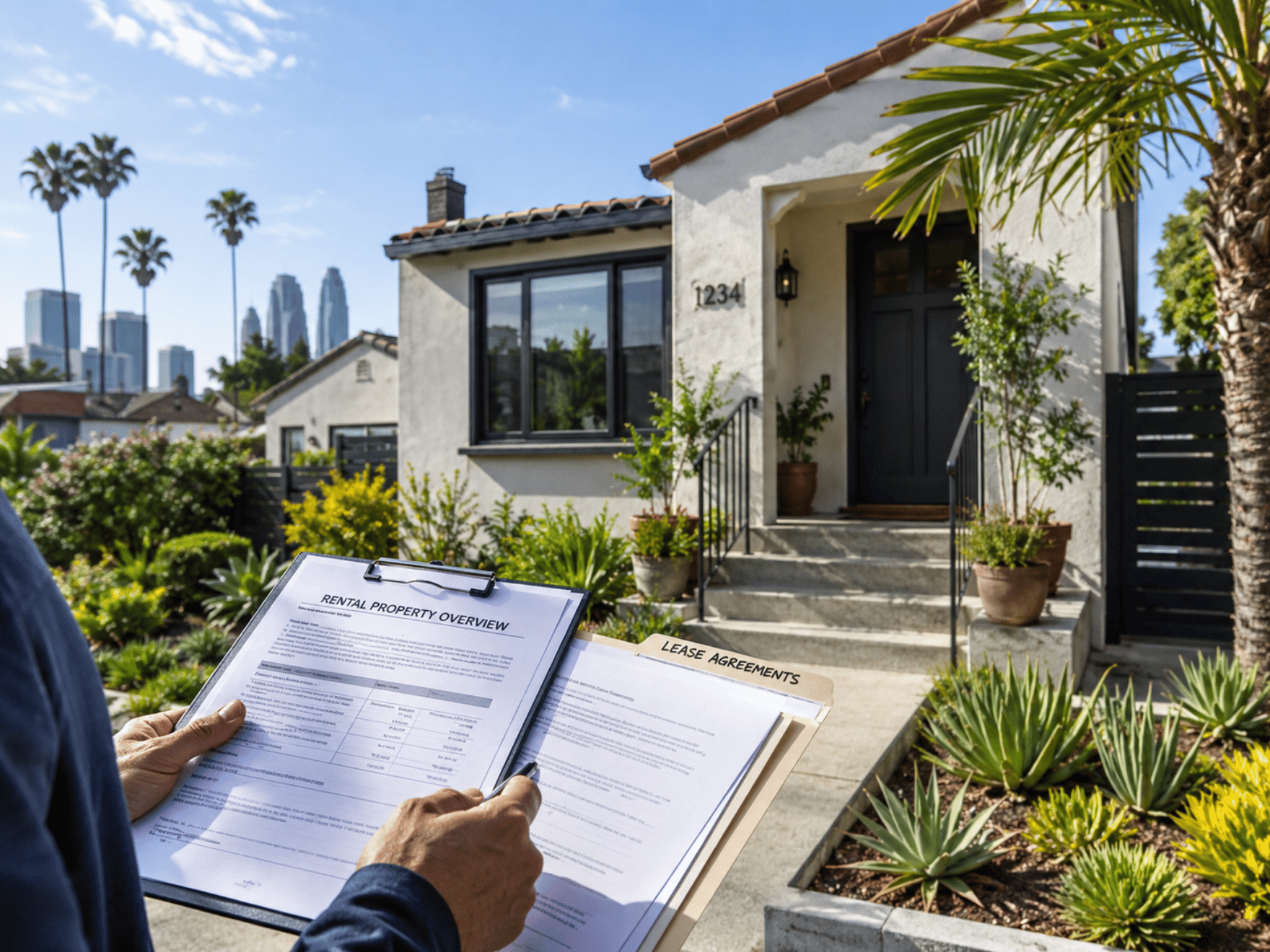
Knowing which deductions may apply is only half the job. The other half is proving what was spent, when it was spent, and why it was connected to the rental property.
Good records may include:
- Receipts
- Vendor invoices
- Bank statements
- Credit card statements
- Lease documents
- Management reports
- Work orders
- Inspection notes
- Photos of completed repairs
- Year-end owner statements
Poor recordkeeping can cause real headaches. Owners may forget expenses, misclassify repairs, lose receipts, or struggle to explain costs months later. That can lead to missed deductions or unnecessary stress during tax season.
Final Thoughts
Rental property tax deductions can make a meaningful difference for Los Angeles landlords, but they work best when owners stay organized throughout the year. Repairs, management fees, mortgage interest, insurance, professional services, advertising, screening, and depreciation should all be reviewed carefully with a CPA. Jambi Property Management helps owners keep the operational and financial pieces of rental ownership cleaner, so tax season feels less rushed and more manageable.