Rent increases are one of the more sensitive parts of owning a rental property, especially in a market like Los Angeles, where tenants are already paying close attention to housing costs. For landlords, the challenge is not only deciding whether an increase is needed, but explaining it in a way that feels fair, professional, and grounded in real business reasons.
Jambi Property Management works with rental property owners throughout the Los Angeles area, including Manhattan Beach, where expectations are high, and tenant relationships matter. A well-communicated rent increase can help protect your property’s income while reducing confusion, frustration, and unnecessary conflict.
Key Takeaways
- Tenants are more likely to understand a rent increase when it is tied to real costs, market conditions, and property needs.
- Long-term, reliable tenants may be worth a more thoughtful approach than simply pushing rent to the highest possible number.
- Clear written follow-up helps prevent misunderstandings about the new rent amount, timing, and reason for the change.
- Local rental owners should review applicable rent rules before sending any notice or renewal update.
- A professional communication process can protect both the landlord’s cash flow and the tenant relationship.
Why Rent Increase Communication Matters
A rent increase is not just a number change. It is a business conversation with a person who lives on the property.

When the message is handled poorly, tenants may feel blindsided, undervalued, or suspicious of the landlord’s motives. When it is handled well, the tenant may still dislike the increase, but they are more likely to understand the reason behind it.
For Los Angeles landlords, this matters because turnover can be expensive. Vacancy, cleaning, repairs, advertising, showings, and leasing time can quickly eat into the extra income a higher rent was supposed to create. Keeping a good tenant, even at slightly below full market rent, can sometimes be the better financial decision.
That is why the explanation needs to be calm, direct, and supported by facts.
Start With the Business Reason, Not the Personal Decision
The most important step is framing the rent increase as a response to property costs and market conditions, not as a personal choice aimed at the tenant.
A strong explanation might focus on:
- Higher insurance costs
- Increased repair and maintenance expenses
- Utility or service cost changes
- Property tax pressure
- Local market rent changes
- Ongoing improvements to the rental property
Rental property owners should already be tracking these costs as part of their overall investment planning. Common rental expenses can include maintenance, insurance, property taxes, and other ownership costs, which are also part of how owners evaluate rental property expense deductions.
The goal is not to overwhelm the tenant with a spreadsheet. The goal is to show that the increase is connected to real operating conditions.
A tenant may not be happy to pay more, but most people understand that property costs do not stay flat forever.
Use Market Context Carefully
Market rent is one of the most common reasons for an increase, but it needs to be explained carefully.
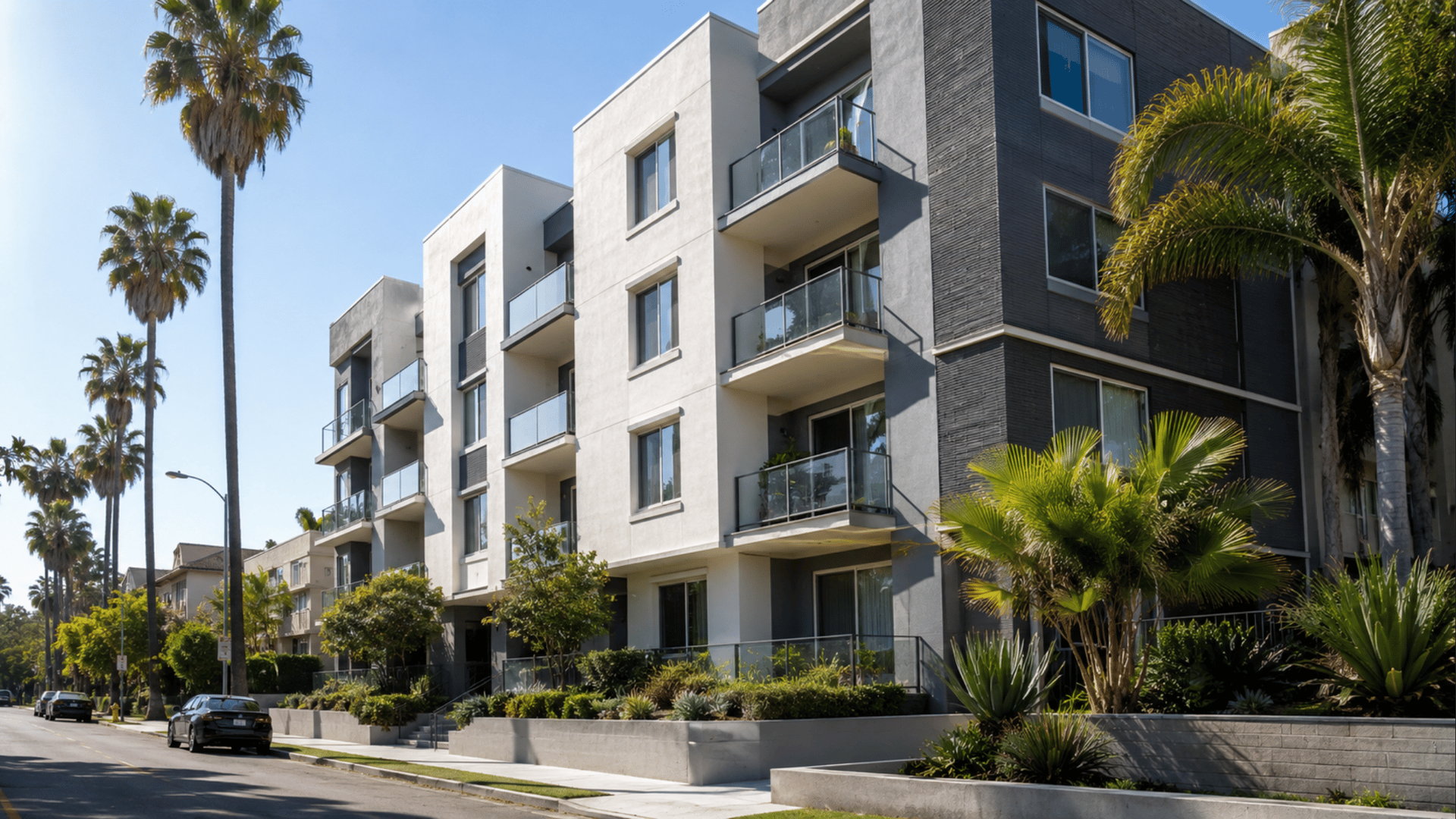
For example, if similar homes nearby are renting for $8,000 per month and your tenant is currently paying $7,000, that gap gives useful context. It shows the tenant that the increase is not random. It also helps explain why the rent needs to move closer to the current market.
That said, landlords should avoid making the conversation sound like a threat. Saying “we could get more from someone else” is not helpful. A better approach is:
“Similar rentals in the area are currently leasing at higher rates, and we are adjusting the rent to better reflect the current market while still taking your tenancy history into account.”
This keeps the tone professional. It also shows the tenant that you are considering both the market and the relationship.
Rental owners can also use broader market resources to understand rent trends and compare rental demand. Housing data tools that track rental market movement over time can help owners avoid relying only on guesswork or one-off listings.
Balance Market Rent With Tenant Value
Not every rent increase should be pushed to the absolute maximum.
A tenant who pays on time, takes care of the home, communicates well, and stays long term has real value. That tenant may save you thousands of dollars in vacancy and turnover costs.
This is especially important in higher-value rental markets like Manhattan Beach and the surrounding Los Angeles area. A reliable tenant in a well-maintained property can be a major asset.
Before setting the final increase, ask:
- Has the tenant paid consistently?
- Has the tenant taken good care of the property?
- How long would it take to replace them?
- What repairs or updates would be needed if they moved out?
- Would a larger increase create unnecessary turnover risk?
This is where property management becomes more than collecting rent. It is about protecting long-term performance. Owners who understand rental property financing and investment strategy know that steady income and lower turnover can be just as important as reaching top market rent.
Explain the Increase With Transparency

Tenants usually get frustrated when an increase feels unexplained or sudden. Transparency can reduce that reaction.
A good rent increase explanation should include:
- The new rent amount
- The current rent amount
- The effective date
- A simple reason for the change
- Any relevant market or cost context
- Appreciation for the tenant, when appropriate
For example:
“We value the care you have taken with the property and your consistent payment history. Due to increased ownership costs and current rental market conditions in the area, the monthly rent will be adjusted from $7,000 to $7,400 beginning on [date]. This adjustment keeps the rent below similar nearby rentals while helping offset rising property expenses.”
That kind of message is firm, but respectful.
It also avoids making the tenant feel like they are being punished.
Put the Details in Writing
A verbal conversation can be helpful, but it should never be the only communication.
After discussing the increase, follow up in writing. This creates a clear record and reduces the chance of confusion. The written notice or renewal communication should be simple, professional, and easy to understand.
It should include:
- Tenant name
- Property address
- Current rent
- New rent
- Effective date
- Brief reason for the change
- Any next steps required from the tenant
Written communication also helps landlords stay organized, especially if they manage more than one rental property.
This is also a good time to review whether the property is subject to any local or state rent rules. Los Angeles rental regulations can be complex, and rules may vary depending on the property type, location, and lease situation. Owners should make sure their notice process is handled properly before sending anything formal.
Avoid These Common Mistakes

A rent increase can go sideways quickly when the message is careless. Landlords should avoid:
Making it sound personal
Do not frame the increase as something you “want” to do. Frame it around property costs, market conditions, and responsible ownership.
Providing no explanation
A bare notice with only a new rent amount can feel cold. Even a short explanation can make the communication feel more professional.
Comparing too aggressively
Market comparisons are useful, but do not make the tenant feel disposable.
Ignoring good tenant history
A strong tenant relationship has financial value. Losing a reliable tenant over an overly aggressive increase can cost more than the increase earns.
Waiting until the last minute
Give tenants enough time to understand the change, ask questions, and plan ahead.
Think Like an Investor, Not Just a Landlord
Rent increases should support the long-term health of the investment. That means looking at income, expenses, tenant quality, and risk together.
Real estate investors often measure property performance by looking at how much income remains after operating costs. Tracking operating expenses against rental income can help owners understand whether rent adjustments are needed to keep the property financially stable.
This is also where tax planning, maintenance budgeting, and long-term ownership strategy all connect. Owners who stay organized with rental property tax deductions are often better prepared to explain why rental income needs to keep pace with expenses.
A rent increase should not be a guess. It should be part of a bigger plan to keep the property profitable, maintained, and legally compliant.
Keep the Conversation Professional
Even when the tenant reacts emotionally, the landlord should stay calm.

A good response might sound like:
“I understand this is not easy news. We have tried to keep the adjustment reasonable while accounting for rising costs and current rental conditions. I’m happy to walk through the timing and details with you.”
That tone matters. It shows confidence without being dismissive.
Professional communication also protects the owner’s reputation. In a competitive rental market, landlords who handle difficult conversations respectfully are more likely to attract and keep quality tenants.
It is also important to avoid informal side agreements or unclear promises. If terms change, update them in writing.
Rent Increases and Long-Term Risk
Rent adjustments are one part of protecting a rental property, but they should not be viewed in isolation.
Landlords also need to think about tenant screening, lease structure, maintenance standards, documentation, and legal risk. Poor communication or weak processes can create problems that are much bigger than a rent increase conversation.
For example, owners should understand how tenant rights and occupancy issues can affect property control. Reviewing topics like squatter rights for California landlords can help owners think more carefully about documentation, lease compliance, and property oversight.
The stronger your systems are, the easier it becomes to manage rent changes without unnecessary stress.
Final Thoughts
Explaining a rent increase in Los Angeles takes more than sending a notice with a higher number. It requires clear reasoning, respect for the tenant relationship, awareness of market conditions, and proper written follow-up. Jambi Property Management helps owners approach rent adjustments, renewals, and tenant communication with the structure needed to protect both cash flow and long-term property performance.