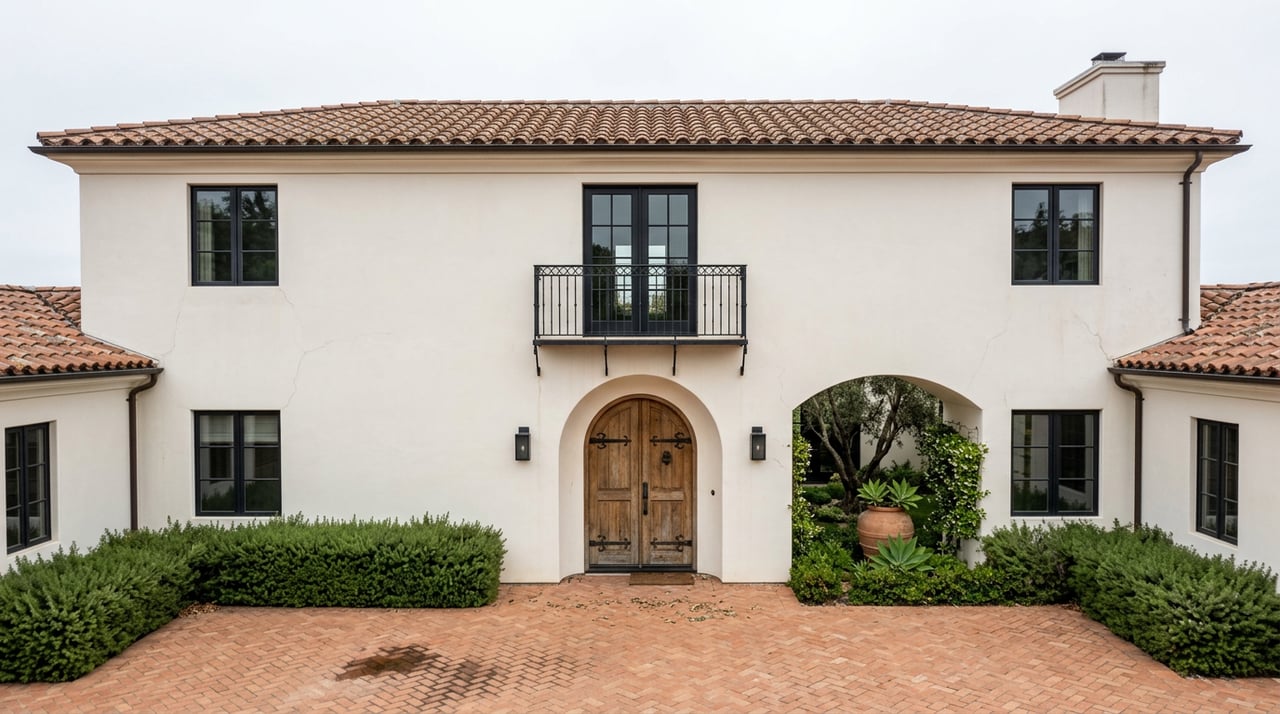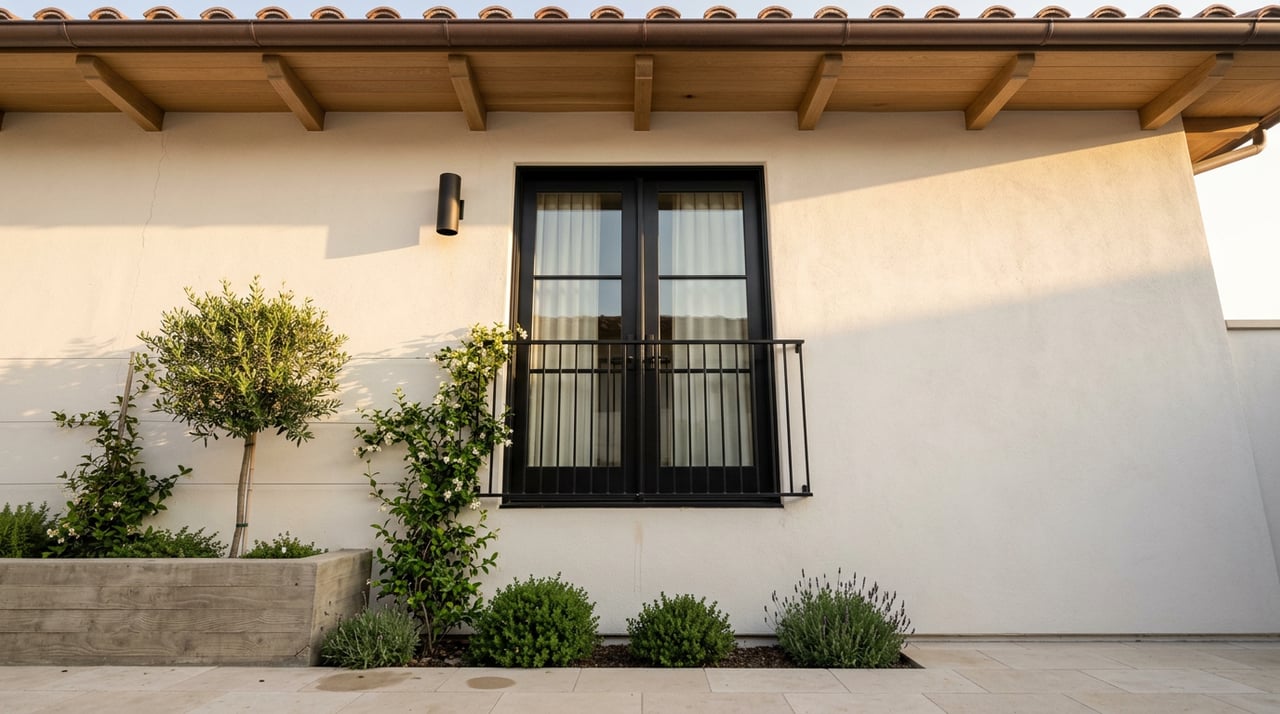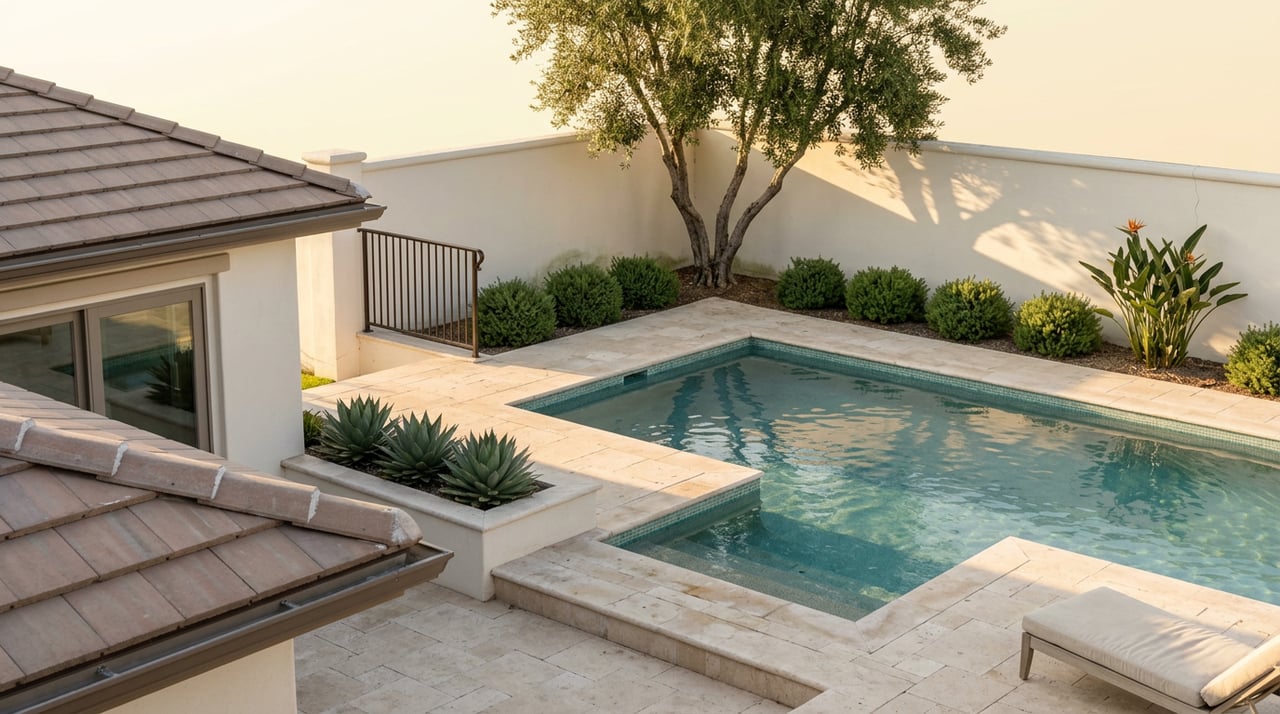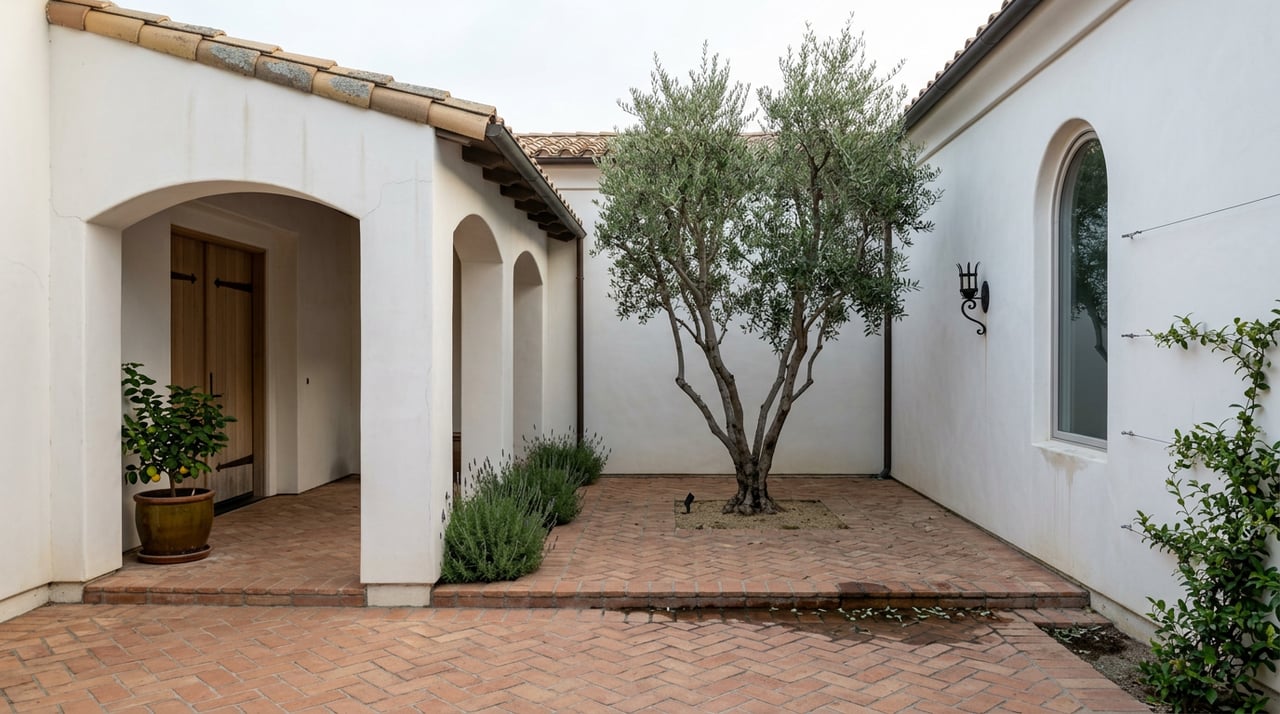
If you own a rental property in Hermosa Beach, you already know the address does a lot of the heavy lifting. This is a small coastal city with strong lifestyle appeal, but that does not mean every rental strategy works equally well. If you want better results, you need to understand what renters value here, how local rules shape your options, and what details can make your property easier to lease and manage. Let’s dive in.
Why Hermosa Beach draws renters
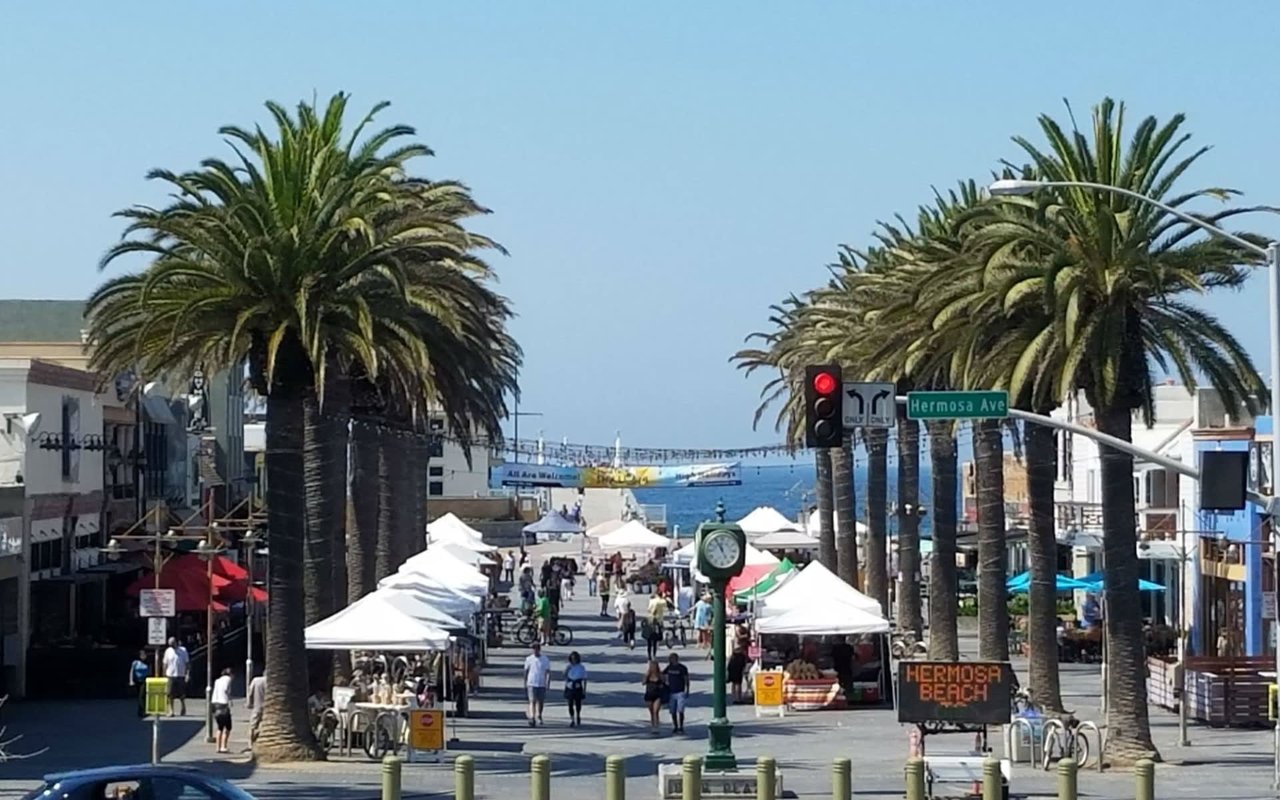
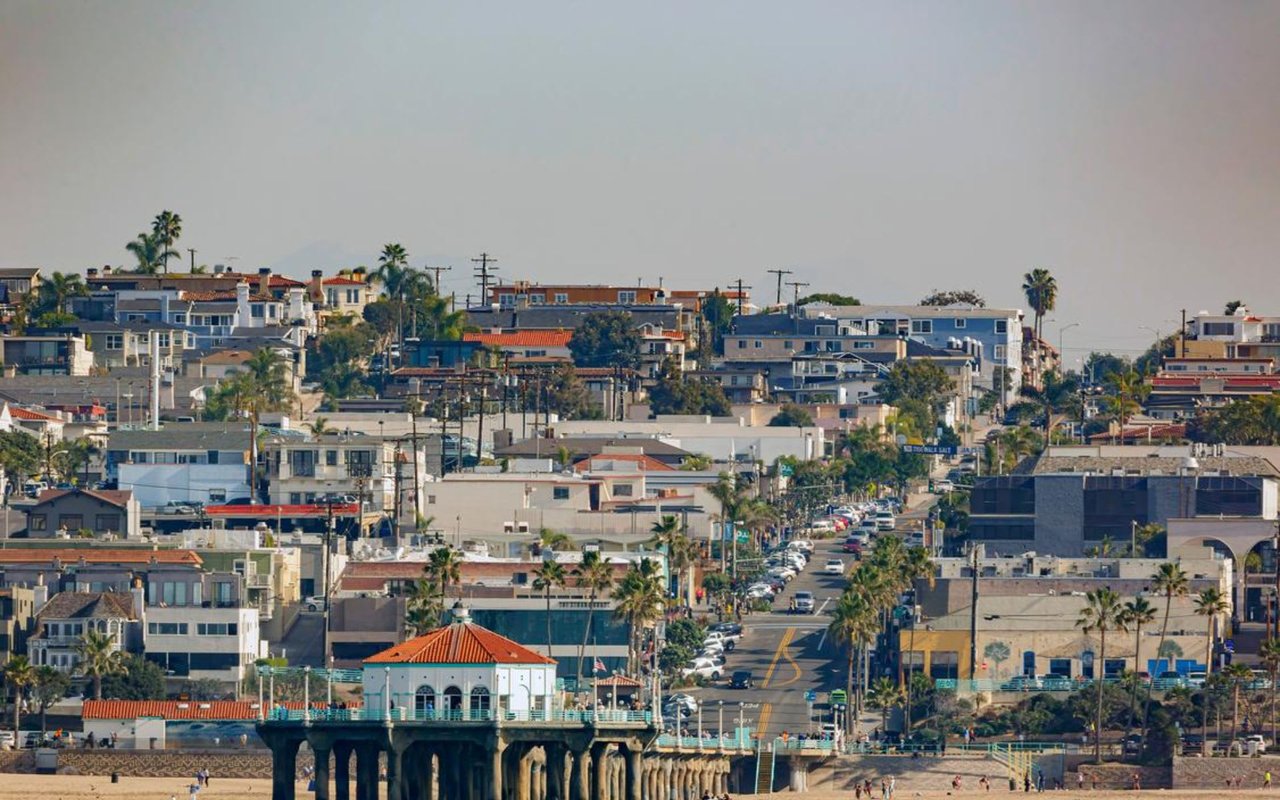
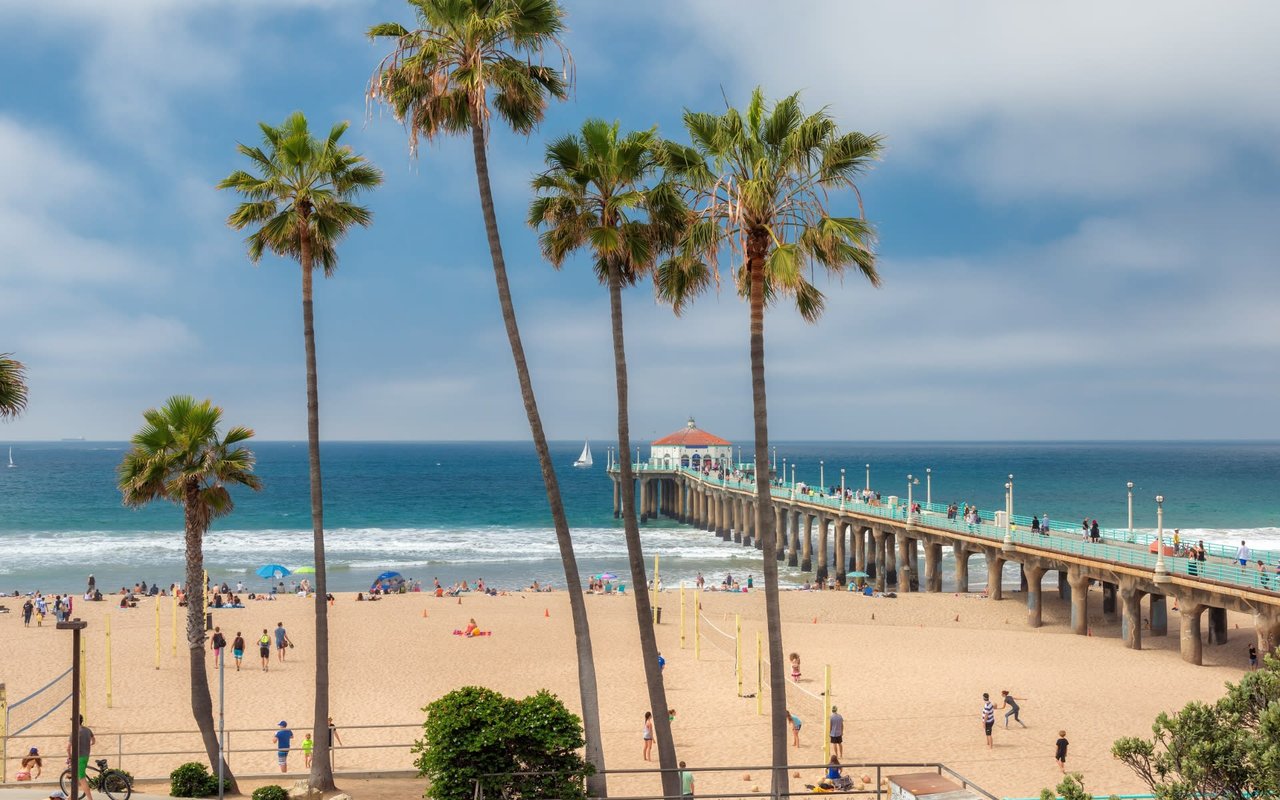
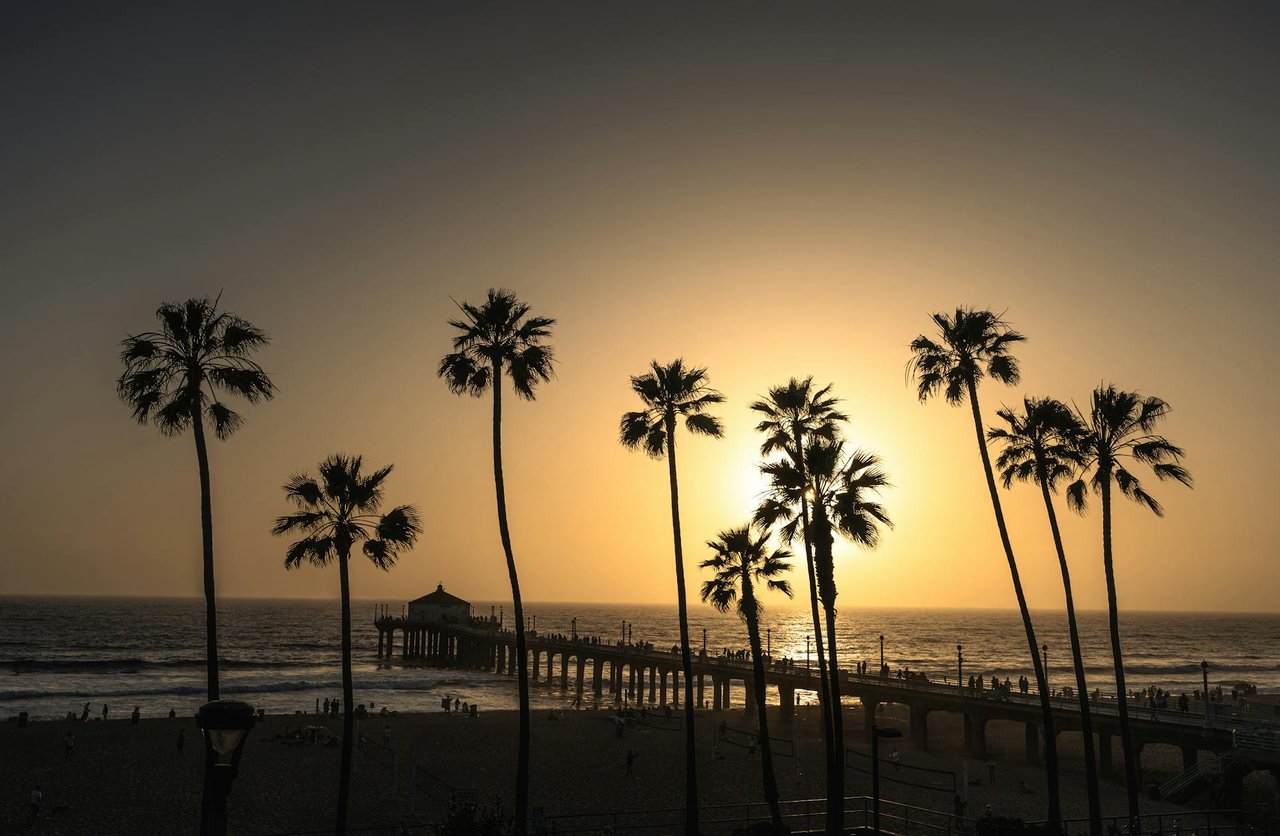
Hermosa Beach packs a lot into just 1.4 square miles. The city has nearly 20,000 residents, about 283 sunny days each year, two miles of shoreline, and more than a million annual beach visitors. For renters, that combination creates a strong everyday lifestyle draw that goes beyond just being near the water.
The city also points to Downtown, Pier Avenue, and Pier Plaza as active dining and retail areas. That matters because many renters are not only looking for a home. They are also looking for convenience, walkability, and easy access to the places they use on a regular basis.
Beach access is another big part of the story. The Strand connects to the 22-mile Marvin Braude Bike Trail, and Hermosa Beach has 22 walk streets linking Hermosa Avenue to the beach, with access points generally no more than 300 feet apart in most of the city. In practical terms, renters often see location here through a lifestyle lens.
What renters may want by area
Sand Section rentals
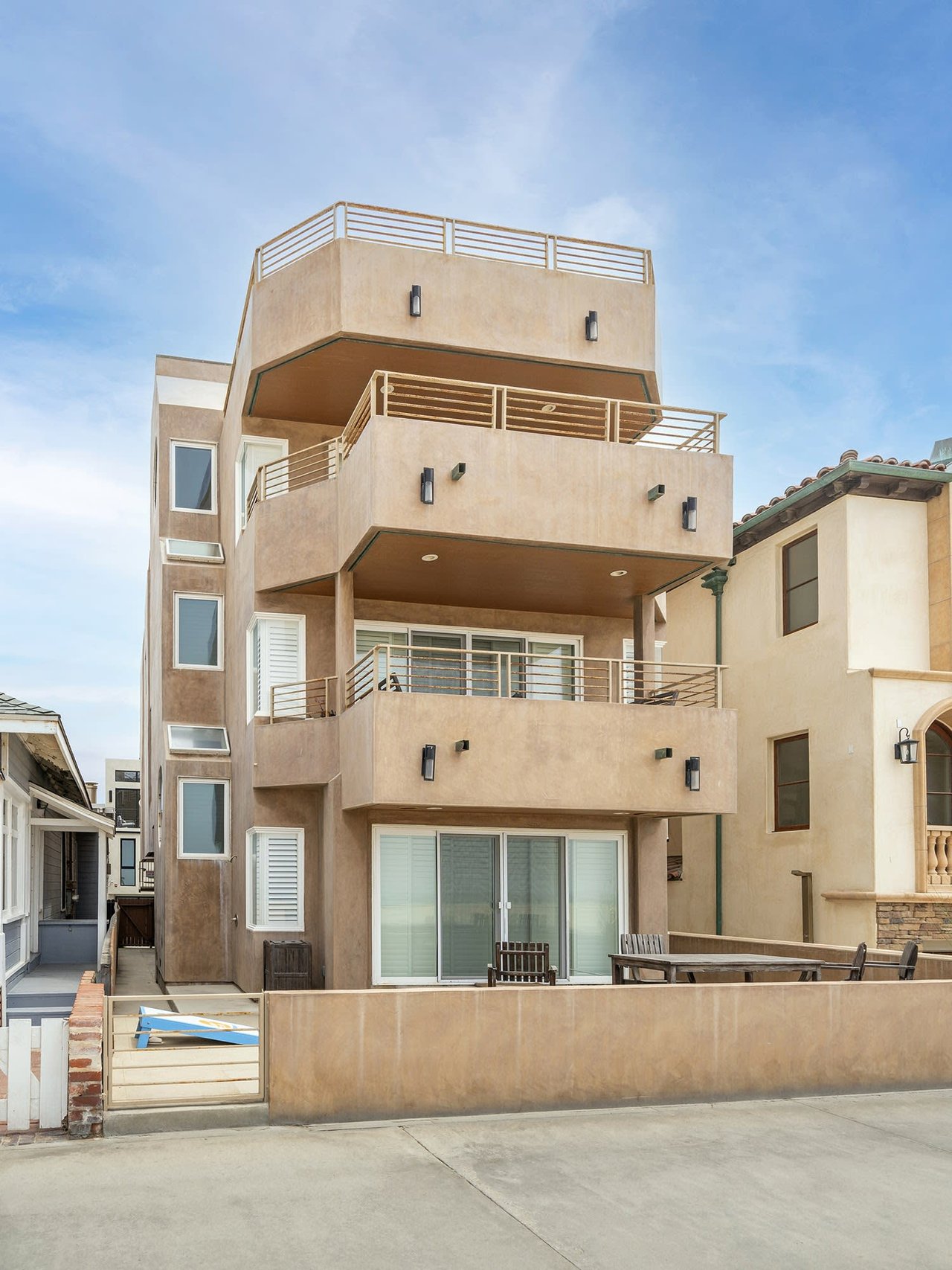
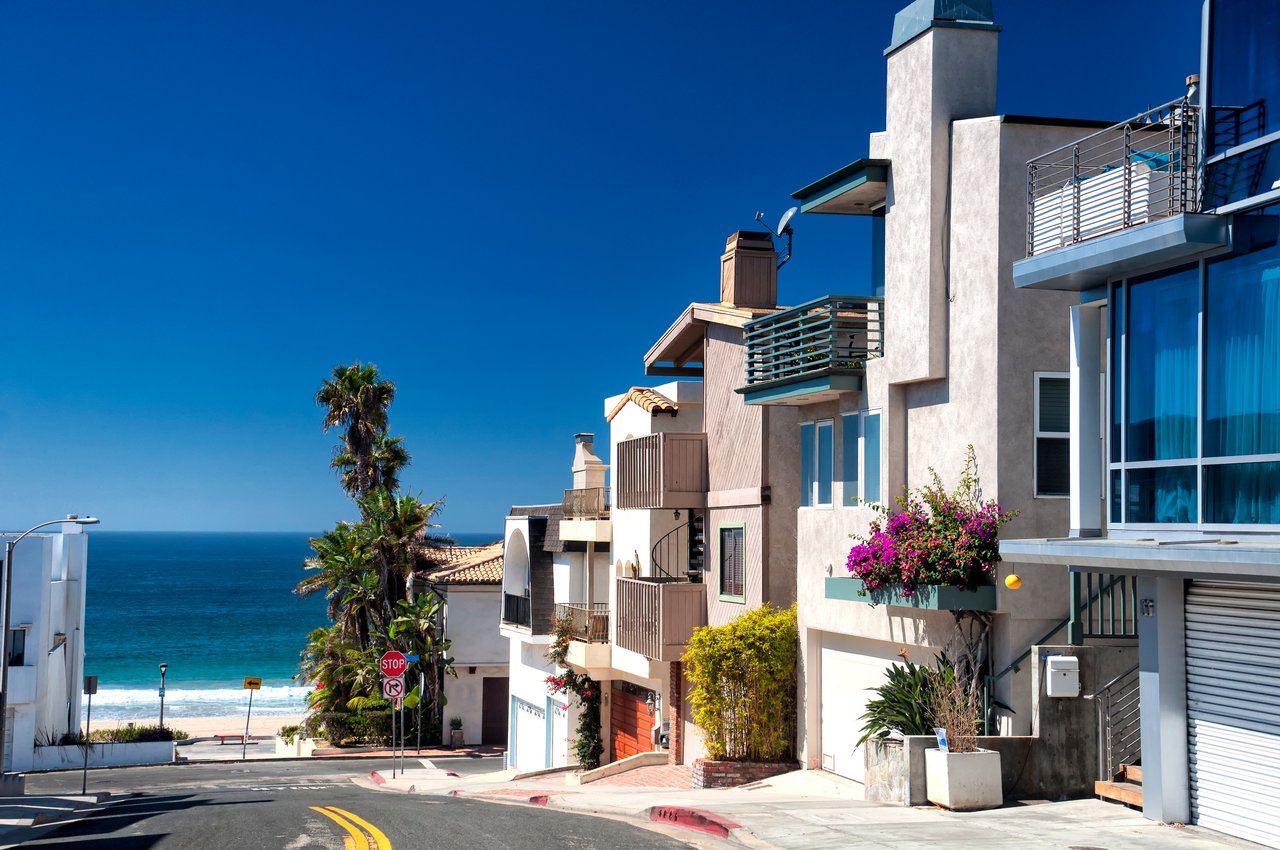
Hermosa Beach planning documents describe the Sand Section as compact and pedestrian-friendly. The area includes a mix of housing types, neighborhood commercial services, small-scale apartments near single-family homes, rear or alley parking, and bicycle boulevards that support east-west beach access.
For owners, that usually means the Sand Section aligns well with renters who want a walkable, beach-focused experience. If your property is close to the shoreline, The Strand, or the commercial core, your marketing should clearly show how that location supports daily living.
Valley area rentals
The Valley neighborhood is described by the city as lower density, with mostly one- to two-story single-family homes. The Valley Greenbelt and Valley Park are key local amenities, and the area reads as more residential in form.
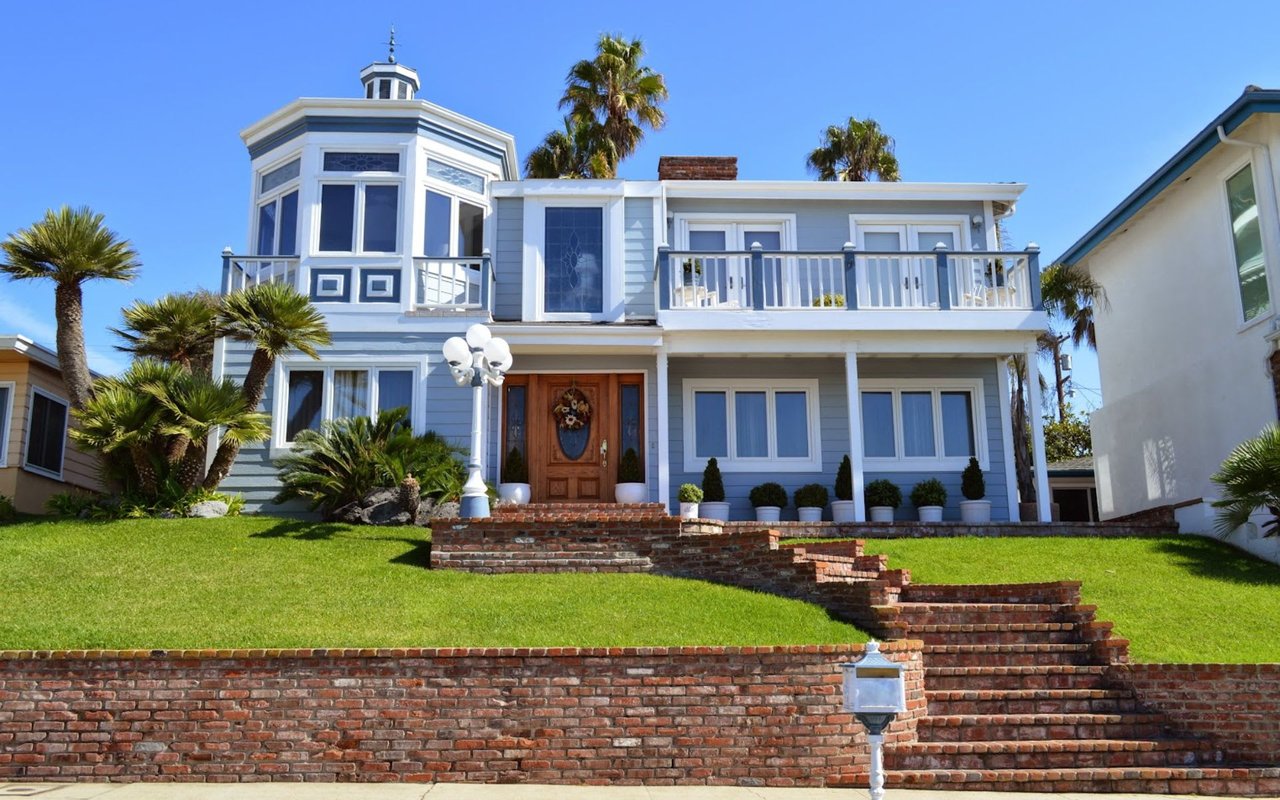
From an ownership standpoint, Valley-area homes may appeal to renters looking for more space and a quieter setting than the beach-adjacent core. That does not make one area better than another. It simply means your pricing, presentation, and tenant targeting should match the property’s setting and layout.
Why presentation matters here
In Hermosa Beach, square footage is only part of the value story. The city’s layout, beach access, and walkable commercial areas mean renters often judge a home by how easy it feels to live in, not just how large it is.
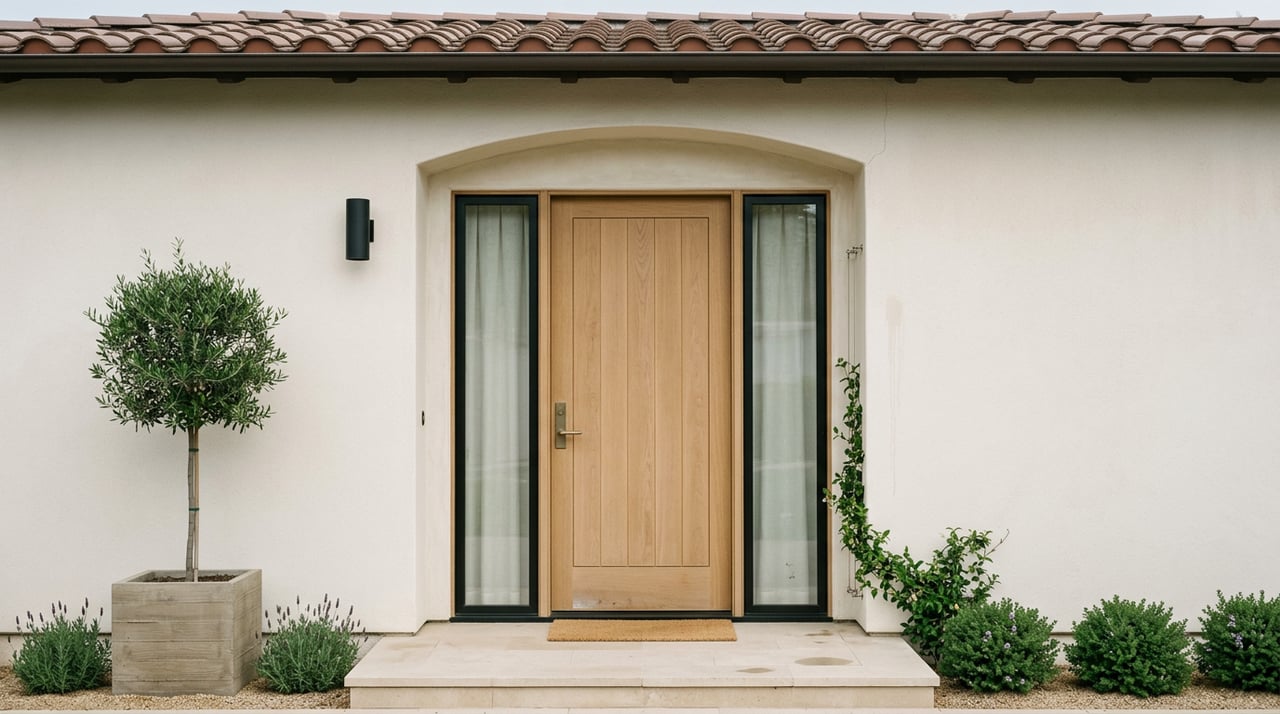
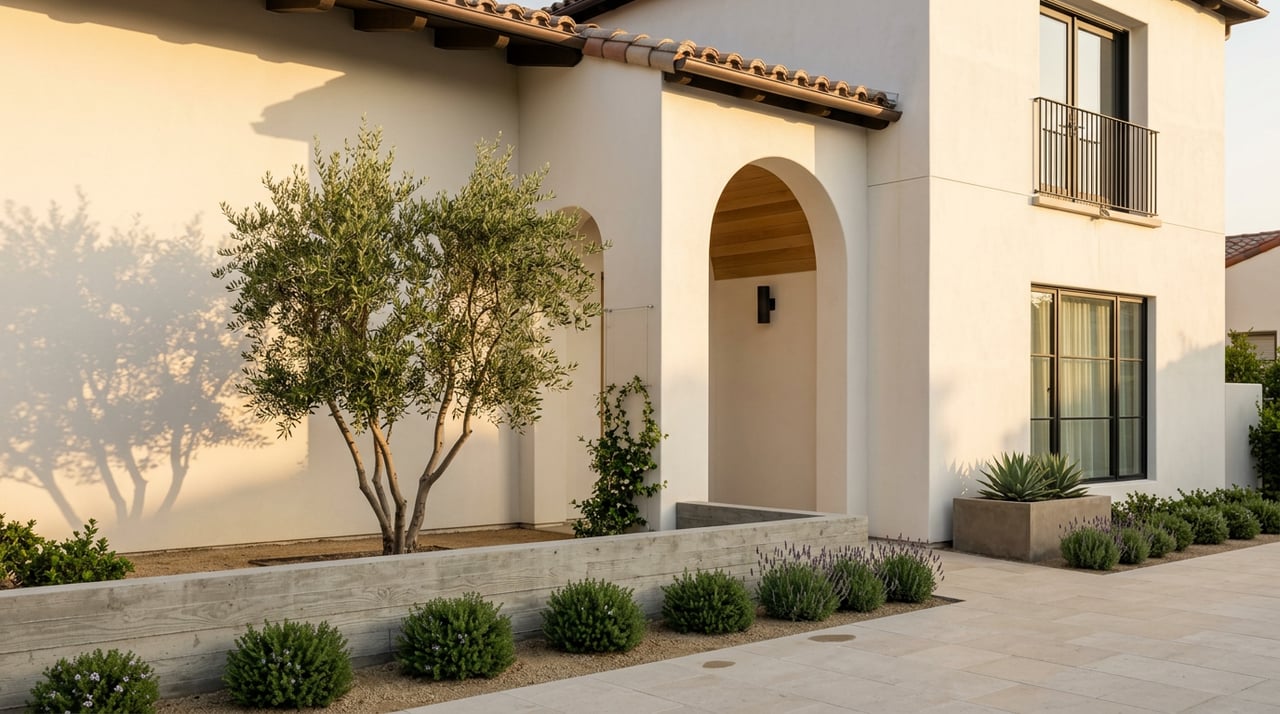
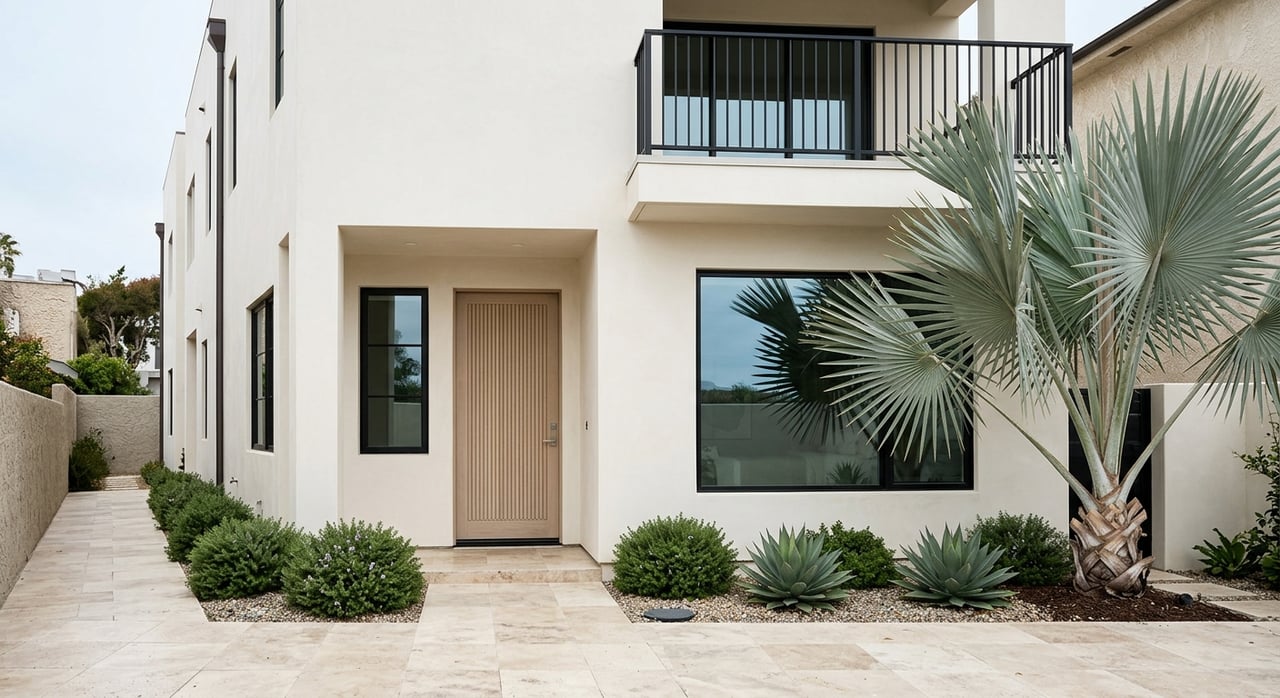
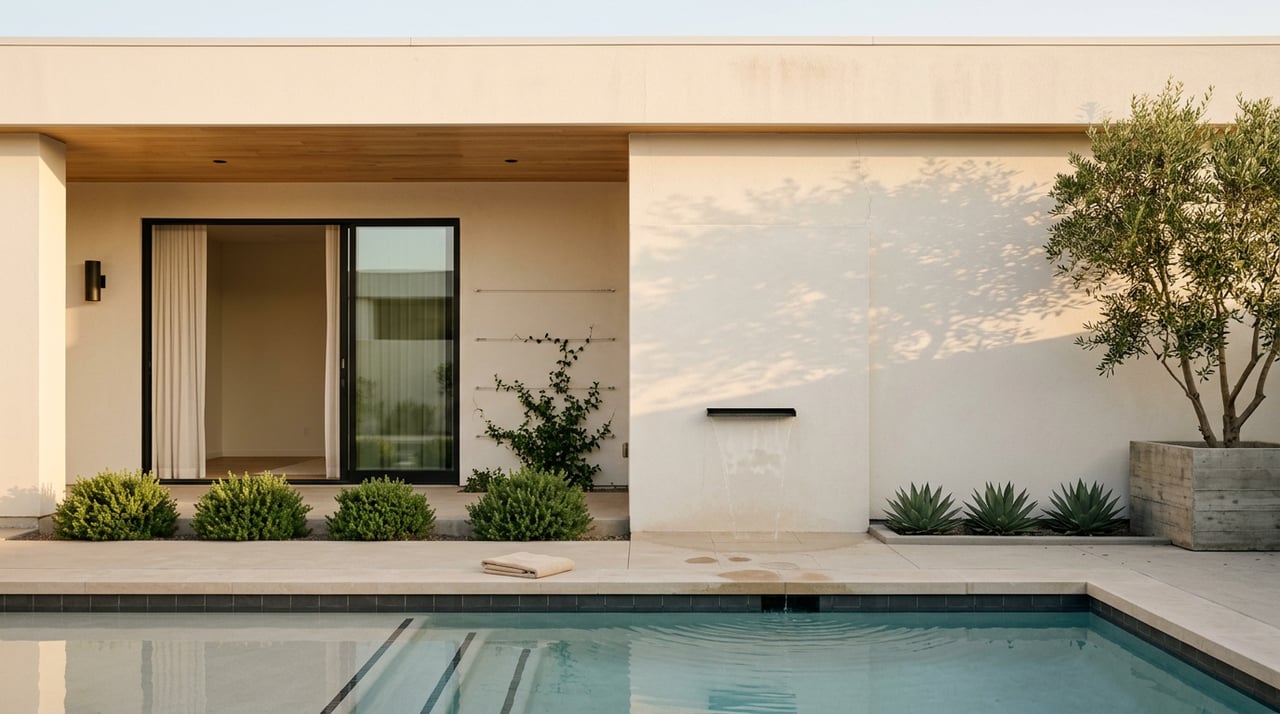
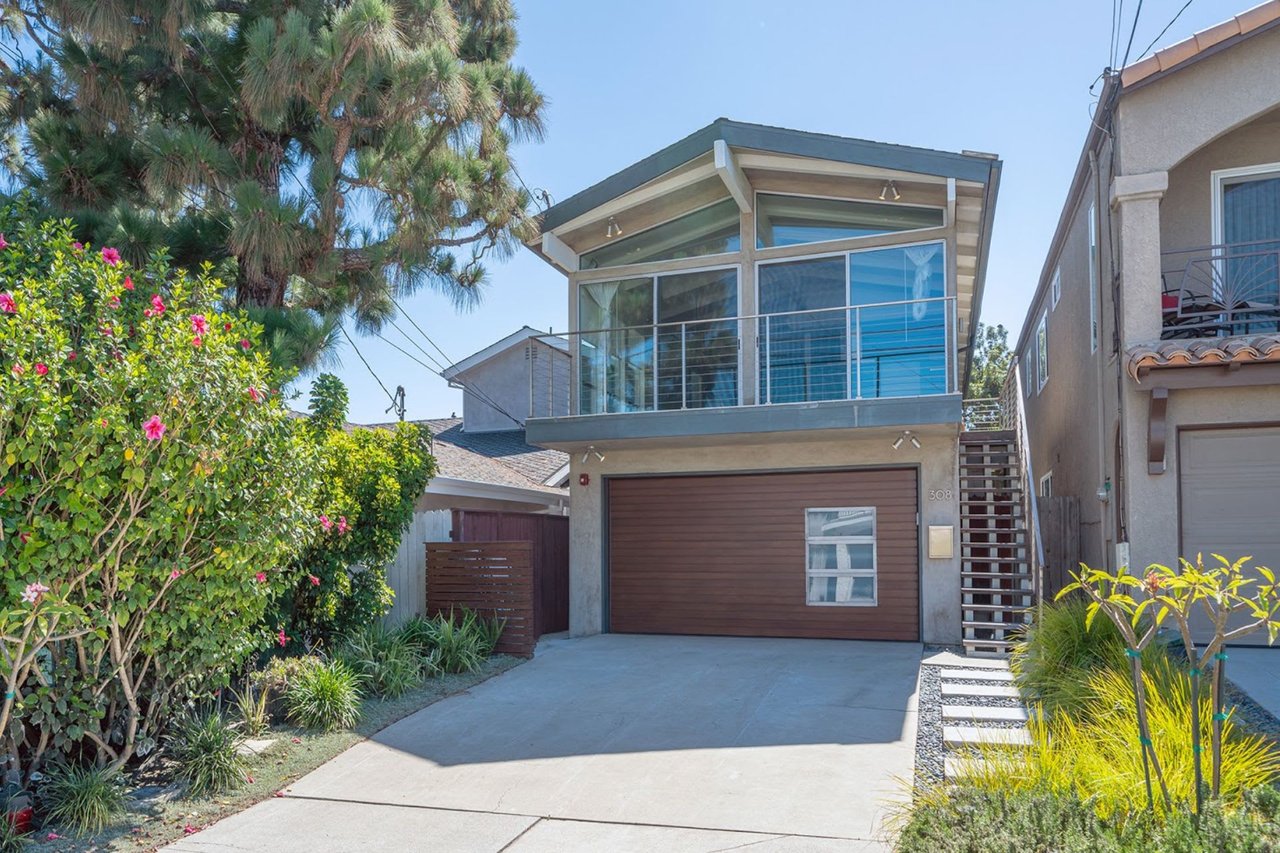
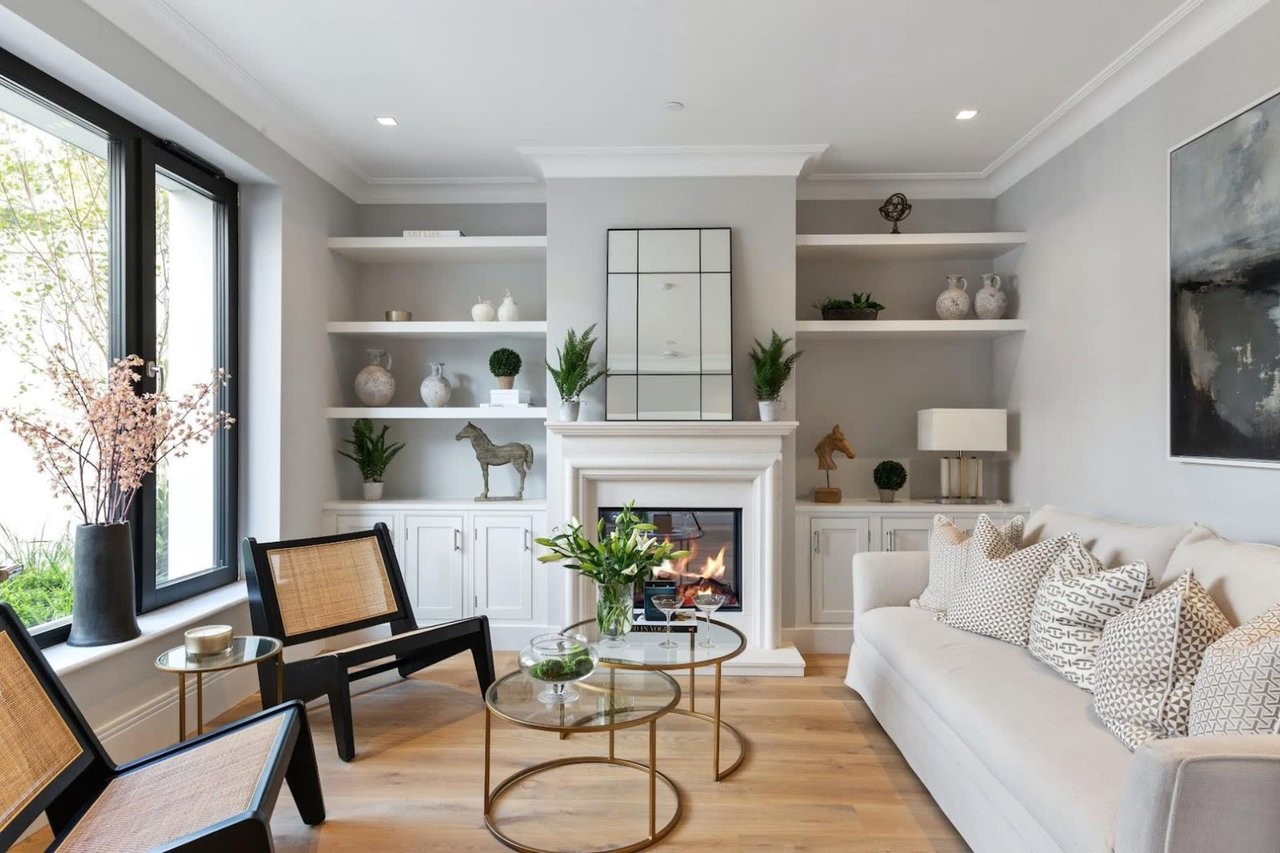
That is why well-presented rentals can stand out when they offer practical features that support coastal living. Owners often benefit from focusing on details like:
- Easy and clearly explained parking
- Low-maintenance finishes
- Usable outdoor space
- Functional layouts for beach-day routines
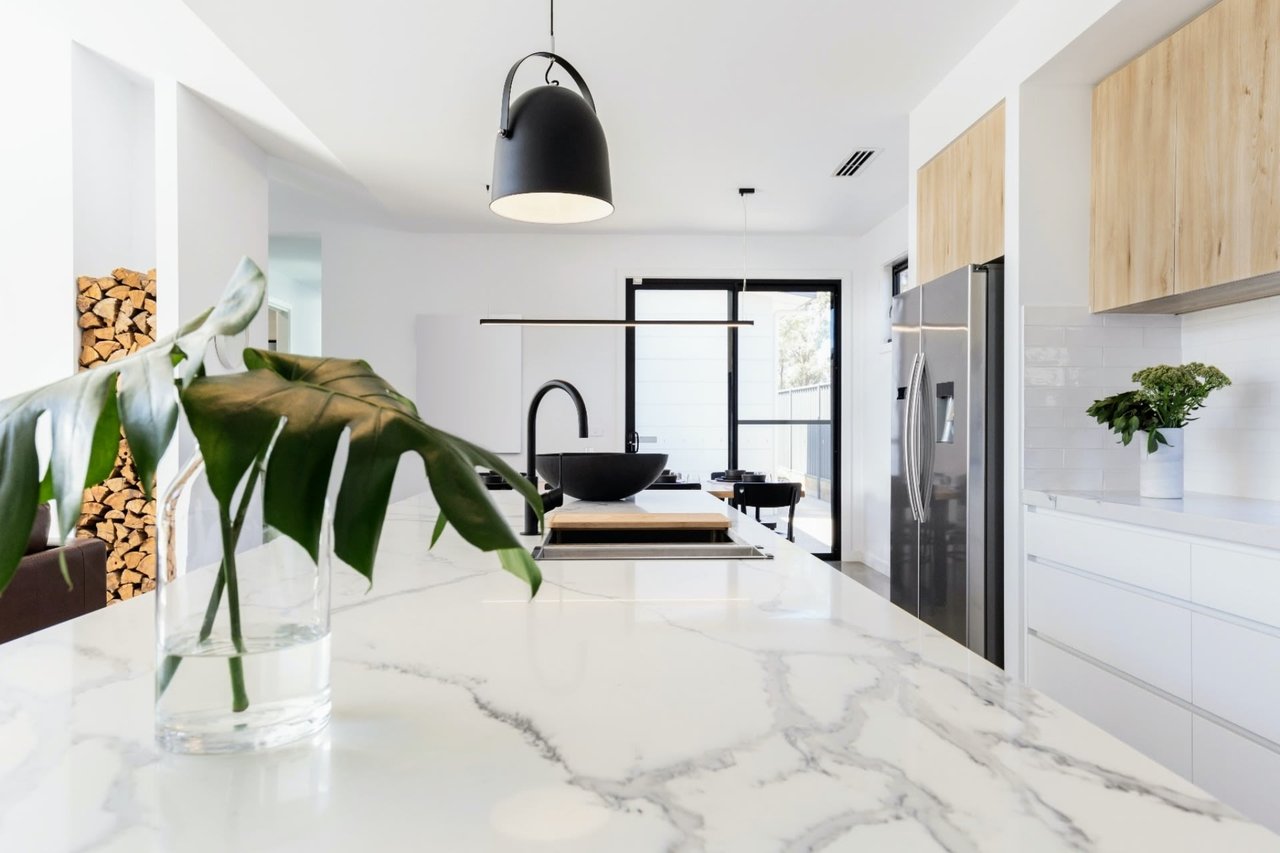
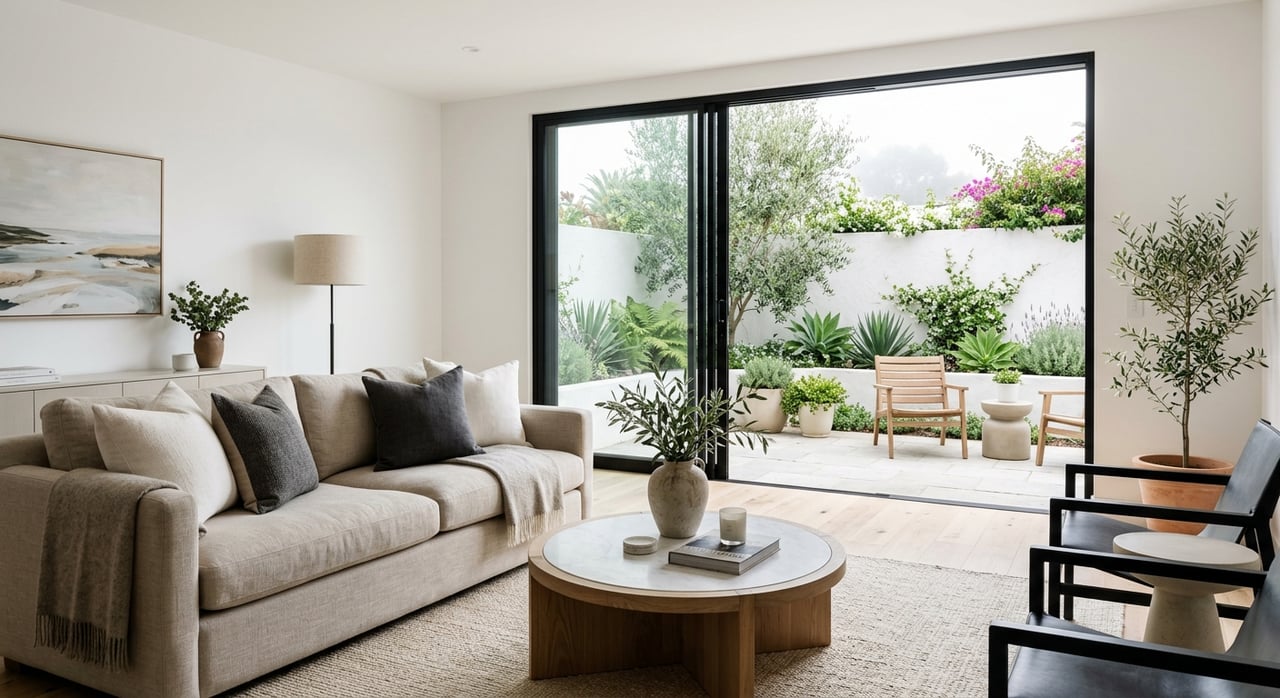
- Clean, bright presentation that fits the coastal setting
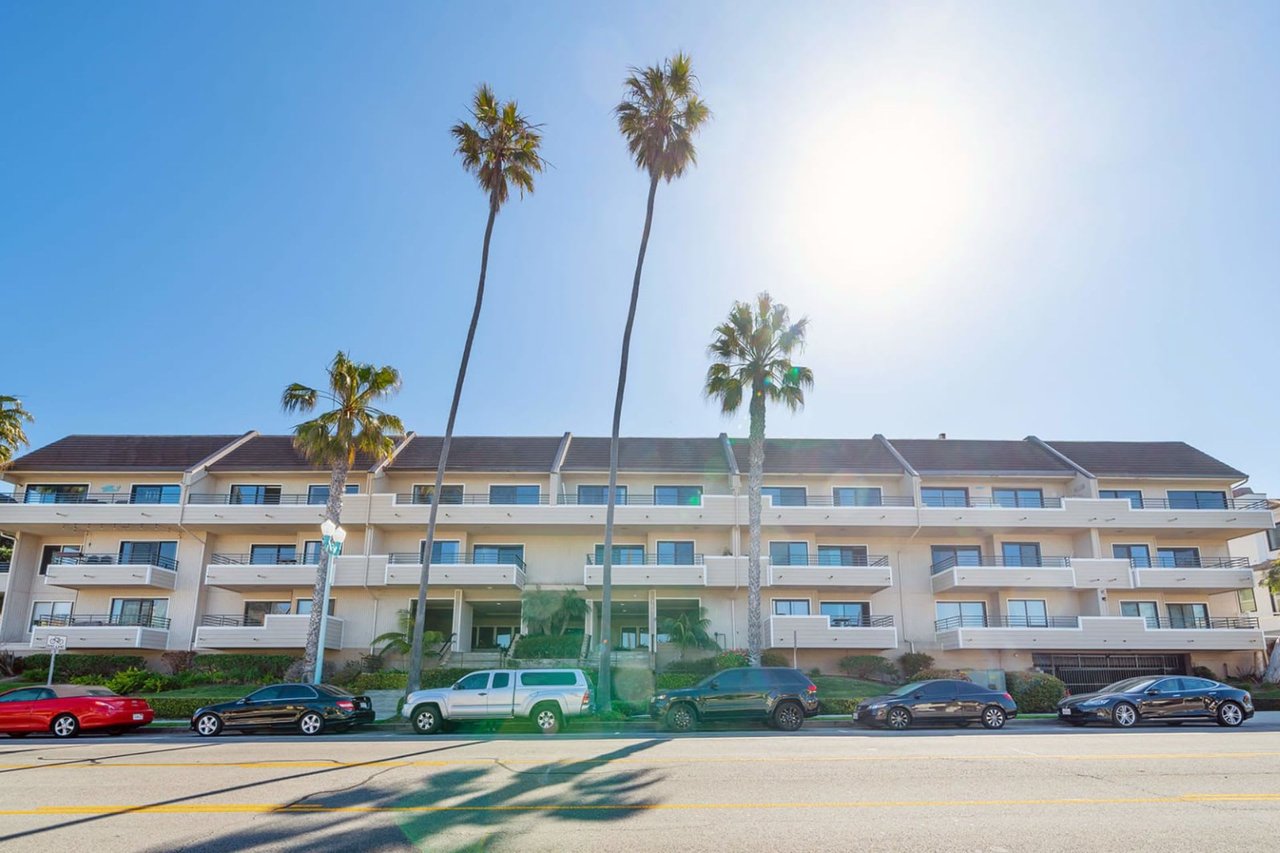
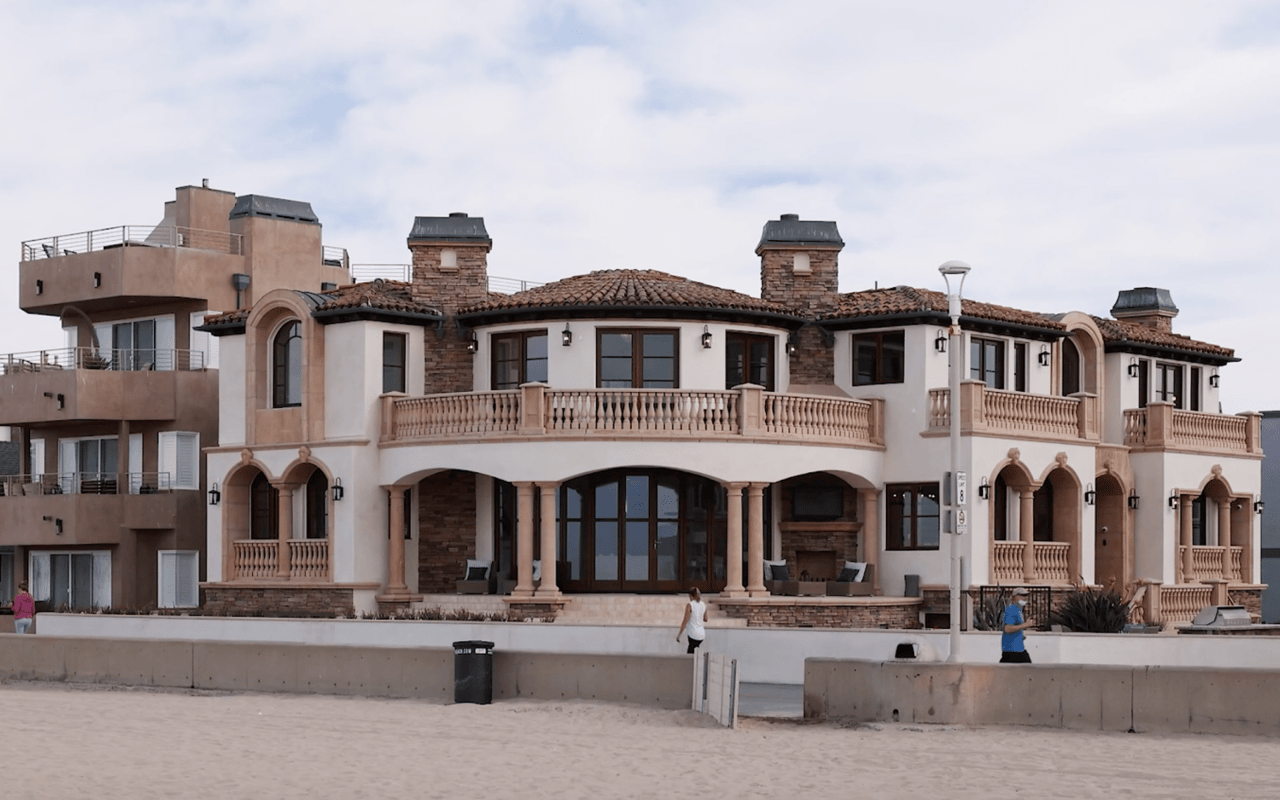
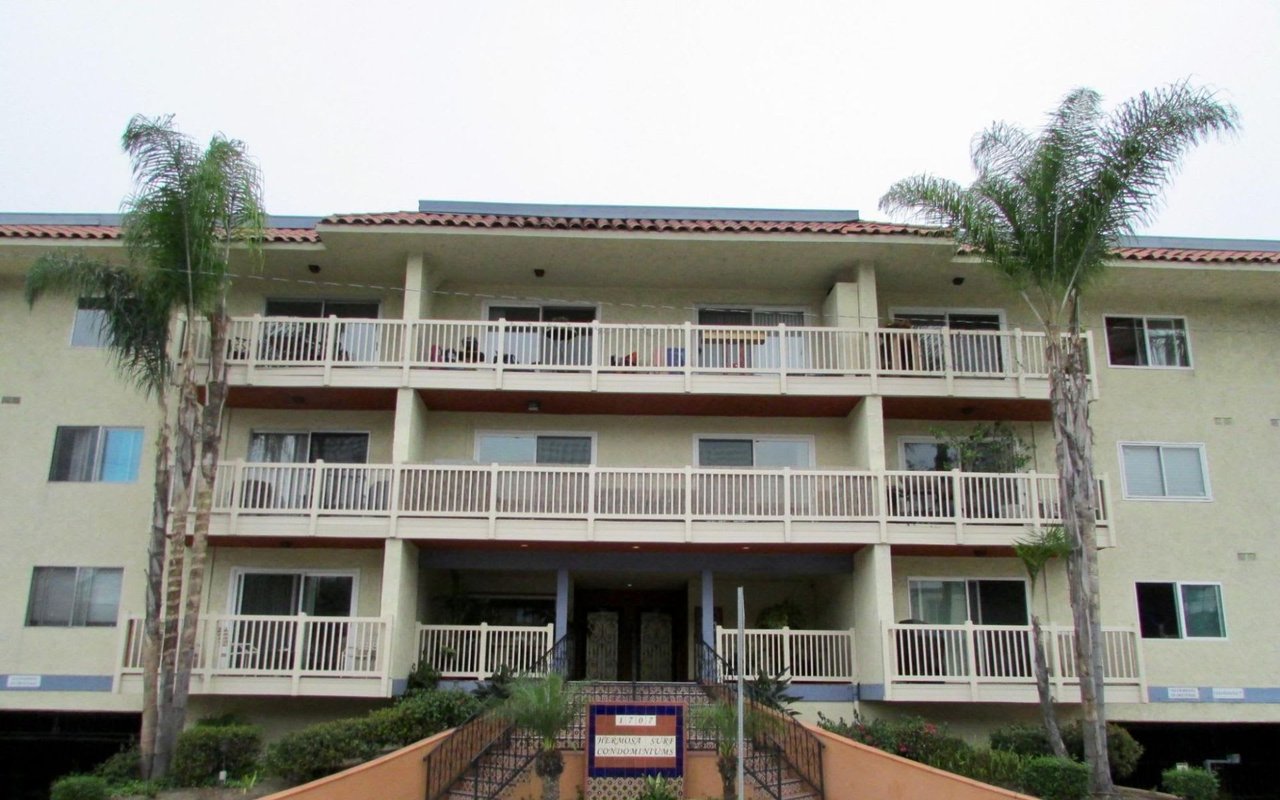
For higher-end single-family homes, condos, and townhomes, these details can have an outsized impact. In a market like Hermosa Beach, convenience and lifestyle fit often matter as much as raw size.
Parking is part of the product
Parking is not a side issue in Hermosa Beach. The city maintains public lots, metered street parking, and residential permit systems around the beach and downtown, and it also notes that parking permits do not guarantee a space.
For tenants, that makes parking a real quality-of-life issue. For owners, it means you should treat parking as part of the rental offering from day one, not something to explain later.
If your property includes a garage, driveway, tandem setup, alley access, or permit-related considerations, spell that out clearly in your marketing and leasing process. Clear communication can help avoid frustration and set better expectations before move-in.
Long-term rental rules to know
For most long-term rentals in California, the Tenant Protection Act, also known as AB 1482, sets the baseline. According to the California Attorney General, the law caps annual rent increases at 5% plus CPI or 10%, whichever is lower, and requires just-cause protections after 12 months for many covered properties.
The state also notes that the law applies to most residential rentals, with common exemptions that may include some single-family homes not owned by a corporation or REIT, owner-occupied duplexes, and newer buildings within the 15-year lookback. Rent-increase notices must be in writing, and most security deposits are capped at one month’s rent.
Because coverage can depend on the property type and ownership structure, owners should approach rent changes, notices, and lease terms carefully. In Hermosa Beach, compliance is not just paperwork. It is part of protecting income and reducing avoidable risk.
Short-term rentals need extra care
Short-term rental rules in Hermosa Beach are more complex and have changed recently. The city’s code enforcement page says rentals under 30 days are prohibited in residential zones citywide, while the city’s June 4, 2026 update says short-term vacation rentals are now allowed in the coastal zone and in commercial zones previously covered by the pilot program, with a city business license and Transient Occupancy Tax required.
The city states that the Transient Occupancy Tax is 14%. Because the rules are zone-specific and evolving, owners should be very careful before assuming a property can be used for short-term stays.
For many owners, this is one reason long-term leasing remains the clearer path. A stable long-term strategy may offer a more predictable management experience than trying to navigate changing short-term rules in a tightly regulated beach market.
ADUs are not a short-term workaround
If your property includes an accessory dwelling unit, it is important to understand the local limits. Hermosa Beach states that ADUs must be rented for at least 30 days.
The city also says owner-occupancy is required for single-family zones starting January 1, 2025. For owners thinking creatively about rental use, that means an ADU should be viewed within Hermosa Beach’s long-term housing framework, not as an easy path into short-term vacation rental activity.
A practical ownership strategy in Hermosa Beach
Owning a rental property in Hermosa Beach often works best when you keep the strategy simple and disciplined. This market rewards owners who understand the lifestyle appeal of the location, present the property well, and stay on top of local operating rules.
A good starting framework looks like this:
- Match the rental plan to the property’s location and layout
- Highlight walkability, beach access, or residential feel based on the area
- Treat parking as a major leasing detail
- Follow California rent and notice rules carefully
- Be cautious with short-term rental assumptions
- Manage ADUs based on the city’s stated rental requirements
That approach is especially important for higher-end coastal homes, condos, and townhomes. In an upscale market, small mistakes in pricing, communication, or compliance can be expensive.
Why professional management can help
Hermosa Beach rentals can look straightforward from the outside, but the day-to-day ownership experience often depends on execution. Pricing needs to reflect the property’s location and lifestyle value. Marketing needs to communicate the right details. Screening, lease preparation, inspections, maintenance coordination, and reporting all need to be handled consistently.
That is where a boutique, full-service approach can make a real difference. For owners who want to protect a high-value asset, reduce vacancy, and avoid management stress, having local guidance and strong systems in place can make ownership much smoother.
If you are weighing how to lease, manage, or position your Hermosa Beach rental, Jon Grogan can help you think through the next step with a practical, local perspective.
FAQs
What makes Hermosa Beach appealing to renters?
- Hermosa Beach offers two miles of shoreline, about 283 sunny days each year, strong beach access, walkability, and active dining and retail areas like Downtown, Pier Avenue, and Pier Plaza.
What type of Hermosa Beach rental may fit beach-lifestyle renters?
- Properties in the Sand Section may align well with renters looking for a compact, walkable, beach-close setting with easy access to the shoreline and commercial areas.
What type of Hermosa Beach rental may fit renters seeking more space?
- Valley-area homes may appeal to renters who want a more residential setting, with lower-density surroundings and amenities like the Valley Greenbelt and Valley Park.
How important is parking for a Hermosa Beach rental property?
- Parking is very important because the city uses public lots, metered parking, and permit systems, and residential permits do not guarantee a space.
What are the main California rent rules Hermosa Beach owners should know?
- For many long-term rentals, AB 1482 may cap annual rent increases at 5% plus CPI or 10%, whichever is lower, require written rent-increase notices, and apply just-cause protections after 12 months.
Are short-term rentals allowed in Hermosa Beach?
- Hermosa Beach says rentals under 30 days are prohibited in residential zones citywide, while some short-term vacation rentals are allowed in the coastal zone and certain commercial zones with required city approvals and a 14% Transient Occupancy Tax.
Can a Hermosa Beach ADU be used as a short-term rental?
- No. The city says ADUs must be rented for at least 30 days, and owner-occupancy is required for single-family zones starting January 1, 2025.