Key Takeaways
- Research comparable Manhattan Beach rentals to understand where your property fits in the local market.
- Focus on the features and amenities renters value most when determining your rental rate.
- Monitor listing activity and tenant interest to see whether your pricing aligns with market demand.
- Consider overall annual income, since a well-priced rental often generates stronger returns through faster occupancy.
Setting the right rental rate is one of the most important financial decisions a property owner will make. Price your Manhattan Beach home too aggressively, and you risk long vacancies. Price it too low, and you leave thousands of dollars on the table over the life of a lease.
The key is understanding how your property fits within the local rental market. Factors such as location, amenities, condition, and tenant demand all influence what renters are willing to pay. In a market like Manhattan Beach, thoughtful pricing can make the difference between a property that sits vacant and one that attracts qualified tenants quickly.
Why Rental Pricing Is More Than a Numbers Game
Many landlords make the mistake of calculating rent solely based on mortgage payments or desired cash flow. While financial goals matter, renters don't compare your housing expenses when deciding whether to lease your property. Instead, they compare your home against competing rentals.
Prospective tenants evaluate location, condition, size, amenities, and overall value. If your property doesn't align with market expectations, even the most beautiful home may struggle to generate interest. The most successful landlords approach pricing from the tenant's perspective first and their financial goals second.
Start With the Local Rental Landscape
Before setting a rental rate, take a close look at comparable properties in Manhattan Beach. Focus on homes that closely resemble your own in terms of:
- Number of bedrooms and bathrooms
- Square footage
- Property type
- Neighborhood location
- Age and condition
- Parking availability

Pay Attention to What Renters Actually Want
Today's renters often prioritize features differently than they did a decade ago. For some tenants, a dedicated home office may be more valuable than an oversized dining room. Others may place a premium on outdoor living space, updated kitchens, energy-efficient appliances, or proximity to schools and employers.
As you evaluate competing listings, consider which amenities are likely driving demand rather than simply comparing bedroom counts. Understanding tenant preferences helps you identify the true market value of your property.
Study Active Listings, And Watch What Happens to Them
Rental websites provide a wealth of information beyond asking prices. Pay attention to how long listings remain available. A property that disappears quickly may indicate strong demand at its advertised rate. Listings that remain active for weeks or months may suggest pricing resistance from the market.
Notice whether landlords are making reductions. Frequent price cuts often signal that the initial rent was unrealistic. Tracking market movement over several weeks can reveal trends that a single snapshot cannot.
Identify the Features That Justify Premium Pricing
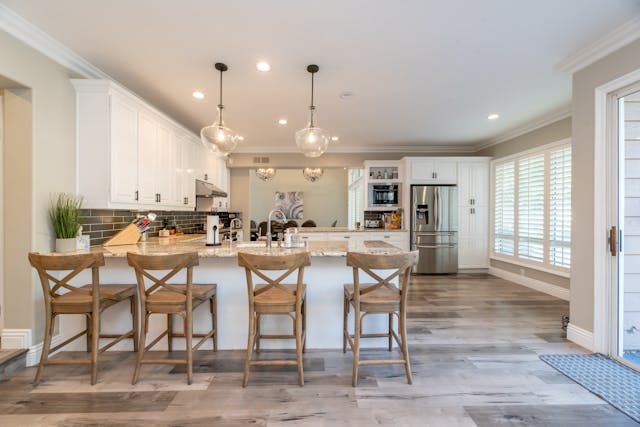
Not all homes should be priced according to a standard formula. Two properties with identical square footage can command dramatically different rents depending on what they offer. Features that often support higher rental rates include:
- Ocean views
- Recently renovated interiors
- High-end appliances
- Private outdoor space
- Attached garages
- Additional storage
- Open-concept floor plans
- Smart-home technology
- Luxury finishes
Consider the Full Living Experience
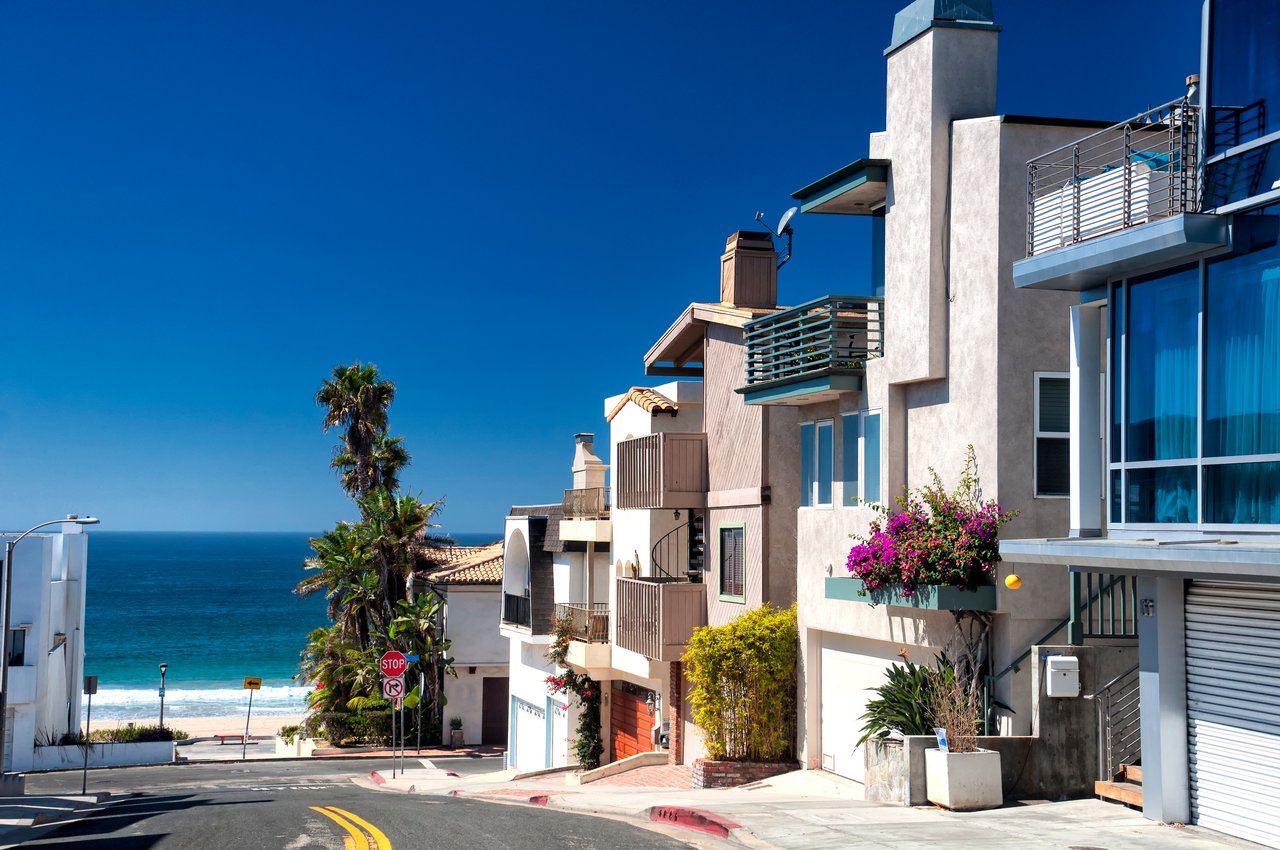
Renters aren't just leasing a house; they're choosing a lifestyle. In Manhattan Beach, proximity to beaches, shopping districts, parks, and restaurants can significantly influence rental demand.
A property that offers easy access to desirable amenities may command stronger pricing than a comparable home located farther away. When assessing value, think beyond the walls of the property and consider the overall experience residents receive by living there.
Market Conditions Change, Your Pricing Strategy Should Too
One of the biggest misconceptions among new landlords is that rent is set once and forgotten. Rental markets are constantly evolving. Employment growth, interest rates, housing supply, seasonality, and local development projects can all influence rental demand. A rate that made sense six months ago may no longer reflect current market realities.
Successful investors regularly monitor local conditions and adjust pricing strategies accordingly. Flexibility often leads to better long-term results than rigidly holding out for an unrealistic number.
Vacancy Is More Expensive Than Many Owners Realize
A common pricing mistake is focusing exclusively on monthly rent while ignoring vacancy costs. For example, achieving an extra $200 per month may seem attractive. But if that higher price causes the property to sit vacant for six weeks, the lost income can outweigh the benefit of the increase.

Let Market Response Guide Your Decisions
Once your property is listed, pay attention to tenant behavior. Questions worth monitoring include:
- Are prospective renters scheduling showings?
- Are inquiries slowing down?
- Are applicants expressing concerns about price?
- Are competing properties leasing faster?
Market feedback is often the most accurate indicator of whether your pricing aligns with reality. If activity remains strong, your rate may be well-positioned. If interest is limited despite effective marketing, pricing may require reevaluation.
The Bottom Line
Pricing a Manhattan Beach rental home successfully requires more than guesswork. It demands a clear understanding of local competition, tenant expectations, property features, and changing market conditions.
Landlords who invest time in researching comparable rentals and objectively evaluating their property's strengths are far more likely to attract qualified tenants and maximize long-term returns.
If you'd rather avoid the uncertainty of pricing, marketing, and leasing on your own, partner with an experienced property management team like Jambi Property Management. Professional managers understand local rental trends, analyze market data daily, and can help position your property for maximum occupancy and profitability.
Contact us today to get started and learn more.