Wondering whether you should rent out your Manhattan Beach home or cash out while values are high? It is a smart question, especially in a market where home values are steep, rents are strong, and the wrong choice can tie up a lot of equity for a modest return. If you are weighing income, appreciation, taxes, and the day-to-day realities of being a landlord, this guide will help you think through the decision with more clarity. Let’s dive in.
Manhattan Beach rental market at a glance
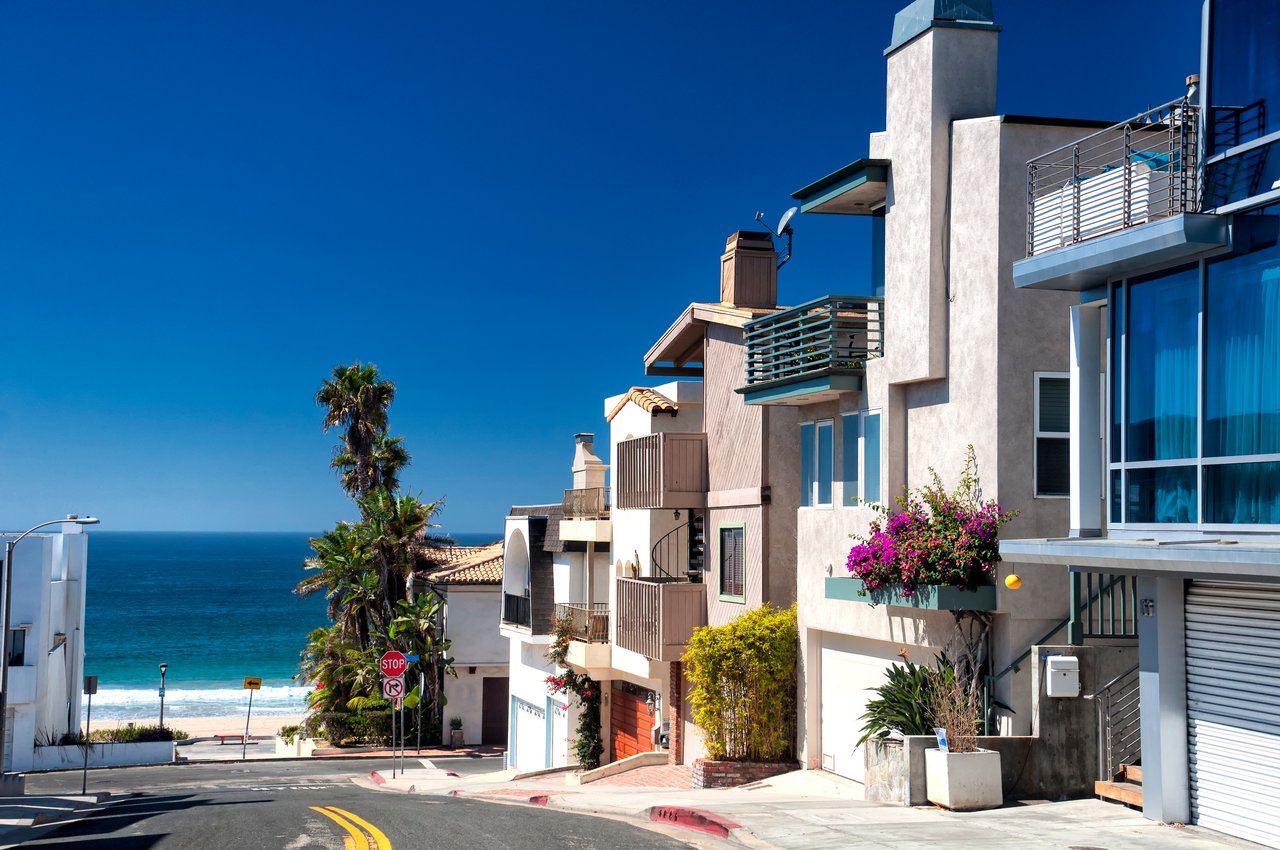
Manhattan Beach remains one of the most expensive rental markets in Los Angeles County. Current citywide rent benchmarks vary by source, with Zillow showing an average rent of $10,000 per month and Realtor.com showing a median rent of $13,000 per month, with 83 homes for rent as of April 2026.
Home values are also exceptionally high. Zillow reports an average home value of $3,260,960, while Realtor.com lists a median listing price of $4.27 million. Even though these numbers differ by methodology, they point to the same reality: you are dealing with a high-value, supply-constrained market where renting can work, but only under the right conditions.
Why the rent-or-sell decision is not simple
At first glance, Manhattan Beach rents look impressive. But when you compare those rents to current home values, the gross yield is often only around 3.7% to 4.5% before expenses, depending on which benchmark you use.
That matters because gross yield is not the same as net income. Once you account for property taxes, maintenance, insurance, vacancy, and compliance costs, your actual return may feel thinner than expected for such a valuable asset.
For many owners, this makes the choice less about pure cash flow and more about lifestyle and portfolio goals. If you want to preserve long-term upside and your home can rent well without major work, leasing may make sense. If the home needs heavy investment or the projected net return feels too slim, selling may be the cleaner option.
Section-by-section rent potential
A citywide average can only tell you so much in Manhattan Beach. Section-level data gives a better sense of what your home might command and what renters are likely to expect.
Sand Section rents and appeal
The Sand Section currently shows a median rent of $15,700 per month with 35 rentals. This area tends to attract renters who value beach proximity, outdoor living, privacy, and a realistic parking setup.
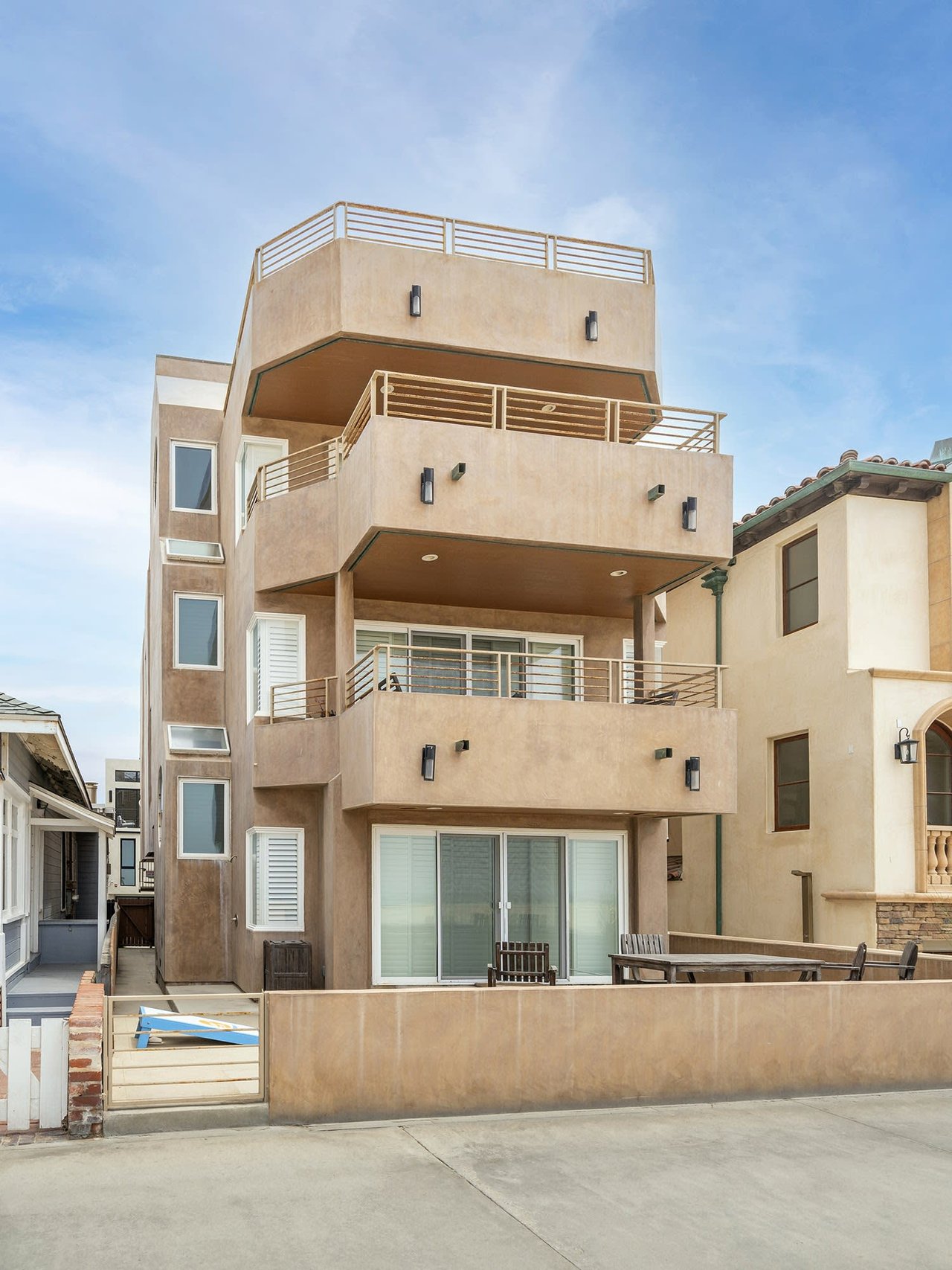
The city’s planning framework also emphasizes walkstreets, the Strand, and beach access in the Beach Area. Because lots are often smaller and parking can be limited, presentation and layout matter a lot when you are positioning a rental in this section.
Tree Section rents and appeal
The Tree Section currently shows a median rent of $14,250 per month with 17 rentals. The city describes this area as having mature trees, scenic beauty, a small-town atmosphere, and private landscaped open space.
Renters drawn to the Tree Section often want shade, yards, quieter streets, and a more residential feel. The city also has a Tree Section residential permit parking program, which can be part of the practical appeal depending on your property’s setup.
Hill Section rents and appeal
The Hill Section currently shows a median rent of $20,000 per month with 14 rentals. That smaller rental count suggests a tighter, more private segment of the market.
The city describes the Hill Section as primarily single-family residential, with commercial and higher-density development limited to Sepulveda Boulevard and Manhattan Beach Boulevard. In practice, renters at this price point are often paying for space, discretion, and finish quality.
What your numbers really need to cover
If you are deciding whether to hold and lease, the key question is simple: can your home produce enough net income after real carrying costs? In Manhattan Beach, those costs can be significant.
Los Angeles County applies a general 1% property tax levy plus debt-service assessments. Using current value benchmarks, that 1% base levy alone is about $32,610 per year on Zillow’s average home value, or about $42,745 per year on Realtor.com’s median listing price, before bonded assessments.
That is only one line item. You also need to think about maintenance, insurance, vacancy between tenants, leasing costs, and any work needed to keep the home competitive and habitable.
Manhattan Beach rental rules to know
Before you rent out your home, you need to understand the difference between short-term and long-term leasing in Manhattan Beach. The city defines a short-term rental as a stay of fewer than 30 days.
Short-term rentals are allowed only in the Coastal Zone, require a business license, and are subject to a 14% transient occupancy tax. A lease of 31 or more consecutive days is not considered a short-term rental and is not subject to that tax.
For many homeowners, that means the practical choice is a longer-term lease. If you were considering flexible vacation-style use, the location of your property and the city’s rules matter a great deal.
California rules that may affect your lease
California’s Tenant Protection Act, AB 1482, places limits on many annual rent increases and creates just-cause rules after 12 months for most residential tenants. The general cap is 5% plus CPI or 10%, whichever is lower.
Some individually owned single-family homes may be exempt, but only if specific ownership and notice requirements are met. There is also a separate exemption for single-family owner-occupied homes.
This is one area where details matter. A lease should not be approached casually, especially in a high-value market where compliance mistakes can become expensive.
When renting out your home makes sense
Renting often makes the most sense when your property is already in good condition and can compete at the current market standard without a major remodel. That gives you a better shot at strong rent while keeping upfront costs under control.
It can also be a good fit if you want to hold the asset for long-term appreciation. In Manhattan Beach, many owners view leasing as a way to preserve upside while offsetting carrying costs, rather than as a high-cash-flow investment.
This path is especially appealing for owners relocating for work, testing a move before selling, or keeping a well-located home in the family’s portfolio. If the property shows well, leases well, and does not require constant correction, renting can be a practical bridge strategy.
When selling may be the better move
Selling may be the stronger option if your projected net yield is too thin after expenses. That is often the case when a home is valuable but not especially rental-efficient.
It may also make sense if the property needs major capital work just to meet market expectations. In a luxury rental market, tenants typically expect a polished, well-maintained home, and it is not always worth making a large upgrade solely to chase rent.
If being a landlord does not fit your life, that matters too. Professional management can reduce your day-to-day workload, but it does not remove your responsibility for compliance, habitability, and lease administration.
How to evaluate your home objectively
If you want to make a smart rent-or-sell decision, start with the property itself. Ask whether your home can command luxury rent because of its location, condition, layout, parking, outdoor space, or privacy, not just because Manhattan Beach is expensive.
Then look at the likely rent range for your section of the city. A Sand Section home may compete differently than a Tree Section home, and a Hill Section property may need a very different level of finish and presentation.
Finally, compare projected rent with your actual holding costs. That includes taxes, maintenance, insurance, potential vacancy, and any improvements needed before launch. This is where many owners get the clearest answer.
Why execution matters in a high-end market
In Manhattan Beach, leasing a high-value home is not just about putting a sign in the yard. Rent pricing, presentation, screening, lease preparation, inspections, maintenance coordination, and owner communication all affect the result.
That is especially true when renters at this level expect a smooth experience and a home that feels well cared for from day one. A property that is priced too high can sit, and a property that is underprepared can attract the wrong attention for the wrong reasons.
For owners who are not local, do not have the time, or want a more disciplined process, full-service management can help reduce friction. It is not a substitute for owner responsibility, but it can make the process more efficient and more consistent.
A practical way to make the choice
If your Manhattan Beach home is in strong condition, fits current renter expectations, and supports your long-term ownership goals, renting may be a smart hold strategy. If the numbers are too thin, the work is too heavy, or your plans have changed, selling may be the more efficient move.
The best decision usually comes from a clear rental analysis, realistic expense review, and an honest look at what your home would need to perform well. In a market this valuable, small assumptions can have big consequences.
If you want a local, appraisal-informed view of what your Manhattan Beach home could rent for and whether holding it still makes sense, reach out to Jon Grogan.
FAQs
Should you rent out a Manhattan Beach home for short stays?
- In Manhattan Beach, a short-term rental is a stay of fewer than 30 days, and that use is allowed only in the Coastal Zone, requires a business license, and is subject to a 14% transient occupancy tax.
What rent can a Manhattan Beach home realistically command?
- Current section-level medians are about $15,700 in the Sand Section, $14,250 in the Tree Section, and $20,000 in the Hill Section, but your actual rent depends on condition, layout, parking, privacy, and overall presentation.
Is renting out a Manhattan Beach home a strong cash-flow play?
- Often, not in the traditional sense. Current benchmarks suggest gross yield is usually around 3.7% to 4.5% before expenses, so many owners view leasing as a hold strategy tied to long-term appreciation rather than pure cash flow.
Do California rent caps apply to a Manhattan Beach single-family home?
- They can. AB 1482 applies to many residential rentals, though some individually owned single-family homes may be exempt if statutory ownership and notice requirements are met.
What costs should you include before renting out a Manhattan Beach property?
- You should account for property taxes, maintenance, insurance, vacancy, leasing costs, compliance obligations, and any work needed to bring the home up to market standard.
Is professional management helpful for a Manhattan Beach rental home?
- It can be, especially for high-value homes or absentee owners, because pricing, marketing, tenant screening, lease preparation, inspections, maintenance coordination, and reporting all affect performance and owner experience.