Key Takeaways
- Clear lease terms set expectations for care, reporting, alterations, pets, and tenant responsibilities.
- Consistent screening and thorough documentation help owners make informed decisions and distinguish damage from normal wear.
- Routine inspections and proactive maintenance catch small problems before they become expensive repairs.
- Prompt, neutral communication makes it easier to address concerns while preserving a workable landlord-tenant relationship.
Tenant damage can turn a predictable operating expense into a costly repair. Although no process can prevent every accident or lease violation, owners can reduce risk through clear standards, regular oversight, and timely maintenance. Jambi Property Management supports rental owners with systems that protect the condition and long-term performance of their properties.
How Tenant Actions Can Increase Damage Risk
Most residents want a safe, comfortable home, but ordinary oversights can still cause damage. Owners should focus on observable conditions and documented lease obligations instead of assuming intent.
Delayed Reporting
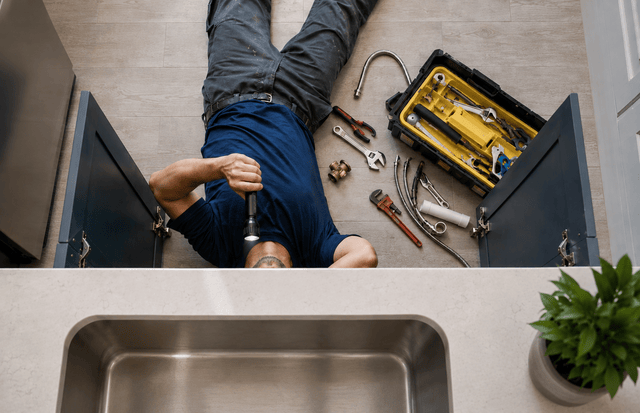
A dripping pipe, running toilet, or damp spot can become a larger plumbing or moisture problem when it goes unreported. Give residents one clear method for maintenance requests, explain which concerns require immediate notice, and acknowledge reports promptly. The EPA recommends checking for common household leaks and encouraging occupants to report visible leaks, a simple practice that can limit water waste and related damage.
Neglect or Missed Responsibilities
Damage may develop when agreed responsibilities—such as basic cleanliness, changing accessible filters, or keeping drains free of improper materials—are missed. List each responsibility in the lease and reinforce it at move-in. Respectful communication also gives residents a reason to raise concerns before a manageable issue worsens.
Misuse and System Strain
Plumbing clogs, damaged appliances, overloaded electrical circuits, and broken fixtures may result from improper use. Provide concise instructions for property-specific equipment, especially garbage disposals, HVAC controls, laundry appliances, and irrigation systems. Pair those instructions with responsive communication so residents know how to report a malfunction.
Unauthorized Changes
Unapproved painting, wall mounting, fixture replacement, or do-it-yourself repair work can create avoidable restoration costs. State which alterations require written approval and how requests will be evaluated. A clear process is more useful than a blanket warning because residents know what to ask before making a change.
Pet-Related Damage
Scratched flooring, damaged landscaping, odors, and chewed trim are possible in pet-friendly rentals. Define lawful pet-related expectations, approved animals, cleanup duties, and property rules in writing. Apply the policy consistently while accounting for assistance animals and other rights required by applicable law.
Tips to Prevent Tenant Damage
Prevention works best as a connected system. Lease language establishes expectations, screening applies consistent standards, inspections document condition, and maintenance keeps property defects from being mistaken for resident-caused damage.
Add Specific Clauses to the Lease
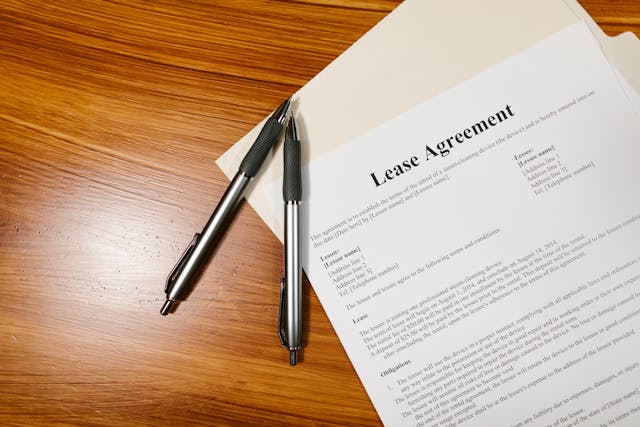
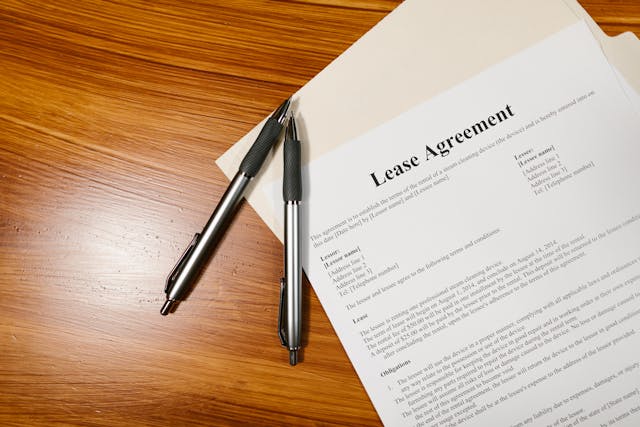
Describe maintenance reporting, cleanliness, alterations, pets, smoking, outdoor care, and other property-specific responsibilities in plain language. Identify prohibited conduct and the process for addressing a violation. Have lease terms reviewed for the property and jurisdiction rather than relying on generic wording.
Use Consistent, Lawful Screening
Set written rental criteria before reviewing applications, apply them uniformly, verify permitted information, and document the decision process. Screening should evaluate objective indicators relevant to tenancy without stereotypes or protected-class considerations. The Fair Housing Act prohibits housing discrimination, so owners should ensure their criteria and practices comply with fair housing and other applicable screening rules.
Document the Starting Condition
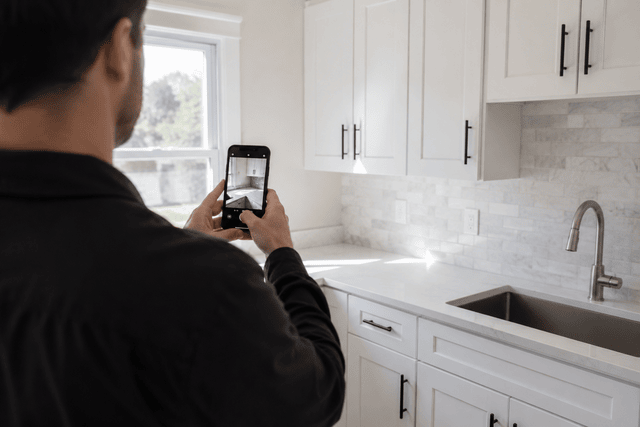
Complete a detailed move-in inspection with dated photos, written notes, and the resident’s acknowledgment. Record existing wear, appliance condition, flooring, walls, fixtures, doors, windows, and exterior areas. This baseline helps both parties distinguish new damage from normal wear and tear when the tenancy ends.
Inspect the Property Regularly
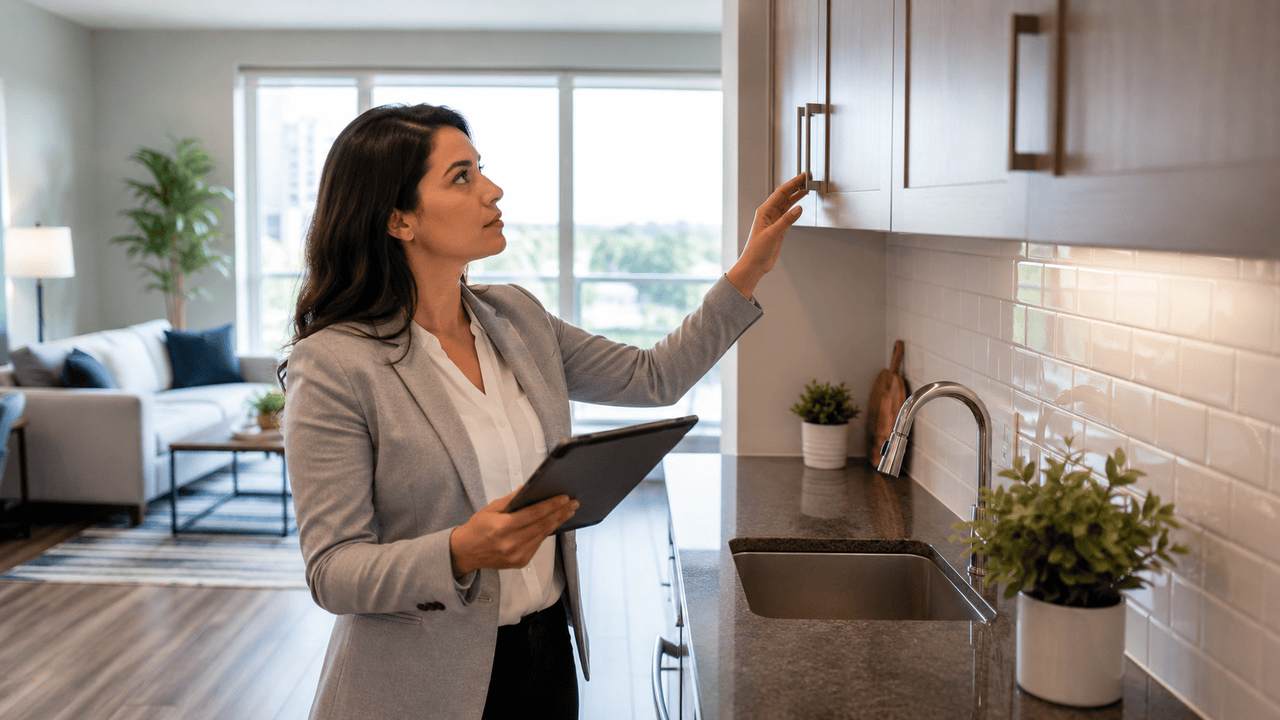
Periodic inspections can reveal leaks, ventilation concerns, unauthorized changes, safety issues, or neglected maintenance. State the inspection process in the lease, provide required notice, respect privacy, and follow local entry rules. Use the same checklist each time and document only objective conditions. Compare each inspection with the prior report so emerging patterns receive attention before they become harder or more expensive to correct.
Prioritize Proactive Maintenance
Service major systems on schedule and repair known defects promptly. Durable finishes, working ventilation, sealed plumbing connections, and well-maintained appliances are less vulnerable to avoidable deterioration. A condition-focused checklist can guide preventive work throughout an occupied tenancy.
Maintain Detailed Records
Keep the signed lease, addenda, inspection reports, photographs, maintenance requests, invoices, notices, and resident communications together. Contemporaneous records support consistent decisions and make it easier to trace whether a problem came from age, a property defect, an accident, or a documented lease violation. It is also important to keep thorough records of everything collected during the tenant screening process.
Handle the Security Deposit Correctly
A security deposit can help cover authorized deductions, but it is not a substitute for prevention and it does not automatically belong to the owner. Limits, permitted deductions, documentation, inspection rights, and return deadlines vary by jurisdiction. California owners can review the state courts’ security deposit guide and should confirm current rules for the property before collecting or retaining funds.
Address Damage Quickly and Fairly
When damage appears, first stop any active leak or safety hazard. Then document the condition, investigate the cause, arrange qualified repairs, and communicate the next steps in neutral language. A complete repair record also helps when owners later prepare a rental between tenants. If responsibility is disputed or formal lease enforcement may be necessary, follow the lease and current law and obtain local legal guidance when appropriate.
Bottom Line
Preventing tenant damage is less about predicting behavior than building reliable property-management practices. Clear expectations, consistent screening, documented inspections, preventive maintenance, and prompt communication give owners a defensible way to protect the rental. Jambi Property Management applies these practices to help keep rental homes well maintained throughout the tenancy.
Frequently Asked Questions About Preventing Tenant Damage
The following answers address common questions about prevention and documentation. Property-specific lease terms and local requirements should always control.
What Is the Difference Between Tenant Damage and Normal Wear and Tear?
Normal wear and tear is gradual deterioration from ordinary, intended use, such as minor carpet wear or lightly faded paint. Tenant damage generally involves avoidable harm beyond that expected use, but the distinction depends on the item’s age, prior condition, cause, and local rules.
A move-in condition report, dated photographs, maintenance history, and move-out inspection provide a much stronger basis for evaluation than memory alone. Owners should avoid charging residents for deterioration caused by age, deferred maintenance, or a property defect.
How Often Should a Landlord Inspect a Rental Property?
There is no universal schedule that fits every property or jurisdiction. Many owners use a documented move-in inspection, reasonable periodic inspections, maintenance-related visits, and a move-out inspection. Frequency should reflect the building’s condition, lease terms, and legitimate maintenance needs rather than becoming intrusive.
Before entry, provide the notice required by applicable law and limit the visit to the stated purpose. A consistent checklist helps identify changes over time while keeping observations factual and focused on property condition.
What Lease Terms Help Prevent Property Damage?
Useful terms explain how to report maintenance, which alterations need written approval, who handles specific upkeep tasks, and what rules apply to pets, smoking, outdoor areas, appliances, and waste disposal. The lease should also describe inspections, entry, remedies, and documentation in a manner consistent with local law.
Property-specific language is more useful than vague directions to “take care” of the home. Owners should review the agreement periodically because laws, building systems, and operating practices can change.
Can a Security Deposit Pay for Every Repair?
No. Security deposits are governed by limits and permitted uses, and owners generally cannot deduct for normal wear, preexisting conditions, or costs that are not legally chargeable to the resident. Documentation matters: compare move-in and move-out condition records, retain invoices, and provide any required itemization within the applicable deadline.
If repair costs exceed an authorized deposit deduction, the available remedy depends on the lease, evidence, and local law. Owners should confirm current jurisdiction-specific requirements before withholding any amount.
What Should an Owner Do When Damage Is Discovered?
Protect people and the property first by stopping active water, electrical, fire, or structural hazards and arranging qualified service. Photograph and describe the condition, review earlier inspection records, and determine whether a maintenance failure, ordinary wear, accident, or possible lease violation caused it.
Communicate the repair plan without accusations and preserve invoices and correspondence. Any charge, notice, or enforcement step should follow the lease and current law. For a serious dispute or potential termination, obtain advice from a qualified local professional.