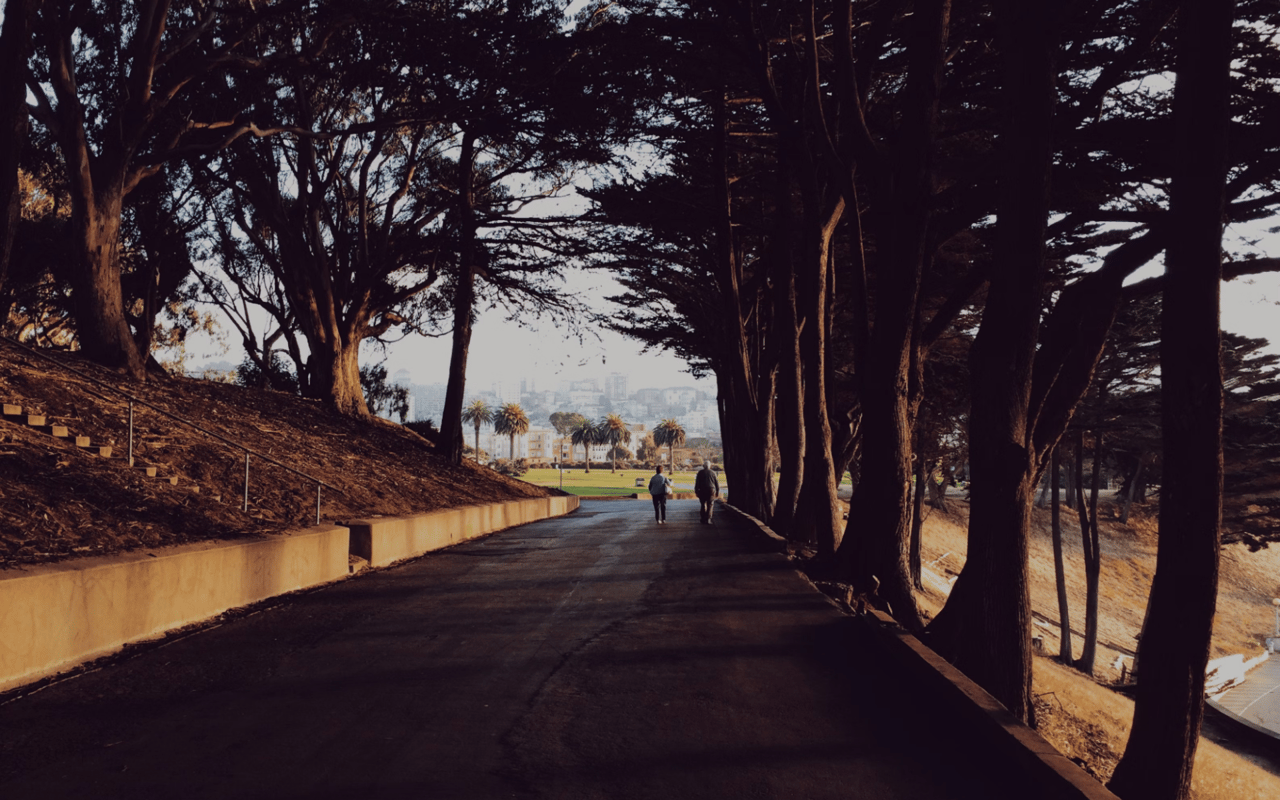
Stand at the west end of Del Rey Lagoon Park on a Saturday morning and you will watch two very different kinds of exercise brush past each other in the space of about a hundred feet. Cyclists come off the Ballona Creek path caked in the kind of sweat you only get from riding through the flats past Culver City. Runners come the other way, off the beach, sand still stuck to their calves from Dockweiler. They both end up at the same crosswalk, blinking at each other, then peeling off toward whatever they were actually after: coffee, a burrito, a table with a view of the water. Most people who live here have made this crossing a hundred times without ever registering what it means. This lagoon is not just a park. It is a hinge, and the hinge is why a neighborhood this small supports restaurants this good.
A Park That Doubles as an Interchange
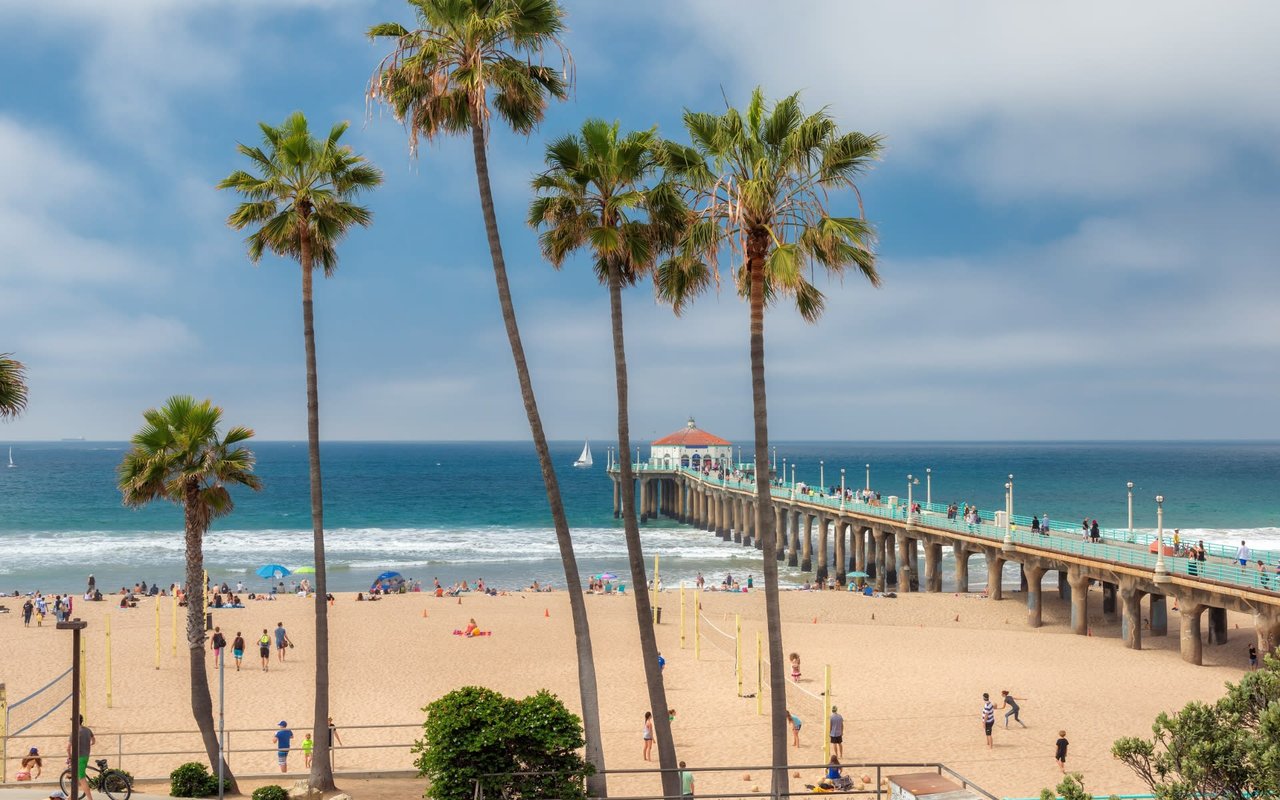
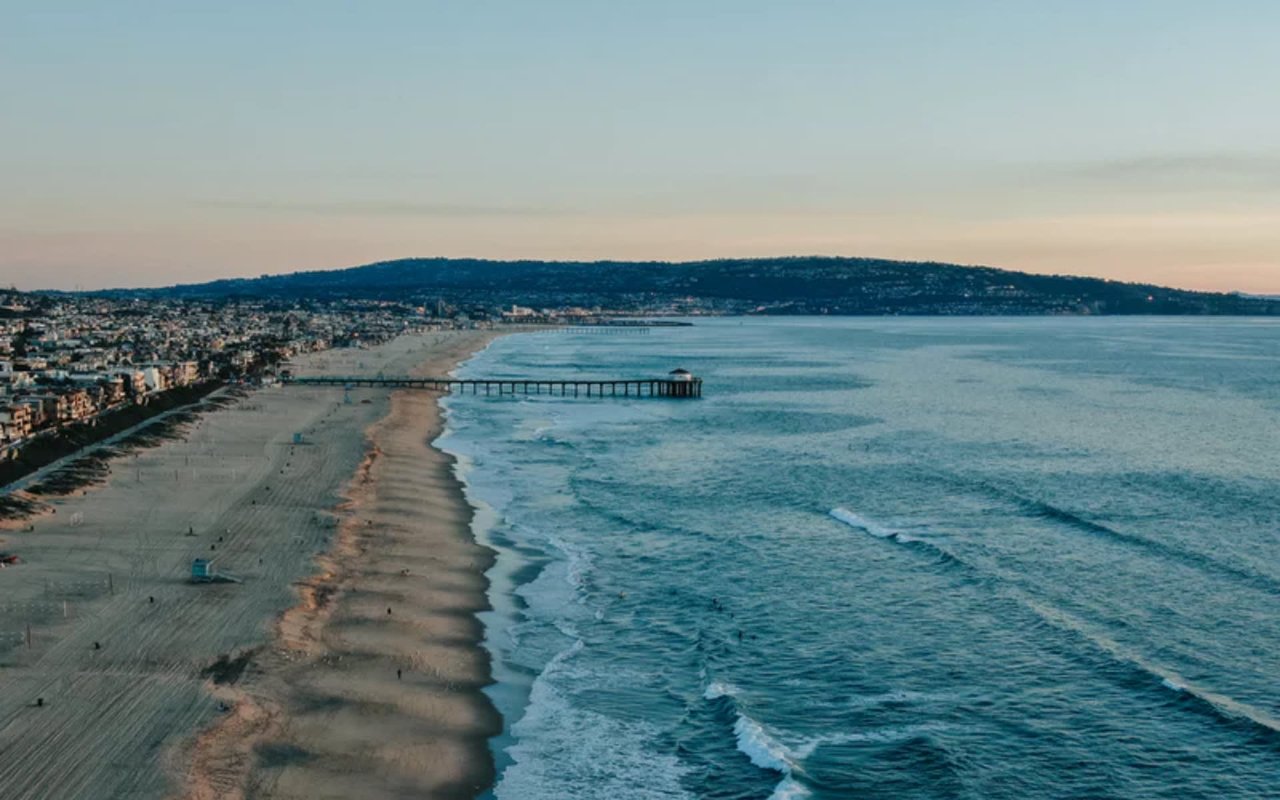
Playa del Rey sits at the exact spot where two of the region's longest bike paths meet. The Ballona Creek Bike Path runs roughly eight miles inland, tracing the creek past the Baldwin Hills and into Culver City, where it connects to the Expo Bike Path and the Park to Playa Trail system reaching toward Kenneth Hahn State Recreation Area. Head the other direction from that same junction and you are on the Marvin Braude Bike Trail, also called the South Bay Bike Trail here, which runs south along Dockweiler and continues past El Segundo all the way to Manhattan Beach, Hermosa Beach, and King Harbor.
Del Rey Lagoon Park sits right at the point where these two systems tie together, a few blocks from where Ballona Creek empties into the ocean. It is a small, quiet stretch of water with ducks, a picnic area, and a playground on the beach side, the kind of spot regulars describe as a hidden oasis for strolling rather than a destination in its own right. But its real function is traffic control. Every rider heading from the Westside toward the South Bay beach cities passes through here. Every rider looping out from Culver City toward the ocean ends here too. The lagoon does not compete with the bigger landscapes on either side of it. It is the door between them.
Three Blocks Carrying the Weight of Two Bigger Neighborhoods
Playa del Rey's commercial footprint is almost comically small for what it supports. Most of the neighborhood is zoned residential, and the businesses that exist are strung along only portions of Manchester Avenue, Pershing Drive, and Culver Boulevard. That is not a metaphor. It is the entire commercial district, a few blocks wide, wedged between houses on a bluff and the mouth of a creek.
Into that footprint has landed some genuinely ambitious food. Playa Provisions is the clearest example. It is the third restaurant project from Top Chef winner Brooke Williamson and her husband and co-owner Nick Roberts, following Hudson House and The Tripel, and instead of opening one restaurant they built four inside a single 7,000-square-foot building on the beach side of the neighborhood. There is Small Batch, an ice cream counter making everything in house. King Beach handles breakfast and lunch out of a market-style counter. Grain is a back-room whisky bar. Dockside is the sit-down seafood room. Four concepts, one address, one ownership group, all inside a commercial strip that could fit on a single city block elsewhere.
A few doors down, Bacari PDR runs a different model that lands in the same category of ambition. It is the second location from the Kronfli Brothers, a family restaurant group expanding out from an original spot, built around Venetian-inspired small plates from chef Lior Hillel and a rotating list of small-production wines. Between Playa Provisions and Bacari PDR alone, this three-block stretch is doing the kind of chef-driven, concept-heavy dining that usually needs a much bigger population base to pencil out.
The rest of the strip fills in around them with a mix that reads more neighborhood than destination, which is exactly the point:
- Caffe Pinguini, an Italian spot regulars treat as the default date-night table
- Cantalini's Salerno Beach, known locally for bread that shows up hot and fresh with every order
- Mo's Place, where the owner working the room is part of the draw
- Prince O' Whales, a bar where the bartenders know your order
- Hacienda Playa, a newer arrival from the team behind Hacienda Del Rey, close enough that regulars barely noticed the commute got shorter
- HiroNori Craft Ramen and Señor G's Fresh & Healthy Mexican Food, both drawing return visits from people who live within walking distance
None of these businesses are built for tourists. There is no hotel district feeding them, no convention traffic. What feeds them is the junction. Bike path riders coming off Ballona Creek stop for a King Beach breakfast before heading down to the sand. Runners finishing a Dockweiler loop end up at Bacari for a plate of small bites and a glass of something cold. The lagoon does the work of a much bigger tourism engine, just at bicycle and running speed instead of car speed.
Old Town Bones Under New Kitchens
The neighborhood's compact shape is not an accident of modern zoning. Playa del Rey was platted in 1902 as a seaside resort town, back when buyers took a streetcar out to Alla Station and rode the rest of the way in a horse-drawn tally-ho. In 1910 it briefly hosted the Playa del Rey Motordome, the first board track built anywhere in the world, used for bicycle racing and some of the earliest automobile racing in the country before it burned down. The northern edge of the beach still carries a name from that era among surfers: Toes Beach, or Toes Over Beach, a nod to the toes-over-the-nose surfing style that made this stretch a known break in the 1950s and early 1960s.
That resort-town footprint never really expanded. The jetties that came later to control beach erosion flattened the surf that made Toes Beach famous, and most wave-seekers now head south to El Porto or north to Venice instead. But the small commercial core that served that original resort crowd is still doing the same job it always did: feeding people who came here to be outside, then wanted to sit down.
How to Actually Use the Junction
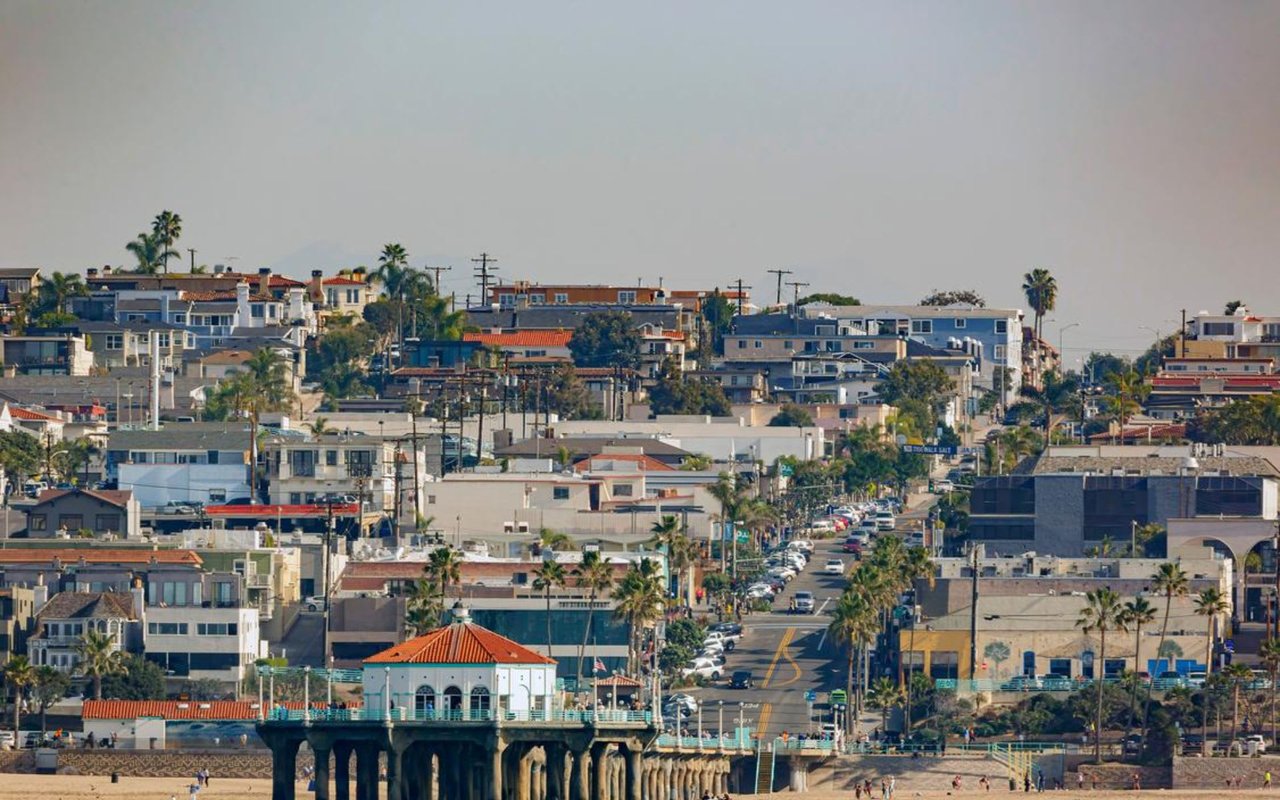
If you live here and have never treated the lagoon as a starting line rather than a stop along the way, the two-direction option is worth trying on a weekend morning. Head inland on the Ballona Creek path and you can ride flat, shaded-free pavement most of the way to Culver City Park or Syd Kronenthal Park before turning back, a round trip that easily covers ten to twelve miles depending on where you turn around. Head the other way and you are on the beach path within a few minutes, riding past Dockweiler toward El Segundo or continuing further south toward the Manhattan Beach Pier if you have the legs for it.
Either direction dumps you back at the same spot, and either direction ends with the same decision: turn toward Manchester and Pershing for something to eat, or keep going. Bring water and sunscreen if you are doing the creek path, since it runs with no tree cover for most of its length. The lagoon side has bathrooms and parking if you are starting cold rather than passing through.
What makes this loop worth the mention is not the mileage. It is that almost nowhere else on this stretch of coast do a wetlands trail and a beach trail meet this cleanly, with a walkable dining strip sitting right at the seam. Marina del Rey has restaurants but no comparable creek path access. Manhattan Beach has the beach path but no inland creek route feeding into it. Playa del Rey has both, at a scale small enough that you can do the whole loop, inland and coastal, before lunch.
That is the thing about this neighborhood that the drive-through version misses. It looks like a sleepy stretch between two bigger names, Marina del Rey to the north and Westchester inland. It functions instead like a crossing point, and the businesses that have taken root here, from a Top Chef alum's four-concept building to a family-run small plates room, were built by people who understood that traffic does not need to be measured in cars to be worth serving.
If Playa del Rey is where you already live, and you are ever weighing what it would take to rent out a home in a neighborhood built around this kind of foot and bike traffic, the team at Jambi Property Management knows this stretch of coast in the same granular way. Request a Free Rental Analysis when you are ready to see what your property could do in a market like this one.