Key Takeaways
- Improving net income often starts with controlling expenses, vacancies, and preventable repairs.
- Compare vendors and insurance options on both price and value instead of choosing the cheapest offer automatically.
- Durable improvements and clear lease terms can reduce recurring costs when they fit the property and applicable rules.
- Optional conveniences can create additional income when tenants understand the price and can decline the service.
Rental property owners naturally want to maximize the financial returns on their investments. But is it possible to make more income from a rental without increasing rent? The answer is yes. Jambi Property Management approaches rental performance as a combination of revenue, cost control, property care, and tenant retention rather than a single pricing decision.
Relying on rent increases alone does not always work. A higher price can narrow the applicant pool, strain an otherwise productive tenancy, or prompt reliable tenants to move. If the resulting vacancy lasts longer than expected, its ongoing costs can wipe out the extra income the owner hoped to earn. Any increase must also comply with the lease and applicable laws. Owners can often improve performance first by finding avoidable costs and limiting preventable vacancy.
8 Ways to Increase Rental Income Without Raising Rent
The most useful changes are usually practical rather than dramatic. Each strategy should be evaluated against the property's condition, current agreements, local requirements, and the owner's long-term plan.
Shop for Better Insurance Rates
Many owners buy insurance when they get a mortgage and never think about it afterward. That can be costly because rates and coverage needs change over time. Compare several carriers using equivalent limits, exclusions, and replacement-cost terms so a lower quote does not create a coverage gap.

The NAIC recommends that consumers shop around for insurance value and consider discounts. A higher deductible may lower the premium, but only when the owner has enough reserves to absorb that cost after a covered loss.
Always Get Multiple Bids
One overlooked way to improve rental income without raising rent is to get bids from at least three vendors for a substantial repair or renovation. Use the same written scope, then compare labor, materials, licensing, insurance, warranty terms, timing, and change-order rules as well as price.
The lowest number is not automatically the best value if the bid omits necessary work or relies on materials that will need early replacement. Consistent bid documentation also improves future budgets and vendor decisions.
Be Proactive and Timely With Maintenance
By fixing problems on time, owners can prevent small issues from becoming emergencies. Preparing a rental between tenants is also easier when routine work has not been deferred.
Build a schedule for HVAC filters and servicing, leak checks, drains, gutters, tree trimming, water heaters, and seasonal preparation appropriate to the property. Track recurring problems so the cost of repeated service calls can be compared with a lasting repair or replacement.
Review Who Pays for Utilities
Letting tenants pay separately metered utilities can help owners avoid cost spikes and make monthly expenses more predictable. It also gives residents direct visibility into their own consumption. This approach is not appropriate for every property or agreement. Before changing responsibility, review the existing lease, local billing rules, required disclosures, and any limits on utility pass-throughs.
Owners should also consider whether the change would complicate marketing or create administrative costs that offset the expected savings.
Invest in Durable Upgrades
Buying cheap, low-quality materials does not necessarily save money; it can defer costs until repeated repairs or early replacement are required. Compare expected service life, maintenance needs, warranty coverage, and replacement difficulty instead of purchase price alone.

Flooring, fixtures, appliances, lighting, insulation, and climate-control equipment should suit the property and market. ENERGY STAR identifies several high-impact home upgrades designed to improve efficiency and reduce operating costs. Favor readily available replacement parts, and consider how installation time could affect an occupied home or future turnover.
Draft a Detailed Lease and Enforce It
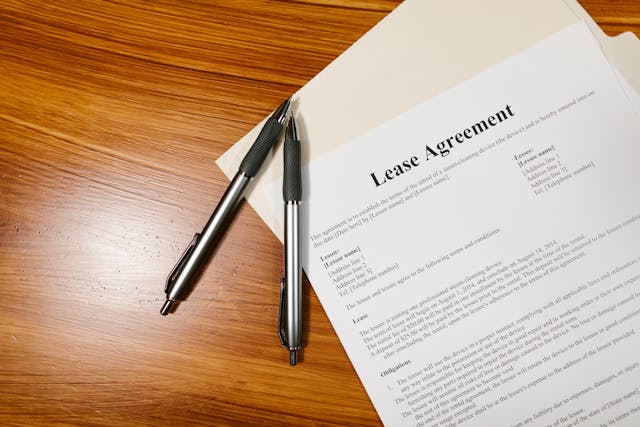
Owners often overlook the power of a good lease agreement to protect rental income. A clear lease sets expectations for payment, reporting problems, permitted uses, and responsibilities that may legally be assigned to a tenant. It should distinguish owner maintenance from resident obligations and account for normal wear and tear.
Fees and enforcement must comply with applicable law and be applied consistently. Because requirements vary, use current, professionally reviewed documents rather than clauses copied from an unrelated property or old lease.
Offer Convenience Add-Ons
Convenience add-ons are features that are not essential to the function of a rental but can improve a tenant's daily experience. Examples include lawn care, pest control, internet, reserved parking, storage, smart-home features, or scheduled cleaning.

A separate fee can create income without changing base rent, but the service must offer real value. State the price, scope, cancellation terms, and responsibility for service problems in writing. Keep participation genuinely optional unless the charge is properly incorporated into the rental agreement and permitted by applicable rules.
Update Your Tax Strategy
This begins with being more meticulous about documenting transactions so every cost is properly captured. Keep invoices, receipts, mileage records, contracts, and notes that distinguish repairs from improvements.
Tax results depend on the property and the owner's circumstances, so decisions about deductions, depreciation, or cost segregation should be reviewed with a qualified tax professional. Current IRS guidance for property owners on rental income and expenses can help organize questions about repair, operating, and depreciation treatment before that review.
Bottom Line
Increasing rental income is ultimately about improving the property's net performance, not simply charging more. Review insurance, vendor costs, maintenance patterns, utility arrangements, materials, lease terms, optional services, and tax records as connected parts of the same operation.
Jambi Property Management treats income growth as an ongoing process of controlling avoidable expenses, protecting the property, and supporting stable tenancies rather than relying on unsupported promises or automatic rent increases.
Frequently Asked Questions About Increasing Rental Income Without Raising Rent
The best opportunities depend on the property's costs, condition, lease, and tenant demand. These questions can help owners decide where to examine the operation first.
Which Expenses Should a Rental Owner Review First?
Attracting long-term tenants can reduce vacancy and turnover costs, but start the expense review with recurring costs that are large enough to matter and can be compared objectively. Insurance, owner-paid utilities, landscaping, pest control, maintenance contracts, and frequent repairs are useful starting points.
Review a full year of statements so seasonal costs are not mistaken for permanent trends. Separate one-time expenses from recurring ones. A lower cost is only an improvement when it preserves necessary coverage, service quality, legal compliance, and the property's long-term condition.
How Can Better Maintenance Increase Net Income?
Preventive maintenance can reduce emergency premiums, limit secondary damage, and extend the useful life of equipment. It can also shorten turnover work when the property has been cared for throughout the tenancy.
Begin with systems where a small failure can cause a costly chain reaction, such as plumbing, roofing, drainage, heating, and cooling. Keep service records and compare repeated repair costs with replacement options. Maintenance does not eliminate every surprise, but a consistent program gives owners more control over timing and budgeting.
Are Optional Tenant Services Considered Rent?
The answer depends on the service, lease language, location, and applicable law. A separately priced convenience may be treated differently from a mandatory charge tied to occupancy. Owners should not assume that calling a payment a fee keeps it outside rent rules or disclosure requirements.
Describe the service and price clearly, avoid adding charges mid-lease without proper authority, and confirm how local rules apply. Legal review is especially important when a new fee could affect rent caps, notices, deposits, or a tenant's right to decline.
Should Owners Choose the Lowest Contractor Bid?
Not automatically. A low bid may be efficient, but it may also omit preparation, permits, disposal, warranty coverage, or higher-quality materials included elsewhere. Give each contractor the same written scope and compare the assumptions behind the price. Verify licensing and insurance where required, ask how changes will be approved, and consider timing and communication.
The objective is dependable value over the life of the work. Paying slightly more can be economical when it reduces callbacks, early failure, or disruption to the tenancy.
How Often Should Owners Review Rental Performance?
A quarterly review is a useful operating rhythm for many properties, with a deeper annual review before budgeting, insurance renewal, or lease planning. Compare collected income, vacancy, repairs, utilities, vendor costs, and capital spending with prior periods. Look for patterns rather than reacting to one unusual invoice.
Major repairs, repeated vacancies, a service contract renewal, or a change in local rules may justify an earlier review. The goal is to identify decisions the owner can control while keeping enough reserves for costs that cannot be predicted.