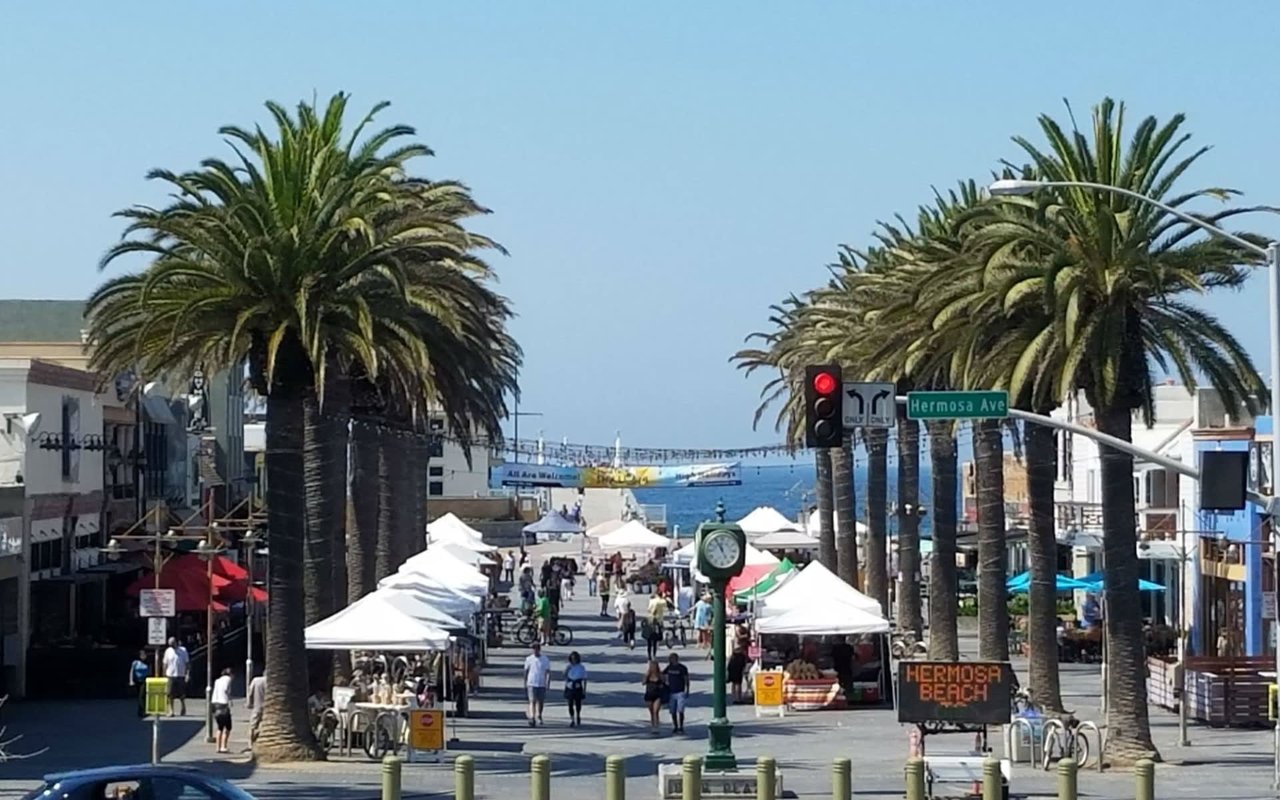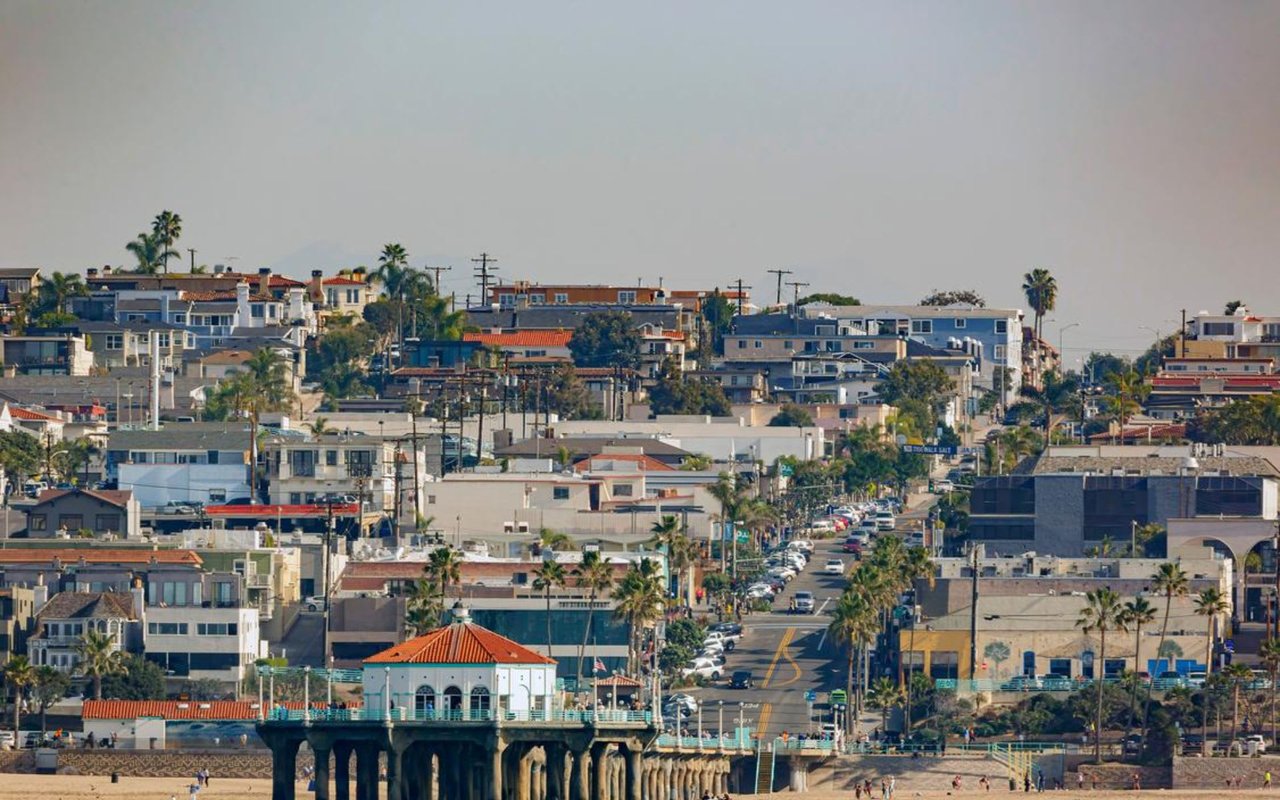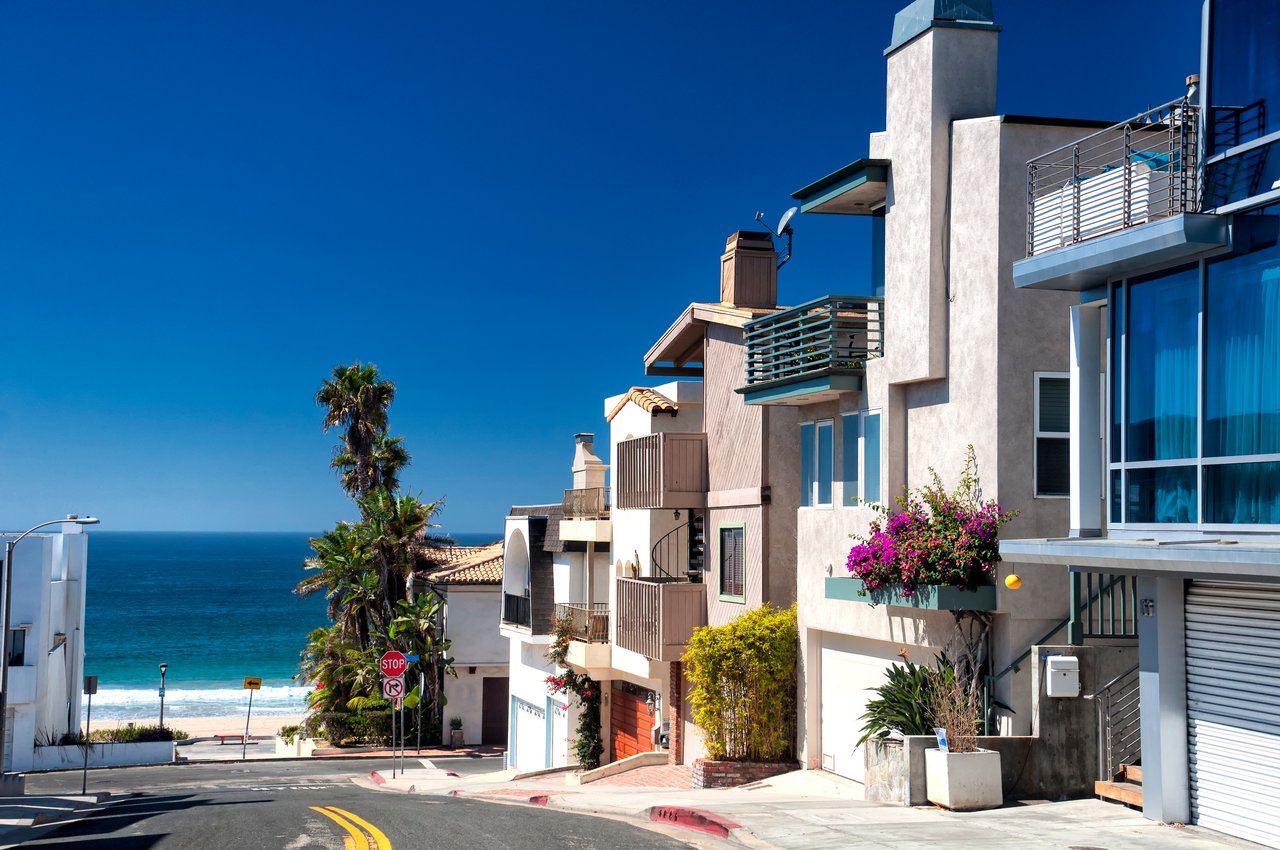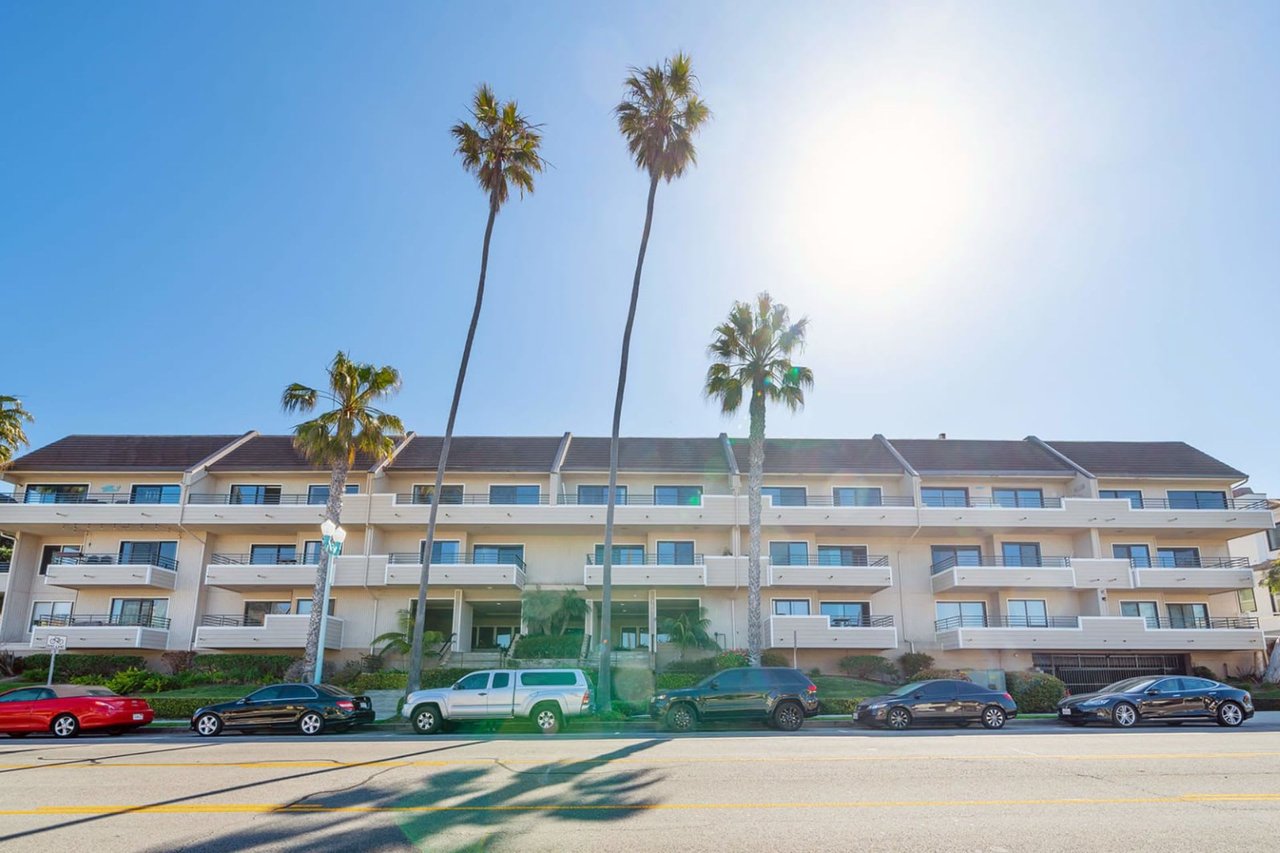
Walk south on Catalina Avenue past Avenida del Norte on a Friday night and the first thing you notice is the parklets. Picnic tables under string lights, spilling out from restaurants like Rebel Republic into what used to be parking spots, the whole scene still running on the casual, fake-grass energy the city built during the pandemic. Keep walking a couple of blocks and you hit a wood gate at 1611 S. Catalina. Behind it, a host is checking whether your outfit clears business casual before you get a table.
That gate belongs to Montauk, and it did not exist in Riviera Village a year ago. Neither did the version of the Village that lets both of these things happen within a few blocks of each other without one canceling out the other. The easy story is that Redondo Beach is going upscale. The more accurate one is that the Village just found a way to run two different registers of night at once, and the reason it works traces back to a City Council vote most residents never noticed.
The Room With a Dress Code
Montauk opened its doors quietly last winter and has spent 2026 becoming the thing everyone in the South Bay brings up unprompted. It's the work of Lavae McClinnahan, founder of Peninsula Hospitality Concepts, who built the space around three distinct rooms: a formal dining room, a garden patio, and The Den, a jazz lounge developed with Bose Professional where music director Al Strong books acts like Elijah Fox and Javier Santiago. None of that is standard Redondo. This is a city where, as one recent profile put it, the unofficial dress code has long been trucker hats, board shorts, and flip-flops. Montauk enforces the opposite. Reviewers on OpenTable note the restaurant expects neat, polished outfits and will say so if you show up in beachwear.
McClinnahan describes the concept as a specific bet: build a room that looks expensive without pricing out the neighborhood. "My whole concept for affordable luxury was have a really, really nice place, but also the price point be the same as everyone else," he has said of the project.
That bet only works if Montauk stays the exception on the strip rather than the new baseline. Which is exactly what's happening a few blocks south.
The Storefront That Went the Other Way
In 2026, Martha's, a Hermosa Beach fixture since 1984, opened its first expansion at 1810 S. Catalina Ave, taking over the space last occupied by Gabi James, a Spanish-French restaurant that closed after an eight-year run. The new location sits between Fringe and Redondo Beach Brew, in a 5,000-square-foot building split across two floors, with the upstairs earmarked for private events the Hermosa location never had room for. Co-owner Hilary Condren tapped Johnny De Vivo, formerly executive chef at Rolling Hills Country Club, to run the kitchen.
What's notable isn't that Martha's expanded. It's what replaced what. Gabi James was the kind of restaurant that asked something of you, an eight-year run built on French-Spanish technique. Martha's markets itself as a "coffee to cocktails" neighborhood hangout, the kind of place regulars walk to in flip-flops. The storefront didn't get fancier when the tenant changed. It got more casual, at the exact moment a genuinely formal newcomer opened a few blocks north.
That's the pattern worth naming: Riviera Village isn't drifting toward one identity. Storefronts that turn over are trending casual. Net-new additions are trending formal. Both are true on the same stretch of Catalina Avenue in the same calendar year.
Why the Sidewalk Stayed the Way It Was
The mechanism that lets this work sits with the city, not the restaurants. In May 2026, the Redondo Beach City Council voted to extend the Village's outdoor dining deck program for another five years, even as other beach cities largely removed the temporary structures they built during the pandemic. The decks trace back to 2020, when the city and the Riviera Village Association converted parking spaces on Catalina Avenue between Avenida del Norte and Vista del Mar into outdoor seating to keep restaurants alive during shutdowns. What started as an emergency measure became infrastructure the city chose, twice now, to keep.
That choice matters more than it looks. A dining deck is a low commitment format by design: temporary railings, string lights, a picnic table footprint that reads as casual no matter which restaurant sits behind it. By keeping that sidewalk layer intact instead of formalizing it into permanent hardscape or letting it lapse, the city preserved a public, walk-up-in-shorts version of the Village even as a handful of indoor rooms went the other direction. The decks are why Montauk's dress code reads as one restaurant's choice rather than the street's new mood. Condren, weighing where to put Martha's expansion, pointed to that same energetic sidewalk culture as part of what made the Village worth betting on.
The Anchors That Didn't Move
A few blocks away on Pacific Coast Highway, the same tension shows up in a lower key. The restaurant at 525 S. PCH ran for 32 years as Ragin Cajun Cafe before closing March 1, 2026. It reopened three weeks later under a new name, Redondo Beach Grill, with an updated menu the owners attribute in part to rising seafood costs, followed by a full grand opening the weekend of April 18 and 19. The address didn't change. The casual, no-reservations, first-come seating didn't change. What changed was the name on the door and a menu adjusted to what the owners could actually afford to serve.
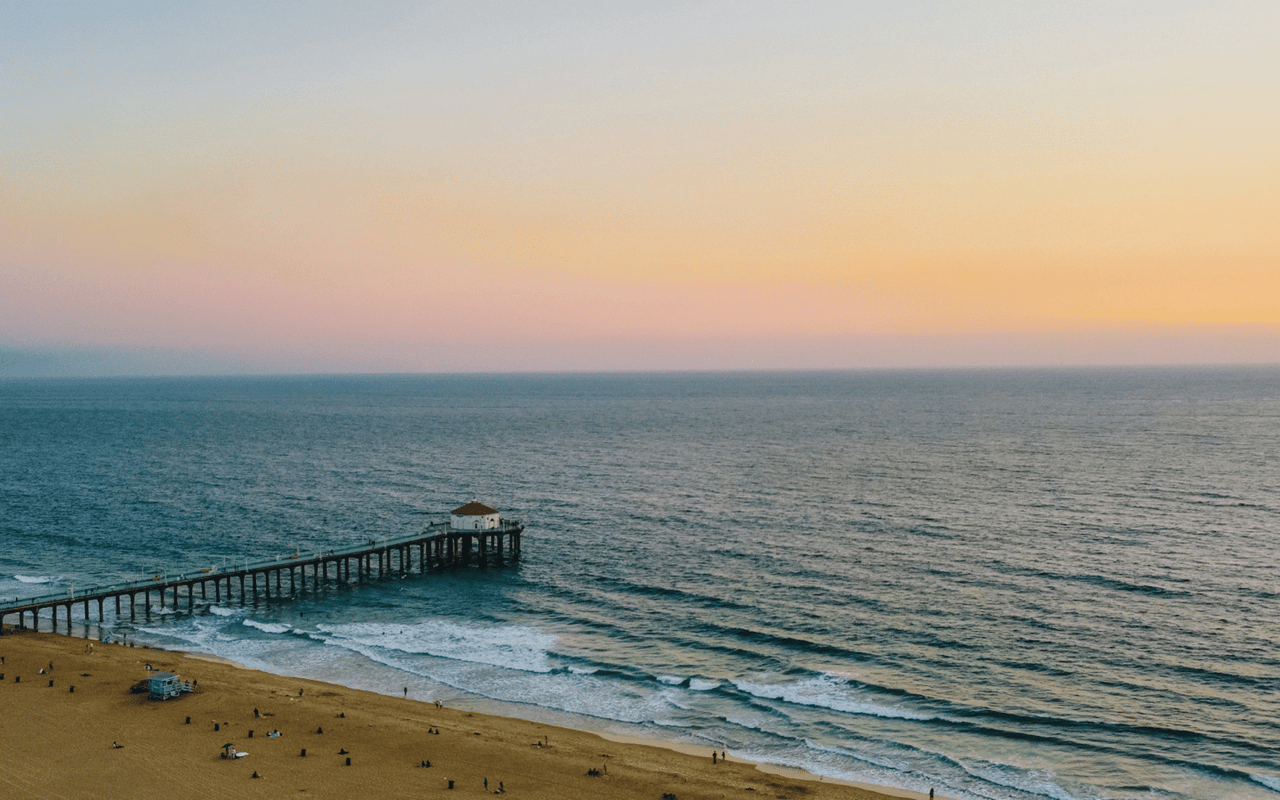
Out at the pier, Hot Dog on a Stick is working its way back to 206 Fisherman's Wharf, the same address it held from 1962 until the location's independent owner retired and closed the stand in September 2024. FAT Brands, which owns the chain, has confirmed the pier location is returning, this time corporate-owned rather than independently run. An exact reopening date hadn't been set as of this reporting, but the signal is the same one running through the rest of the Village: the casual, decades-old anchors keep coming back, sometimes under new ownership, in the same footprint they've always occupied.
What a Friday Actually Looks Like Now
Put it together and the Village stops looking like a neighborhood in transition and starts looking like a neighborhood running two schedules at once. You can start the evening at Martha's downstairs, order off a menu built for regulars, and walk a few blocks north to a table at The Den for a set from a touring jazz trio, no costume change required beyond swapping flip-flops for real shoes. The parklets outside Rebel Republic stay exactly as loose as they were in 2020. The Redondo Beach Grill keeps serving the same crowd it served as Ragin Cajun for three decades. None of that had to give ground for Montauk to succeed, because the city built the sidewalk to hold both.
That's the part worth knowing if you live here and haven't made it to Catalina Avenue in a while. This isn't the Village becoming Manhattan Beach. It's the Village figuring out how to be two different versions of itself, blocks apart, on purpose.
If you own property in Riviera Village or anywhere else in the South Bay and you're weighing what a shifting commercial strip means for a rental's positioning, Jambi Property Management tracks these changes block by block. Request a free rental analysis to see what your property could command in today's market.