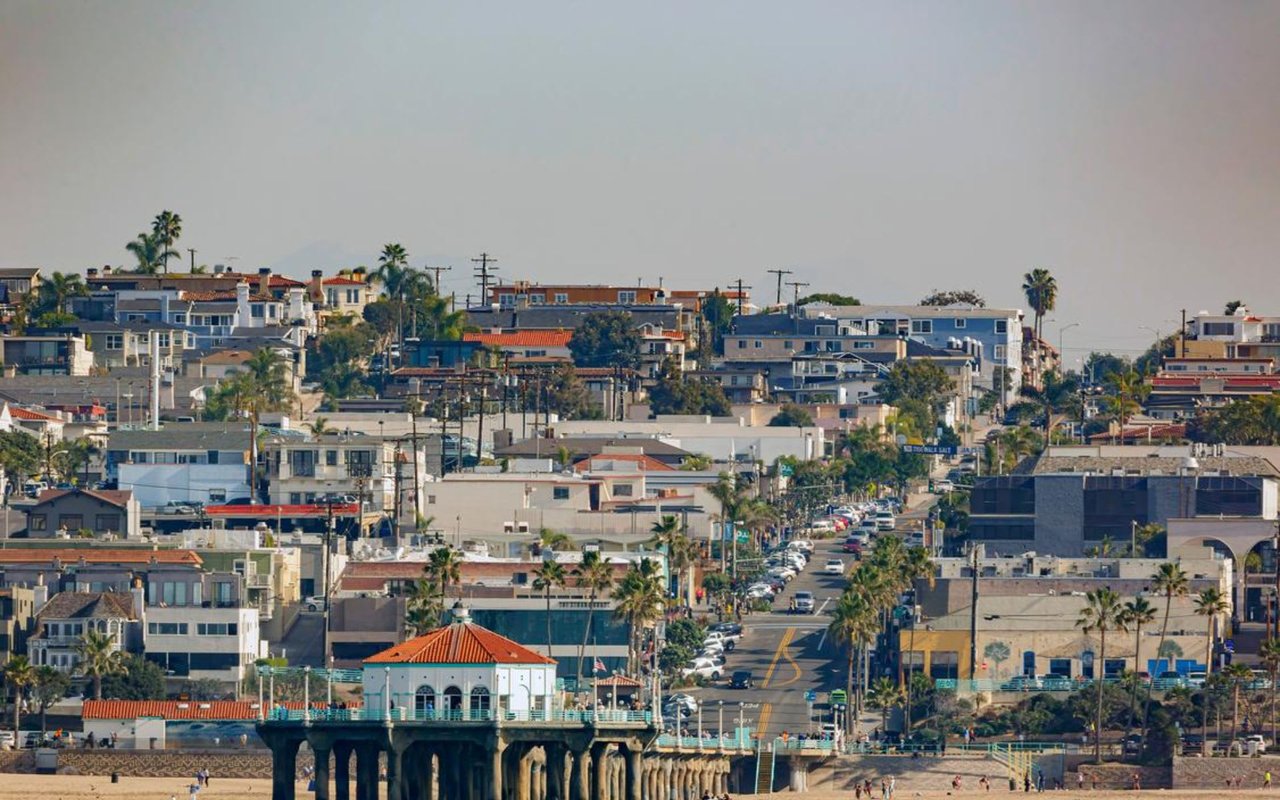
Walk down to Malaga Cove Plaza on a Saturday morning and the loop feels the same as it did last year, and the year before that. The Neptune fountain still anchors the courtyard. The market still has the rotisserie chickens people call ahead about. The arcade still shades the same handful of storefronts it has sheltered for decades. If you live in Malaga Cove or Valmonte and treat this plaza as your default errand run, nothing about the walk itself has changed.
What has changed is smaller than a new building and easy to miss if you are not looking for it: two storefronts turned over this year. That is it. Two. And in a plaza built the way this one was built, two counts as a busy stretch.
The two names worth knowing
Accardo Real Estate's account of the plaza's recent changes places both additions within a few doors of each other, tucked into corners a lot of first-time visitors walk past without noticing.
- Neptune's Frozen Treats, at 55 Malaga Cove Plaza, is a self-serve counter for frozen yogurt, custard, gelato, and sorbet, run by a mother-daughter team named Gemma and Katherine. The topping bar has been getting photographed since the soft opening.
- Yellow Vase, at 51 Malaga Cove Plaza, is a small café that regulars describe as closer to a European countryside stop than a chain coffee shop. It is easy to walk past on a first visit, which is part of the point. This is not a spot built for foot traffic off the street. It is built for people who already know it is there.
Neither business is trying to be a destination that pulls people off Palos Verdes Drive West. Both are built for the residents who already loop through the plaza on a Tuesday morning without thinking about it.
Twenty-nine years is the norm, not the exception
To understand why two openings register as news, look at what does not turn over.
Malaga Cove Ranch Market has operated in the same spot since 1997. Twenty-nine years. It runs a deli case, a wine bar, and a full menu of made-to-order meals alongside the daily rotisserie chickens that sell out often enough that regulars call ahead rather than assume one will be waiting. Residents do not really treat it as a business. It functions more like a shared kitchen for the neighborhood, the kind of place where nobody remembers a time before it was there.
Twenty-nine years in the same address is not the outlier at this plaza. It is close to the norm. That is the real backdrop against which this year's two openings should be read. It is not evidence the plaza is finally catching up with demand. It is evidence that when a spot here does become available, it tends to get filled by someone planning to stay a while, because staying a while is what everyone else at Malaga Cove Plaza has already done.
Why the plaza barely turns over
The reason has less to do with rent and more to do with how the plaza was built in the first place.
The plaza came together over 37 years, from 1924 to 1961, one building at a time, under design oversight from the Art Jury created for the original Palos Verdes Project, rather than as a single shopping-center project with one opening day.
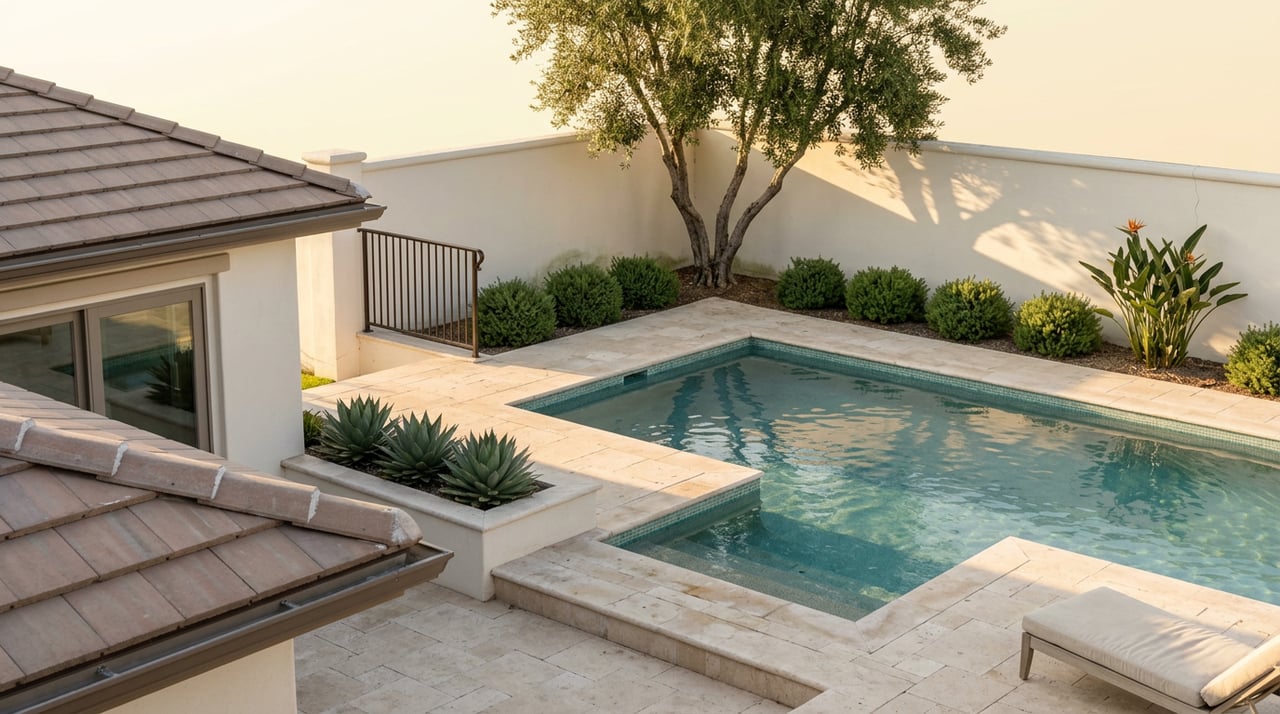
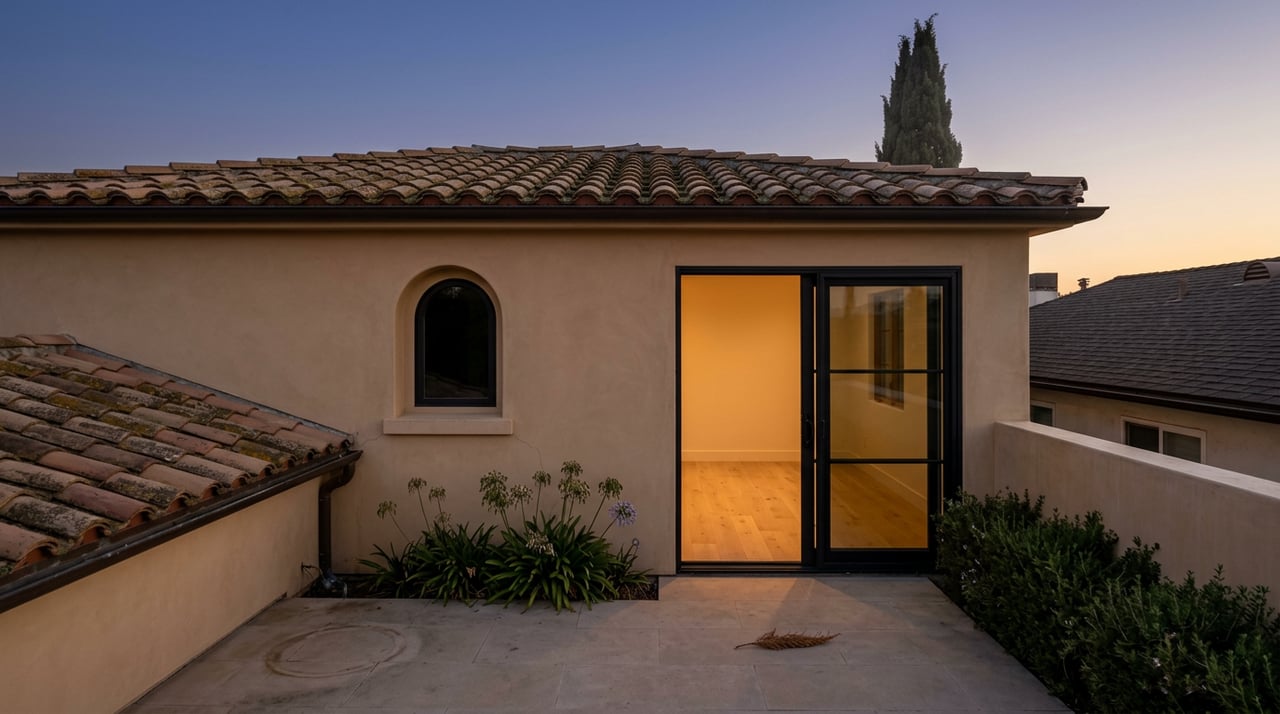
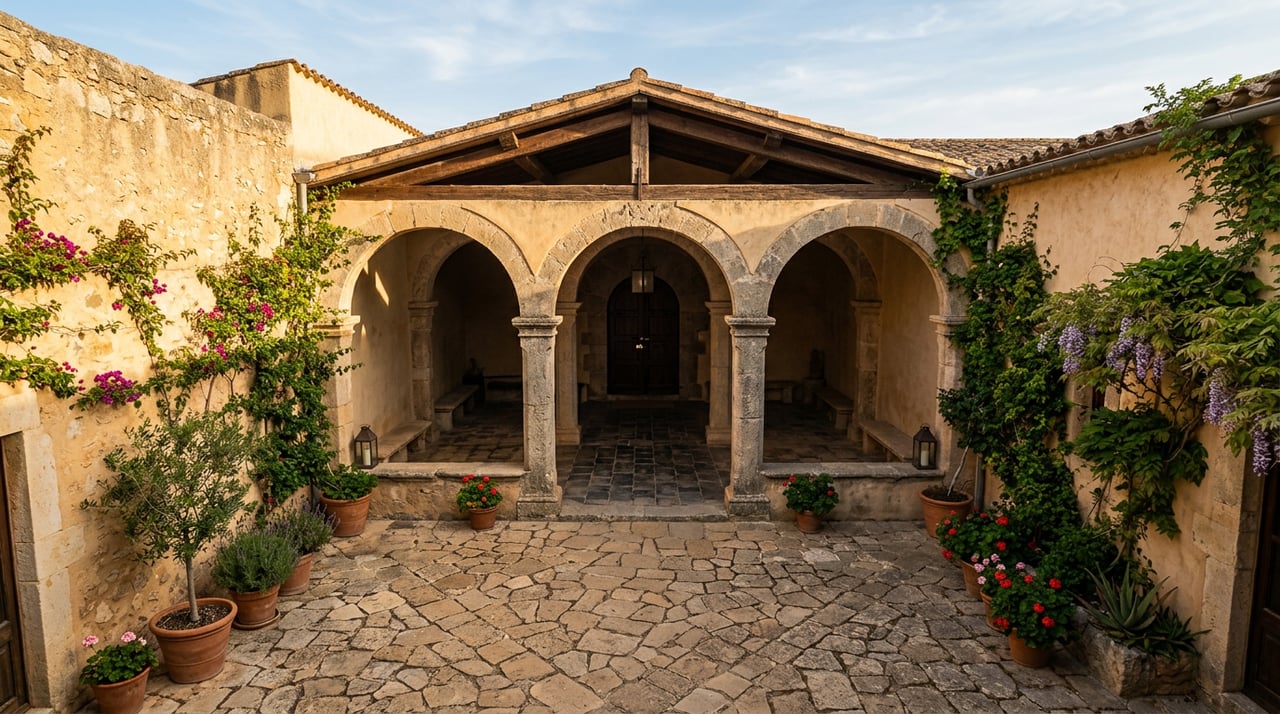
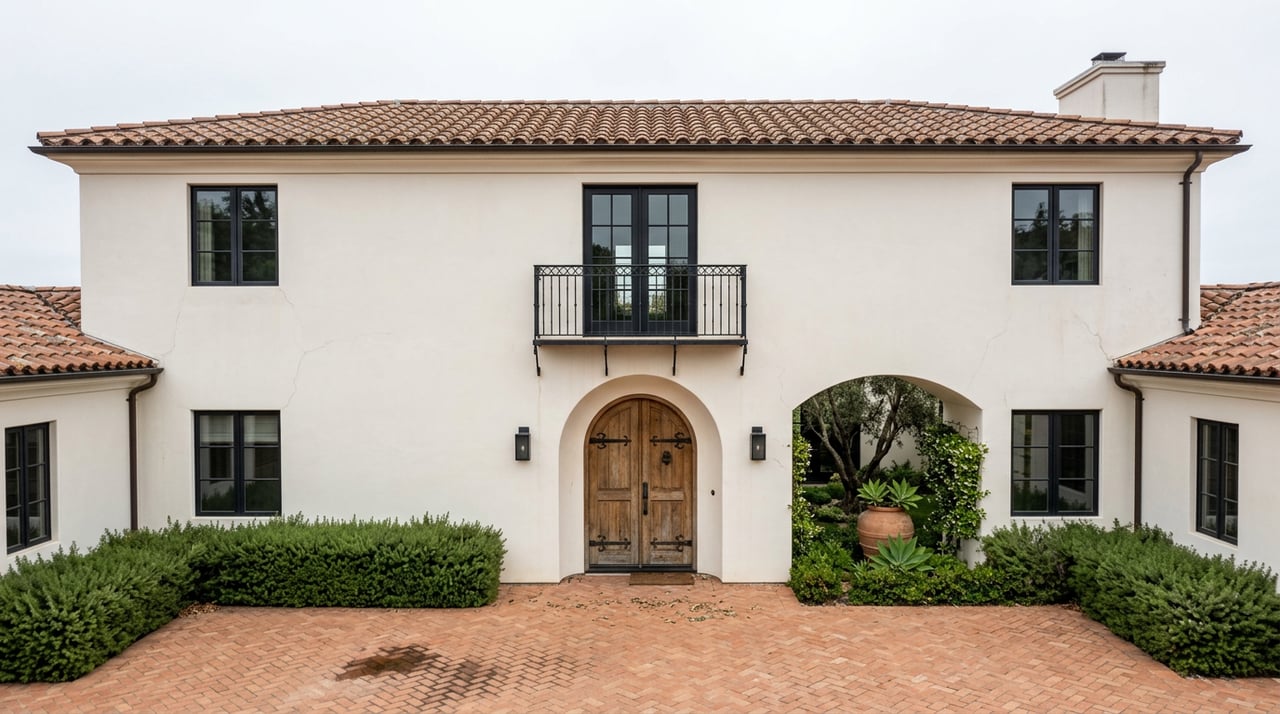
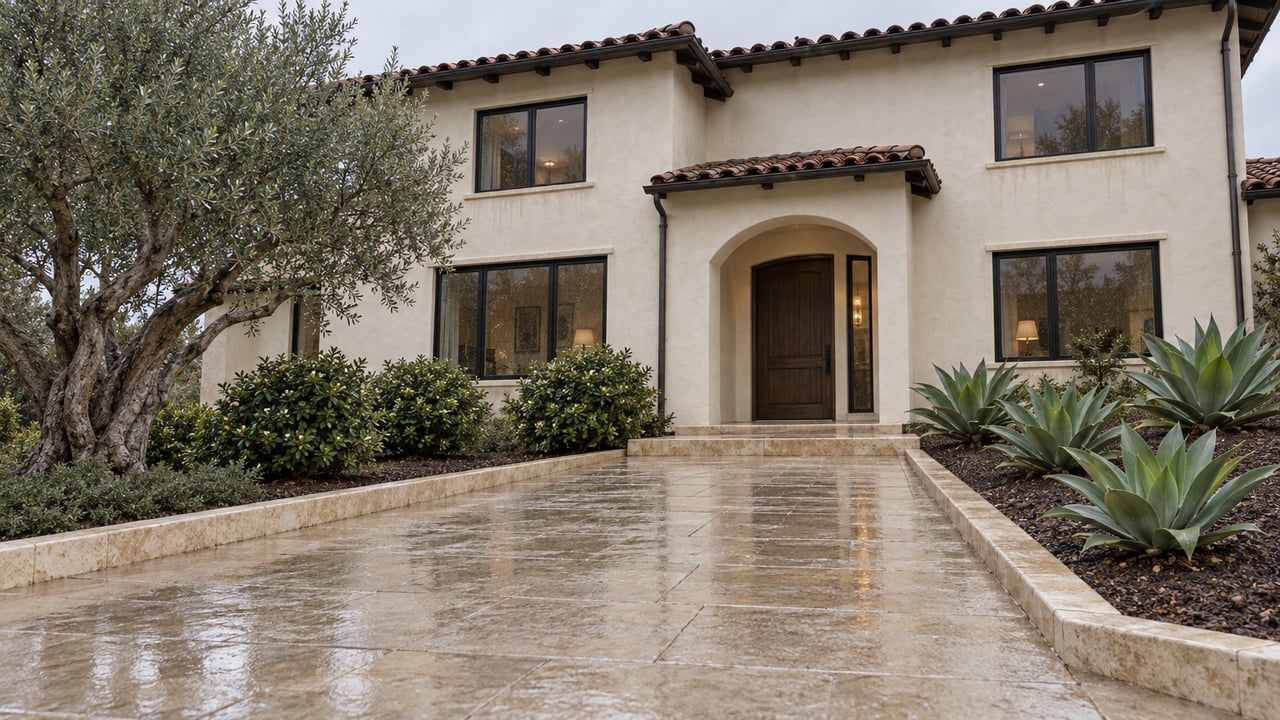
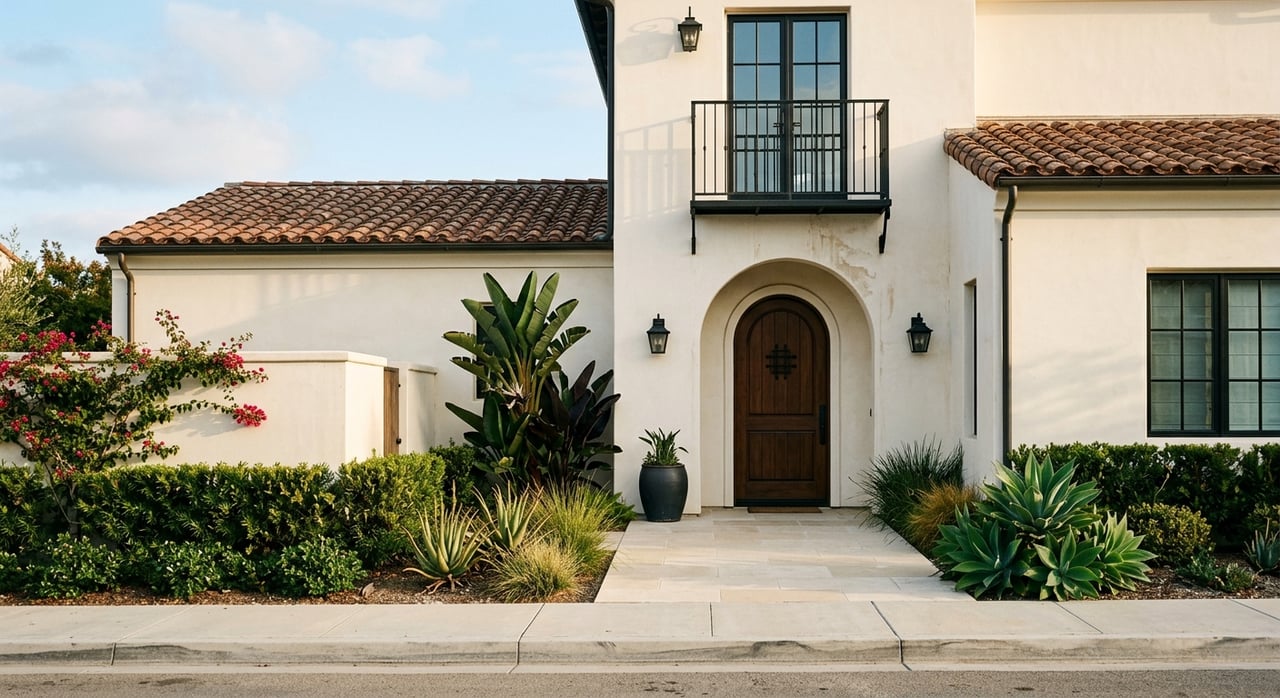
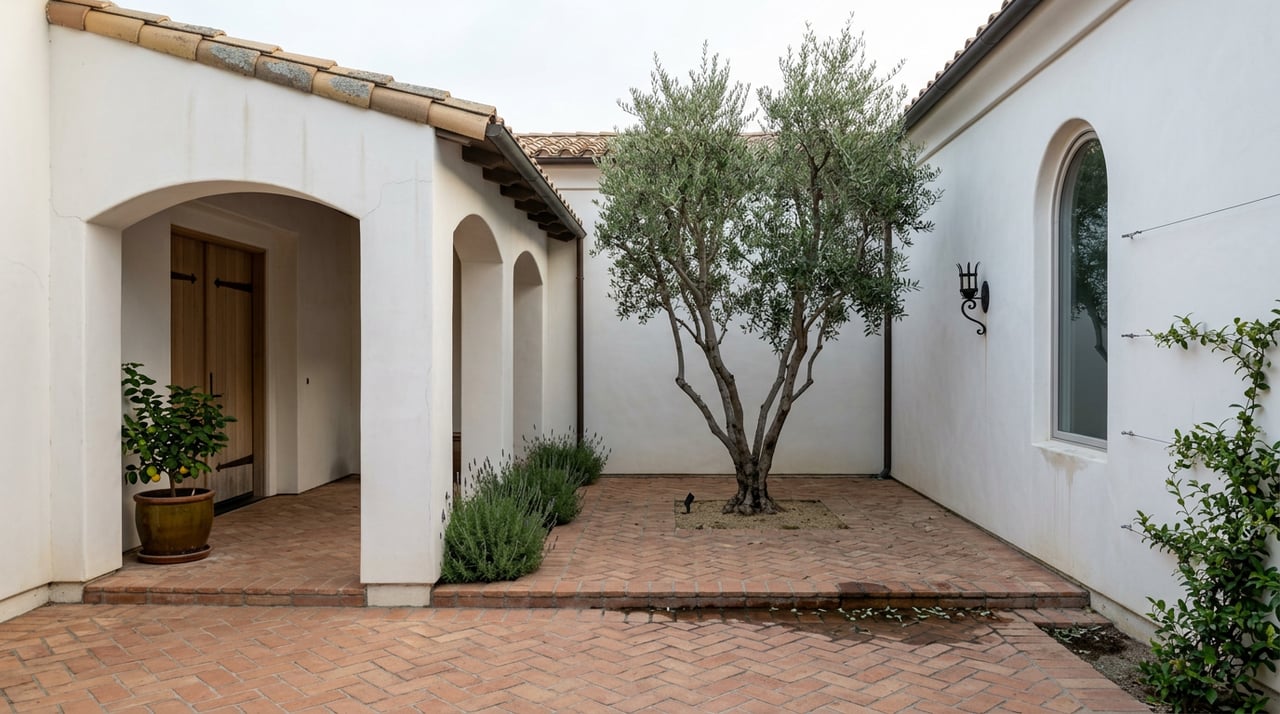
That design review structure did not end when the last building went up in 1961. A version of it still governs remodels and new construction across Palos Verdes Estates today. There was never a master developer trying to optimize turnover per square foot the way a modern retail landlord would. There was a review process, a fixed set of buildings, and very little appetite on anyone's part to change either one. You can see the pieces of that timeline in the plaza's own layout, where the earliest building, known historically as La Casa Primera, once housed the first Palos Verdes post office and still carries the plaster walls and terracotta roofline the Art Jury signed off on a century ago.
That history is why the plaza still reads more like a courtyard that happens to have shops in it than a shopping center. When a storefront changes hands here, it is an event, not a routine.
What this means if you already have the walk memorized
If you already treat Malaga Cove Plaza as your default stop, the practical takeaway is simple: pay attention to the small storefronts, not the anchor spots. The plaza's parking is a mix of a private lot and street spaces that fill up on busy weekends, which is a big part of why so many people from Malaga Cove and Valmonte walk or bike down instead of driving. That daily-use pattern is the plaza's actual identity. It is not competing for your Saturday the way a bigger retail center might. It is closer to a shared front yard, one that happens to include a market, a couple of restaurants, a fountain, and now two small new stops.
Two openings in a single year do not change that identity. They confirm it. The next addition is worth noticing the week it happens, not the month after, because there is a decent chance whoever moves in will still be there in 2050.
That kind of stability is not something every neighborhood commercial strip can claim, and it says something about the surrounding streets too. Property values in a place like Palos Verdes Estates are shaped by more than square footage and lot size. They are shaped by the fact that the neighborhood's daily-use hub has looked essentially the same for a century and shows no sign of changing that pattern. For an owner weighing whether a property here is being cared for the way the market expects, that kind of continuity in the surrounding commercial fabric is worth factoring in, even if it never shows up in a comp sheet.
If you own a property in Palos Verdes Estates and want a read on what that kind of neighborhood stability actually means for rental pricing or long-term positioning, Jambi Property Management has spent over a decade working this stretch of the coast and can walk you through it with a free rental analysis, no pressure attached.