Key Takeaways
Deciding whether to keep or sell a rental in the South Bay should rest on real numbers, including net operating income, equity, expected net sale proceeds and the tax consequences of selling.
In a high-value coastal market, a property can build significant equity while producing a modest return on that equity, which makes the opportunity cost of holding an important part of the analysis.
California tax and landlord-tenant rules are detailed and change, so verify current information and consult qualified professionals before you act.
Owning a rental property in Manhattan Beach or the surrounding South Bay can be a valuable long-term investment, but there may come a point when holding onto it no longer makes the most financial sense.
Years of appreciation can leave you with substantial equity, while ongoing expenses, maintenance, tenant responsibilities, and changing personal priorities can make selling an attractive alternative. The challenge is determining whether the income and future potential of your property justify keeping that capital tied up.
Before making a decision, it's important to look beyond the property's current rental income or estimated sale price. You need to consider cash flow, equity, opportunity costs, potential taxes, upcoming repairs, and your long-term financial goals.
Jambi Property Management works with rental owners throughout Manhattan Beach and the South Bay, where local market conditions can make these decisions particularly significant. This guide breaks down the key factors to consider when deciding whether to keep or sell your rental property.
CURIOUS WHAT YOUR RENTAL COULD EARN?
Measure What the Property Really Earns
Begin with the income. Add up a full year of rent collected, and subtract operating expenses such as property taxes, insurance, maintenance, vacancy and management fees. The result is net operating income. Subtract loan payments, if any, to see cash flow.

Then compare the income with the property's current value. In expensive markets, the ratio of net income to value can be small, even when the property has been a good investment because of appreciation. That does not make it a bad hold, but it means that most of the return is coming from growth in value, which is less certain and less liquid than income.
Weigh Equity and Opportunity Cost
Equity is the difference between what the property is worth and what you owe. The larger the equity, the more capital is tied up in one asset. Ask what return that capital is generating today, and what it could earn if redeployed elsewhere. The alternative might be another property, debt reduction, a business or diversified investments.
Be careful with comparisons. Alternatives carry their own risks and costs, and transaction costs and taxes reduce what you could invest. Still, many owners find it clarifying to see their equity as money that is working, and to ask whether it is working hard enough.
Understand the Tax Picture
Taxes can change the answer dramatically. Selling a rental may involve capital gains and the recapture of depreciation claimed over the years, and the amounts can be large after a long holding period. Some owners explore strategies that defer taxes when proceeds are reinvested in similar property, but those strategies have strict rules and deadlines.
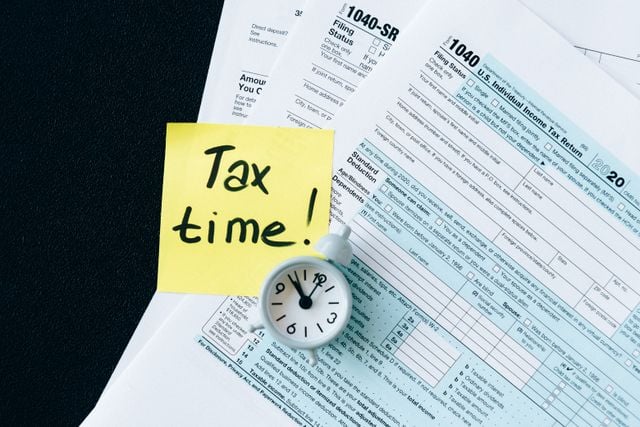
California's property tax rules also matter. Long-held properties may carry assessed values far below market value, which keeps holding costs lower for the owner, while a new buyer's costs would reflect today's value. Do not guess at the effects. Speak with a qualified tax professional before you list, and ask for estimates of different scenarios.
Ask in particular how long you have owned the property, how much depreciation you have claimed and how those facts affect the tax result. The answers can be very different for a property held for three years than for one held for thirty.
Consider Your Goals and Capacity
Your personal situation matters as much as the property. Think about how much time and energy you want to spend, whether you use a manager and how the property fits your long-term plan. A rental that suits you in one stage of life may feel heavy in another.
Talk with the people who would be affected by the decision, such as a spouse, partner or children who may inherit the property. Their goals and concerns belong in the conversation, and an early discussion prevents surprises later.
Do I need the equity for another purchase, a business or retirement?
Do I want to pass the property to family members?
Am I comfortable with the responsibilities and risks of being a landlord?
Would professional management change how I feel about keeping it?
How would selling or keeping affect my tax situation and my overall portfolio?
The Case for Keeping
Keeping a rental can make sense when it produces dependable income among other important rental KPIs (key performance indicators), when you expect long-term appreciation and when the property fits your plan.
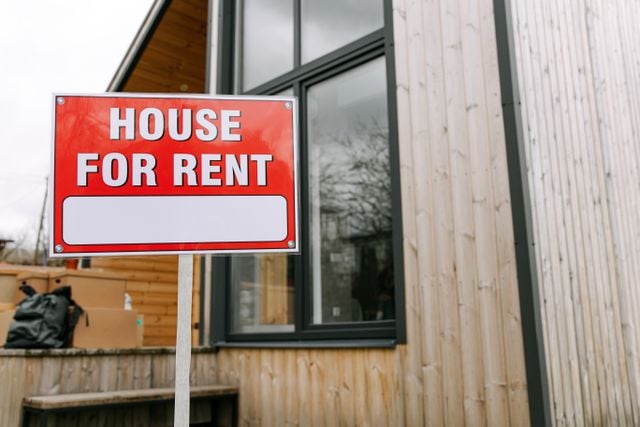
Holding avoids commissions, closing costs and the tax bill that a sale might trigger. In a desirable coastal community, scarcity can support long-term value, and favorable property tax treatment can make holding more attractive than it first appears.
Holding also keeps your options open. You can sell later, refinance, make improvements or use the property yourself. If the home is in good condition with reliable tenants and manageable costs, keeping it may be the simplest path.
The Case for Selling
Selling can make sense when the property no longer meets your goals. If returns are low relative to the equity, if major repairs are coming, if you want liquidity or if you want to simplify, selling may be wise. A sale also ends your exposure to vacancy, repair surprises and landlord liability.
To judge a sale fairly, calculate net proceeds rather than the headline price. Subtract your mortgage payoff, commissions, closing costs and repairs a buyer is likely to request, then subtract the estimated taxes. Compare that after-tax number with the value of keeping.
Check Condition and Capital Needs
Condition can tip the decision. Walk the property, and list upcoming needs such as the roof, heating and cooling, plumbing, windows and exterior. Coastal conditions can accelerate wear on certain components, so get estimates for the largest items. If major capital expenses are coming, ask whether the property will earn enough to justify them, or whether selling before you spend makes more sense.

If you decide to sell, consider whether improvements will increase net proceeds. Some projects pay for themselves, while others do not. A local real estate professional can tell you what buyers in your area expect.
Know Your Landlord Obligations
California has detailed landlord-tenant laws, including rules about security deposits, notices, habitability and tenant protections, and some properties are subject to state or local rent regulations. If you sell with tenants in place, the lease and the law shape the process. Verify current requirements, and consult a qualified attorney with questions.
If you keep the property, make sure your leases, notices and practices are current. Mistakes can be expensive, and rules have changed in recent years. An organized, compliant operation also makes the property more valuable to future buyers.
Working With a Property Manager
If the main burden is the work of being a landlord, professional management may change your answer. A manager can handle marketing, screening, rent collection, maintenance and compliance.
Jambi Property Management serves Manhattan Beach and nearby South Bay communities, including Torrance, Redondo Beach, El Segundo, Rancho Palos Verdes, Marina Del Rey and Long Beach. Ask any manager to put fees, services and guarantees in writing, and compare more than one option before you decide. Treat company-stated claims as points to confirm.
Common Mistakes to Avoid
Here are some common mistakes to avoid when deciding whether to rent or sell your property.

Deciding without calculating actual net operating income and cash flow.
Comparing the sale price with what you paid, ignoring costs and taxes.
Ignoring the opportunity cost of large equity.
Skipping tax advice before listing.
Keeping or selling for emotional reasons without a written comparison.
Bottom Line
Deciding whether to keep or sell a rental property comes down to understanding what the investment is delivering today and what it could offer in the future. Evaluate your net operating income, cash flow, available equity, potential sale proceeds, tax exposure, and upcoming capital expenses. Then weigh those numbers against your financial goals, investment alternatives, and willingness to continue managing the property.
If the biggest reason you're considering selling is the time and responsibility involved in being a landlord, there may be another option. Working with Jambi Property Management can help reduce the day-to-day demands of ownership while allowing you to retain your investment.
Find out how professional property management could make holding onto your South Bay rental more manageable.
GET IN TOUCH WITH OUR EXPERTS!
Frequently Asked Questions
How do I know whether I should keep or sell my rental property?
Start by comparing the property's current income with its market value and the equity you have built. Calculate net operating income, cash flow after mortgage payments, and the potential net proceeds from selling. Then consider taxes, upcoming repairs, your investment goals, and what you could do with the proceeds. The better option is the one that best supports your financial position and long-term plans.
Is it worth keeping a rental property with a lot of equity?
It can be. A property with substantial equity may continue generating rental income, appreciate over time, and provide a long-term asset for your portfolio. However, you should consider how much income that equity actually produces compared with alternative investments. If the return is modest and your capital could serve you better elsewhere, selling may be worth exploring.
What taxes should I consider when selling a rental property in California?
Selling a rental property may trigger capital gains taxes and depreciation recapture, depending on your ownership history, purchase price, improvements, and depreciation claimed. California property tax rules can also influence the financial benefits of holding a long-owned property. Because the tax consequences can be significant, consult a qualified tax professional before listing your rental or making plans for the proceeds.
Can I sell my rental property in Manhattan Beach with tenants still living there?
Selling a tenant-occupied property may be possible, but the existing lease and applicable California and local landlord-tenant laws can affect the process. Tenant protections, notice requirements, and other obligations may apply depending on the property and circumstances. Review your lease, verify current requirements, and consult a qualified real estate professional or attorney before proceeding.
Can hiring a property manager make keeping my rental property worthwhile?
Professional management may make holding a rental more appealing if the time and responsibility of being a landlord are your main concerns. A property manager can handle tasks such as marketing, tenant screening, rent collection, maintenance coordination, and compliance. Compare the management fees with the time and expenses you currently handle yourself to determine whether the arrangement makes financial sense.